
Finding the right dense shade grass seed can transform a backyard, courtyard, or tree-lined lawn into a lush, green space even with limited sun. The following selections are designed to establish durable, shade-tolerant lawns, offering deeper color and stronger root systems in low-light conditions. This guide compares five top dense shade blends, highlighting coverage, composition, and notable benefits to help you choose the best fit for your yard.
Summary of Selected Products
| Product | Brand | Approximate Coverage | Key Advantage |
|---|---|---|---|
| Pennington Smart Seed Dense Shade Grass Mix Bag 7 lb | Pennington | Noted on product packaging (7 lb bag) | Balanced Tall Fescue and Fine Fescue for shady conditions |
| Jonathan Green Black Beauty Dense Shade Grass Seed – 3 lb | Jonathan Green | 3 lb bag | Shade-tolerant mix for dark green, quick establishment |
| Jonathan Green 40600 Dense Shade Grass Seed, 3 lb | Jonathan Green | 3 lb bag | Dense shade performance with 1,800 sq ft coverage (implied) |
| Scotts Turf Builder Grass Seed Dense Shade Mix with Fertilizer and Soil Improver, 5.6 lbs | Scotts | 5.6 lbs | Root-building nutrition for strong, deep roots |
| Barenbrug 25627 Turf Sense Dense Shade Grass Seed, 25 LB Bag | Barenbrug | 25 lb bag | Excellent wear tolerance in dense shade |
Pennington Smart Seed Dense Shade Grass Mix
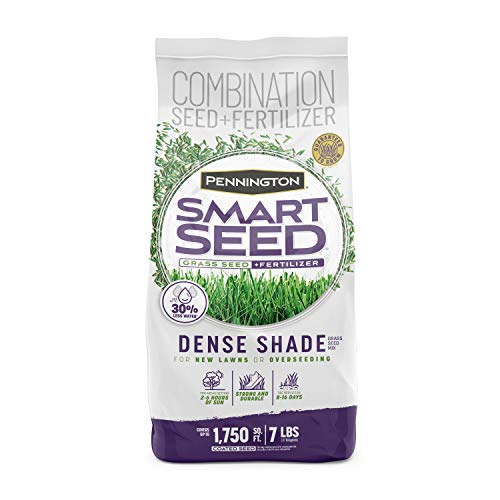
The Pennington Smart Seed Dense Shade blend combines Tall Fescue and Fine Fescue to thrive where sunlight is scarce. It is designed to grow thick, green grass in areas that receive limited sun and includes a measured amount of fertilizer to support establishment. This mix aims for a robust, low-maintenance lawn with improved shade tolerance and deep root structure, helping reduce the risk of bare patches under trees and near structures.
Jonathan Green Black Beauty Dense Shade Seed

Jonathan Green Black Beauty Dense Shade is a cool-season lawn seed designed for shade-prone areas. The blend emphasizes shade tolerance to thrive under trees or near structures while delivering a dark green lawn. Germination typically occurs within 14 to 21 days, and the mixture includes endophytes that can contribute to improved turf vigor and resilience in low-light environments.
Jonathan Green 40600 Dense Shade Grass Seed

This 3-pound bag from Jonathan Green focuses on dense shade performance, offering coverage for up to about 1,800 square feet. The seed blend is designed to establish quickly and generate a dense, uniform lawn in shaded areas, leveraging a mix that tolerates lower light levels and helps create a visually appealing turf even in challenging spots.
Scotts Turf Builder Dense Shade Mix

The Scotts Dense Shade Mix is designed to grow with as little as 3 hours of sunlight and includes Root-Building Nutrition to reinforce deep roots. It is positioned for both full sun and dense shade, making it a versatile choice for lawns that experience variable light. The package suggests using it for new seedings or overseeding existing turf, making it adaptable for seasonal lawn renovation.
Barenbrug Turf Sense Dense Shade Seed

Barenbrug Turf Sense Dense Shade Seed is a 25-pound bag aimed at shady zones where sunlight is limited. It emphasizes tolerance to dense shade while maintaining a lush, dense texture with excellent wear tolerance. This blend is suitable for larger areas or for overseeding thin regions that struggle in shade, delivering a robust, enduring lawn with sustained color.
Buying Guide: Dense Shade Grass Seed Considerations
- Shade tolerance profile: Not all seeds tolerate shade equally. Look for blends that specifically mention dense shade, deep shade, or shade tolerance to ensure better performance under trees, near buildings, or under overhangs.
- Grass types and diversity: Blends often combine tall fescues, fine fescues, and perennial rye. Tall fescue provides durability and drought resistance; fine fescues offer finer texture and shade tolerance. A mix with a balance tends to perform best in variable shade.
- Germination and establishment: Seed varieties that germinate within 7–21 days help reduce weed establishment and establish a dense turf more quickly. Endophyte presence can support disease resistance and vigor in low light.
- Fertilizer and soil amendments: Some seed blends include starter fertilizer or soil-improving components. Consider whether you need a separate fertilization plan or a combined seed-and-fertilizer product for convenience and rapid establishment.
- Coverage and patch size: Check bag weight relative to lawn area. Larger bags can be more cost-effective for big shade zones, while smaller bags are suitable for patch repairs or small shaded patches.
- Maintenance needs: Shade lawns often require less mowing height variation, but consistency in watering and overseeding schedules helps maintain density. Consider your irrigation and sunlight patterns when planning reseeding.
- Climate compatibility: Choose blends developed for temperate climates common in the United States. Local climate can affect germination speed and color development.
- Wear tolerance and texture: Dense shade lawns still endure foot traffic and weather. A finer texture may look lush but could require more precise mowing; a coarser texture may be more forgiving in high-traffic areas.
- Environmental impact: Endophyte-enhanced seeds may offer resilience against pests and stress. Consider blends with sustainable formulations for long-term lawn health.