
Choosing the right soil is essential for thriving raised-bed vegetable gardens. The following selections mix organic nutrients, moisture retention, and good drainage to create a foundation for robust root growth. Each option below is tailored for raised beds or containers, with ingredients designed to support vegetables and herbs from seed to harvest. This guide highlights five top soil mixes, summarizes their core benefits, and offers practical guidance for selecting the best match for your garden space.
| Product | Brand | Key Benefit | Ideal For |
|---|---|---|---|
| Espoma Organic Raised Bed Mix | Espoma | Organic blend with earthworm castings and mycorrhizae | Raised beds and outdoor containers |
| Burpee Premium Potting Mix | Burpee | All-natural mix with coconut coir for moisture and early growth | Containers and raised beds |
| Miracle-Gro Organic Raised Bed & Garden Soil | Miracle-Gro | Organic blend with quick-release natural fertilizer | Raised beds and in-ground gardening |
| Organic Plant Magic Compressed Potting Soil | Organic Plant Magic | Compressed soil that expands and feeds aggressively | Containers, raised beds, seed starting |
| Coast of Maine Organic Planting Soil | Coast of Maine | Composted manure and sphagnum peat for balanced drainage and moisture | Vegetables in beds and containers |
Espoma Raised Bed Mix

Espoma Organic Raised Bed Mix is designed specifically for raised garden beds and outdoor containers. It blends natural and organic ingredients with earthworm castings, alfalfa meal, kelp meal, and feather meal to supply nutrients gradually. A proprietary MYCO-TONE blend of endo and ecto mycorrhizae supports root growth and nutrient uptake, promoting robust plant development from transplanting through harvest. This mix is ready to use in raised beds and can help improve soil structure and moisture retention without synthetic additives.
Burpee Premium Organic Potting Mix

Burpee Organic Premium Potting Mix combines plant food and coconut coir to promote seed and root growth for vegetables, flowers, and herbs. It is OMRI-listed for organic use and designed for containers, raised beds, and in-ground applications. The mix feeds plants immediately and provides a slow-release nutrient boost for up to three months, while coconut coir helps retain moisture to support plants between waterings. This product suits gardeners seeking a versatile, container-ready soil option.
Michigan Peat Compost & Manure Garden Mix

Garden Magic Mix combines compost with manure to enrich soil with nutrients and minerals. Packaged as an odor-free blend, this ready-to-use mixture supports soil vitality for lawns, raised beds, and containers. It is designed to promote healthy growth for flowers, vegetables, and grass, making it a practical option for general soil enhancement and garden bed preparation alike.
Miracle-Gro Organic Raised Bed & Garden Soil
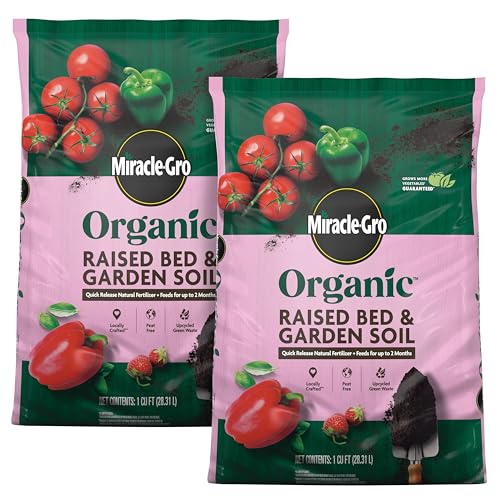
Miracle-Gro Organic Raised Bed & Garden Soil is a peat-free blend featuring quick-release natural fertilizer. It feeds plants for up to two months and is constructed from upcycled green waste. This soil is tailored for raised beds and containers, providing a balanced nutrient profile and reliable performance for a variety of vegetables and herbs while avoiding peat in the mix.
Organic Plant Magic Compressed Potting Soil

Organic Plant Magic offers a compressed potting soil that expands up to four times when mixed with water, yielding up to about three gallons of soil. This easy-to-use product is designed for containers, raised beds, and gardens, providing a nutrient-dense base with 55+ trace minerals. It wets quickly, stays moist longer, and supports fast root development for seeds, starts, and transplants.
Coast of Maine Organic Planting Soil

Coast of Maine Organic Planting Soil blends composted manure and sphagnum peat moss to create a lightweight, balanced soil suitable for tomatoes, vegetables, and multi-use containers. It emphasizes enhanced drainage while retaining adequate moisture, making it versatile for transplanting, seeding, and topping off garden beds. The blend is designed for both in-ground and container gardening, with a focus on reliable performance in varied environments.
Buying Guide: Key Purchase Considerations
When selecting soil for raised vegetable gardens, consider the following factors to align with your needs and climate:
- Nutrient profile: Look for organic matter (compost, manure, kelp, bone meal) and a balanced fertilizer component. Avoid soil mixes with synthetic slow-release fertilizers if you prefer a fully organic approach.
- Moisture management: Raised beds benefit from blends that retain moisture without becoming waterlogged. Coconut coir, peat alternatives, and well-draining components help maintain even moisture.
- Drainage and aeration: Ensure the mix provides good drainage to prevent root rot while allowing air to reach roots. Perlite or sand can aid drainage in some blends.
- Mycorrhizal benefits: Products containing mycorrhizae can improve root exploration and nutrient uptake, especially for transplanting young plants.
- PEAT content: If you want peat-free formulations, verify the product specifies peat-free or uses alternative organic materials, such as compost or coconut coir.
- Containment and usage: For containers or raised beds, ensure the mix is labeled suitable for containers or raised-bed gardening for optimal results.
- Compatibility with crops: Some blends emphasize rapid nutrient release, which can benefit fast-growing vegetables, while others favor slower release for sustained feeding over weeks.
- Organic certification: If organic gardening is a priority, check OMRI listing and product labeling to confirm organic status and suitability for organic systems.
The selections above provide varied approaches to raised-bed soils, from lean, ready-to-use blends to richer organic mixes. Gardeners should consider their local climate, the crops planned, and whether they intend to use containers or direct-in-bed plantings. A layered approach—using a nutrient-rich base mix with a top-dressing of compost or mulch—can further optimize soil structure, moisture, and microbial activity for a thriving vegetable garden.