
Answering the need to harvest rainwater efficiently: these downspout diverters connect standard 2×3 or oversize 3×4 downspouts to a rain barrel, directing the majority of rooftop runoff into storage. They’re best for homeowners building a simple, low-maintenance irrigation system, urban gardens, or anyone wanting to reduce outdoor water use. The top picks below suit different setups, from flexible placement to built-in filtration. For quick reference, here is a compact comparison of the five products featured:
| Product | Downspout Fit | Valve Type | Best For |
|---|---|---|---|
| Downspout Diverter (4 ft Hose) – Prestantious | 3″x4″ oversize; 2″x3″ standard | Adjustable Switch Valve (Off/Medium/High) | Better for larger downspouts and quick fill |
| Downspout Diverter 2″x3″ – Prestantious | 2″x3″ standard | Adjustable Switch Valve | Compact, easy retrofit for small setups |
| Rain Barrel Diverter Kit – Tintsabo | 2″x3″ or 3″x4″ | Noted flow control via upgraded channel design | All-in-one with filtration and PVC spigot |
Note: the table highlights fit, control, and typical use to help you compare at a glance. Each option is designed to maximize rain capture while keeping installation straightforward for American households.
Downspout Diverter for Oversize and Standard Downspouts

Best for homeowners with mixed downspout sizes, this Prestantious model diverts up to 85%+ of rainwater into a rain barrel using an adjustable valve. The dual-fit design works with 3″x4″ oversize and 2″x3″ standard downspouts, making it versatile for most homes. It’s suited for gardeners who want fast collection to fill a rain barrel and minimize runoff during heavy storms. Caution: the product relies on a compatible barrel system and may require hose routing adjustments for tight spaces.
Prestantious Gutter Downspout Diverter (2″x3″ Standard)

Best for compact setups with standard 2×3 downspouts, this diverter prioritizes high collection efficiency with an adjustable valve. It’s ideal for small gardens or patios where space is limited but you still want to capture rooftop runoff. Benefit: more than 85% collection toward the rain barrel. Caution: performance depends on downspout alignment and barrel placement.
Rain Barrel Diverter Kit – Tintsabo

Best for those seeking an all-in-one solution, this diverter supports 2×3 or 3×4 downspouts with optional filtration and a PVC spigot. It emphasizes debris filtering to improve water cleanliness and reduce clogs. Choose this if you want filtering integrated into a straightforward kit. Caution: some users may want a separate filtration system for extremely debris-laden roofs.
Anivia Rainwater Collection System (2×3 or 3×4)

Best for versatile installations with adjustable flow, this diverter adapts to both 2×3 and 3×4 downspouts and includes a 39″ hose. It’s well-suited for gardens needing flexible water control and a straightforward path from roof to barrel. Caution: length of hose may require additional fittings for distant barrels.
Prestantious Diverter With Built-in Filter

Best for homeowners who want a filtration-ready solution, this model fits 2″x3″ and 3″x4″ downspouts and includes a built-in filter screen to keep debris out of the barrel. The 4-foot hose aids flexible placement. Use this if you prioritize cleaner water and easier maintenance. Caution: ensure the filter screen is cleaned regularly to maintain flow.
WADEO Upgraded Rain Barrel Diverter Kit
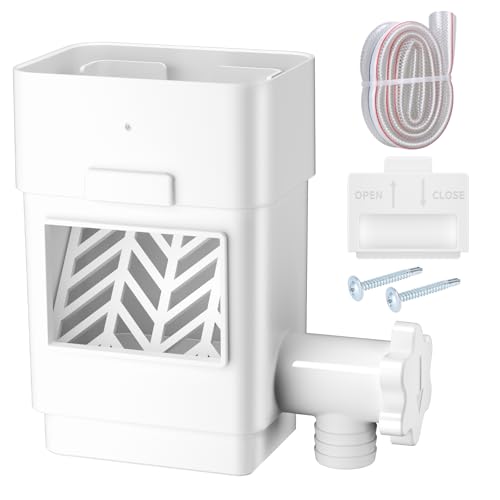
Best for homeowners wanting higher capacity and durability, this kit features a deepened collection chamber and a reinforced hose. It is designed to capture more water quickly and direct it efficiently into the barrel. Choose this if you need a set-and-forget option with robust materials. Caution: larger capacity may require a longer hose routing in tight spaces.
Buying Guide: Key Considerations For Choosing A Rain Barrel Diverter
- Downspout compatibility: Verify whether your home has 2″x3″ standard or 3″x4″ oversize downspouts to select a model that fits without adapters.
- Water collection efficiency: Look for devices that direct a high percentage of roof runoff into the barrel, typically 80%–85% or more.
- Ventilation and filtration: Consider debris filtering options to keep sediment out of the barrel and spigot. Built-in filters reduce maintenance.
- Hose length and placement: Ensure the included hose reaches your rain barrel location. Longer hoses offer more placement flexibility but may be subject to kinking if not rigid.
- Valve control: Adjustable valves (Off/Medium/High) help regulate capture depending on rainfall and your immediate water needs.
- Material durability: PVC, ABS, and weather-resistant plastics withstand outdoor exposure and UV light; check for long-term reliability in your climate.
- Ease of installation: Kits that come with mounting hardware, drill bits, and simple instructions save time and reduce the need for tools.
Frequently Asked Questions
- What is the primary purpose of a rain barrel diverter?
Answer: To redirect rooftop runoff into a rain barrel for garden irrigation and water conservation. - Can these diverters be used with metal gutters?
Answer: Yes, most are designed to fit standard downspout sizes regardless of gutter material, but verify the fit for your specific system. - Do all diverters include a hose?
Answer: Some include a hose; others provide a hose option, so check the product details before purchasing. - How much water can I expect to collect from a typical downspout?
Answer: Collection depends on rainfall and barrel capacity, but high-efficiency designs aim to direct a majority of rain into the barrel. - Are built-in filters necessary?
Answer: They help remove debris and can reduce clogs, but regular cleaning of the filter is still recommended. - Is professional installation required?
Answer: Most residential setups are DIY-friendly with basic tools and clear instructions.