
Answering the need for reliable, easy-to-use flood barriers, these sand bags are designed to shield homes, businesses, and outdoor areas from hurricane-driven flooding. The best options here balance durability, UV resistance, and practical features like built-in tie strings. They’re ideal for homeowners, contractors, and emergency-preparedness kits. The top five picks below emphasize heavyweight polypropylene construction, simple filling, and long-lasting performance in direct sun.
Quick comparison at a glance:
| Product | Size | Capacity | Best For | Notes |
|---|---|---|---|---|
| DURASACK Green Pack | 14×26 in | 50 lbs | Everyday flood barriers | UV-treated for sun exposure |
| DURASACK White Pack | 14×26 in | 50 lbs | Ready-to-use emergency kits | UV-treated; built-in ties |
| ASKIZ Black 100 Bags | 16×25.5 in | 50 lbs | Longer campaigns or larger barriers | UV protection up to 1600 hours |
| ASKIZ Black 50 Bags | 16×25.5 in | 50 lbs | Smaller projects or quick deployments | Built-in ties |
| MAQIHAN 7PCS | Not specified | Unknown | Versatile storage and flood barriers | Sturdy weave for multiple uses |
DURASACK Green Heavy Duty Sand Bags — 14×26, 50 lbs, Pack of 10

The DURASACK green sand bags are built from woven polypropylene designed to withstand sun and rain. They include built-in tie strings for quick closure and form building blocks for flood barriers or quick dams. They’re described as UV-inhibited to endure prolonged sun exposure, making them suitable for year-round preparedness. They’re best for homeowners establishing a temporary barrier around doorways, garages, or driveways during storms.
Who this is best for: homeowners or small-business owners needing durable, ready-to-fill bags with an easy tie system. Why selected: strong UV-treated material and a compact 50 lb capacity enable fast, reliable barrier assembly. Caution: performance depends on proper placement and stacking; use with dry, evenly filled bags for the most stable dam.
DURASACK White Heavy Duty Sand Bags — 14×26, 50 lbs, Pack of 20

This white bag option doubles the quantity, making it ideal for larger flood barriers or longer perimeters. The same UV-treated polypropylene and 50 lb capacity apply, with built-in tie strings to secure fill. It’s best for seasonal hazard kits or multi-bag setups where a larger stretch of barrier is needed. It’s a practical choice when you anticipate repeated use over time and want more bags ready at once.
Who this is best for: larger properties or groups coordinating multiple barrier lines. Why selected: quantity helps with longer line barriers and perimeter protection, while maintaining the same durability. Caution: heavier bag count means more storage space is required when not in use.
ASKIZ UV-Protected Sand Bags — 16×25.5, Black, 100 Bags
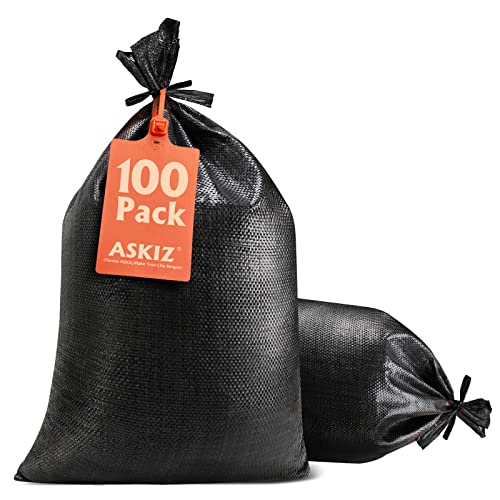
The ASKIZ sand bags emphasize UV resistance with up to 1600 hours of sun protection, making them a durable option for hurricane season. The 16×25.5 inch size and 50 lb load make them versatile for flood barriers, driveways, and temporary walls. They ship in a large quantity for extensive barrier projects or community-wide preparedness. Best for: long-duration deployments or larger defense lines. Caution: ensure you have the right number of bags for the project to avoid gaps in the barrier.
ASKIZ Heavy Duty Sand Bags — 16×25.5, 50 Bags

This set mirrors the durability focus of ASKIZ with built-in tie strings for controlled deployment. The 16×25.5 inch, 50 lb capacity design is suited for go-to flood protection and quick dam construction. It’s better for users who need a balanced mix of size, load, and ease of use. Caution: avoid stacking too high without stable support to prevent bag slippage in heavy flow scenarios.
MAQIHAN Empty Sand Bags — 7 Pack

MAQIHAN offers a compact set of seven heavy-duty bags suitable for smaller projects or first-line barrier work. The woven polypropylene construction promises durability for barrier creation around entrances or driveways and can double as storage bags for dry goods when not used for flooding. Best for: small properties or quick, portable barrier needs. Caution: seven bags may not be enough for larger perimeters; plan accordingly for bigger sites.
Buying Guide: Key Considerations For Sand Bag Purchases
- Material and UV resistance: Look for woven polypropylene with UV inhibitors to withstand sun exposure during extended outdoor use.
- Size and capacity: Common sizes are around 14×26 inches (50 lbs) or 16×25.5 inches (50 lbs). Choose based on barrier length and anticipated water depth.
- Tie strings: Bags with built-in ties simplify closure and stacking, improving barrier integrity.
- Quantity: For larger properties or high-risk zones, consider packs that provide ample bags for continuous barrier lines without gaps.
- Durability and tear resistance: Heavier bags reduce tearing when filled with sand or gravel and resist punctures during deployment.
- Storage and handling: Consider how much space the bag quantity will require when not in use and whether the bags are easy to transport to the site.
Common Questions About Hurricane Sand Bags
- What size sand bags should I buy for a door-level flood barrier? ANSWER: 14×26 inch or 16×25.5 inch bags with 50 lb capacity are common for door-level barriers, but match to your door width and expected water depth.
- Are UV-protected bags worth it for hurricane season? ANSWER: Yes. UV protection extends bag life when bags are exposed to sun between uses and during prolonged outdoor deployment.
- Should I buy a larger quantity than I currently need? ANSWER: If you anticipate multiple flood events or long barrier lines, a larger pack reduces repeated orders and ensures you have enough bags without gaps.
- Can sand bags be used for purposes other than flood barriers? ANSWER: Yes. They can help with weight anchoring, material storage, and temporary containment on job sites when not used for flooding.
- How do I store sand bags to maximize life? ANSWER: Store in a cool, dry place away from direct sunlight whenever possible; keep them sealed to prevent contamination or moisture damage between uses.
- What is the best practice for placing sand bags? ANSWER: Create a continuous barrier with tight, overlapping layers; avoid gaps, and anchor bags with ties to prevent movement during high winds or currents.
Note: This article presents product options based on features described by the manufacturers. No warranties, certifications, or ratings are cited here. Always follow local building codes and emergency guidelines when preparing flood barriers.