
Finding the right pond filter media starts with understanding how different foams and pads trap debris, improve water flow, and extend filter life. This guide focuses on cut-to-fit sponge and pad materials designed for koi ponds, aquariums, and outdoor water gardens. It highlights top options for various pond sizes and filtration setups, helping buyers choose materials that balance cleaning power with long-term durability. Each pick targets common pond needs: large debris capture, fine particle filtration, easy customization, and reuse where possible.
Buyer note: the top products below are ideal for hobbyists building or upgrading pond filtration systems. Best for beginners often includes standardized, easy-cut pads; better for seasoned setups includes durable, reusable rolls; choose this if you need bulk options for ongoing maintenance. The quick comparison table after the intro helps visualize key traits at a glance.
| Product | Best For | Why It Stands Out | Cut-to-Fit Ability |
|---|---|---|---|
| ALEGI Aquarium Sponge Filter Pad | Small to medium ponds | High-density foam delivers strong mechanical filtration and easy customization | Yes |
| Koral Filters Roll | Large ponds, koi ponds | Durable roll format for bulk sizing and reuse | Yes |
| UBeesize Filter Media Floss | Outdoor ponds and mixed setups | No dye, reusable, high flow permeability | Yes |
| Aquatic Experts Cream Coarse Pad | KOI ponds needing extra flow | Thick, coarse pad for strong turnover without clogging | Yes |
| HAVANSIDY Replacement Pads (Coarse & Fine) | Versatile, budget-conscious setups | Two-pads in one set for coarse and fine filtration | Yes |
ALEGI Aquarium Sponge Filter Pad

Best for: small to medium hobby ponds with compact filtration setups. The 20″ x 20″ x 1″ pad is designed for easy cutting to fit various skimmer or filter boxes. The foam’s high density supports strong mechanical filtration, catching suspended particles and waste to maintain clear water. It’s made from durable sponge material that resists deformation and dissolution, extending filter life. Installation is straightforward, with simple trimming to size.
Why selected: its combination of efficient filtration and long-lasting material makes it a reliable all-around choice for budget-friendly pond systems. The cut-to-fit feature helps tailor the pad to non-standard filter boxes, reducing dead zones where debris can accumulate.
Caution: if your pump generates very high flow, monitor for potential channeling through the foam and consider pairing with an additional polishing pad for fine particles.
Koral Filters Koi Pond and Aquarium Filter Media Roll
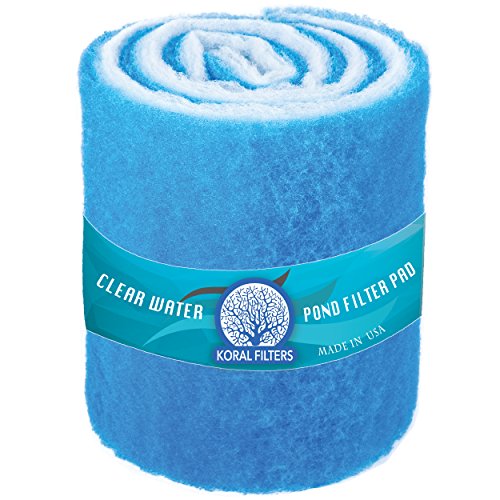
Best for: larger ponds or multi-tank setups where you want to bulk-cut filter media for custom-fit filtration. The blue bonded and dye-free roll is designed for both freshwater and saltwater environments, delivering strong mechanical filtration while staying visually clean in ornamental ponds. The roll format enables precise sizing for pond filters, waterfalls, or aquaponics systems, offering substantial cost savings when purchased in bulk.
Why selected: its durability and reuse-friendly design make it a practical long-term option. The ability to cut to fit reduces waste and helps maintain consistent filtration performance across different pond configurations.
Caution: ensure compatibility with your exact filter model; some roll materials may require specific stitching or backing to seal edges in your system.
UBeesize Aquarium Filter Media Floss

Best for: outdoor ponds and mixed indoor setups where dye-free, reusable media is preferred. The floss is made from 100% non-woven polyester fiber, offering dye-free filtration suitable for all aquatic environments. Its high permeability maintains good water flow, preventing stagnation while capturing fine debris. The material is designed for reuse without warping, providing reliable long-term performance.
Why selected: the no-dye, strong water permeability makes this a safe choice for sensitive aquatic life and for users who rotate media for routine cleaning. The flossing action supports a gentle yet effective filtration process.
Caution: while highly effective, check that your filter housing accommodates the thickness and density of the floss to avoid flow restriction in tight spaces.
Aquatic Experts Cream Coarse Pond Filter Pad

Best for: koi ponds requiring strong mechanical filtration with high water turnover. This 2-inch thick cream pad offers robust filtration without sacrificing water flow. Its bulk roll format and cut-to-fit design help users tailor sizing for various pond filters and skimmers, making it easy to replace worn sections in larger setups.
Why selected: the thicker pad provides extra filtration capacity and improved oxygenation when used with high-flow systems. It pairs well with fine pads for a layered filtration approach.
Caution: thicker pads may require more frequent maintenance checks to prevent clogging in heavily loaded ponds; pair with a routine cleaning schedule.
Retisee Replacement Pond Filter Pads

Best for: versatile ponds that use 52231 or 52229 filter boxes with a need for both coarse and fine filtration in one package. The two-pads-per-set design allows efficient debris capture at different particle sizes and reduces maintenance frequency by extending filter life between cleanings.
Why selected: the included coarse and fine pads address a wide range of debris, from large leaves to fine particulates. The compact size makes replacement straightforward in existing boxes while maintaining effective filtration.
Caution: verify exact model compatibility before purchase to ensure proper fit and seal within your filter housing.
Buying Guide: Practical Tips For Selecting Pond Filter Media
- What should I consider first? Start with pond size, flow rate, and whether you need coarse debris capture or fine particle filtration. A layered approach—coarse pads to trap large debris, followed by finer media—often yields the best results.
- How important is cut-to-fit capability? Very. Custom sizing reduces dead zones and improves overall filtration efficiency. Look for pads or rolls that can be trimmed to fit your skimmer boxes, bio-filters, or waterfall boxes.
- Should I choose reusable media? Reusable media saves money over time and reduces waste. Ensure the media can be cleaned without degrading its filtration performance, and confirm compatibility with your filter design.
- What about dye and safety? For koi and sensitive aquarium life, choose dye-free and non-toxic media to avoid potential contamination of the water column.
- How to maintain effectively? Regular inspection and periodic pad changes maintain filtration efficiency. For thick pads, rotate or replace sections to prevent clogging and ensure consistent flow.
- Durability vs. filtration power: Heavier, thicker pads often offer longer life and stronger filtration but may require more maintenance checks for proper flow. Balance durability with your pond’s loading and animal life.
Frequently Asked Questions
- Can I use pond filter pads in an aquarium filter? Yes, many pads are suitable for both pond and aquarium use, especially if they’re dye-free and designed for high mechanical filtration.
- How often should I replace pond filter media? Replacement frequency depends on pond load, debris, and media type. Start with a biweekly inspection during peak season and adjust based on clarity and flow.
- What is the advantage of a roll-style filter media? Rolls provide bulk sizing flexibility, reduce waste, and can be cut to fit unusual shapes or larger systems more economically than pre-cut pads.
- Are thicker pads better for koi ponds? Thicker pads support higher flow and more debris capacity but can clog faster if the pond is extremely dirty. Pair with regular cleaning and possibly a multi-stage filtration setup.
- Should I mix coarse and fine media? Yes. A layered approach typically yields better overall filtration by capturing large debris first and then removing smaller particles downstream.
- Are these media safe for fish and plants? The listed media are designed for aquatic environments; use dye-free and non-toxic options to minimize potential risks to fish and plants.