
Answering the common buyer question—what’s the best pump for an above-ground pool? This guide reviews five strong options, highlighting who each pump is best for, why it stands out, and any limits to consider. Ideal buyers include seasonal pool owners, DIY installers, and those needing higher flow for larger above-ground setups. Below is a quick compatibility snapshot to help you compare at a glance.
| Product | Best For | Key Benefit |
|---|---|---|
| VEVOR Swimming Pool Pump | High-flow, sturdy build | Powerful 1.5 HP with clear basket, ETL certified |
| choosmo 1/2HP Above Ground Pool Pump | Budget upgrade, replacement pump | Efficient 3120 GPH with compact size |
| XtremepowerUS 1.5HP Variable 2-Speed | Energy control, versatile use | Two speeds, high flow, durable construction |
| VIVOHOME 1.5 HP 5400 GPH Pump | All-around robust performance | ETL & DOE certified, large strainer |
| BluSwim 1.5 HP Self-Priming Pump | Best flow for larger pools | High flow up to 6060 GPH, strong head |
VEVOR Swimming Pool Pump, 1.5 HP
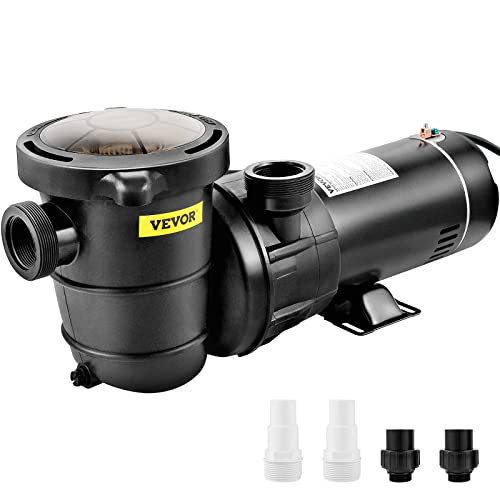
Best for: Pool owners who want high flow and a durable, certified pump for larger above-ground setups. This unit delivers a strong 333 L per minute (88 GPM) with a maximum lift of 43 ft, making it suitable for pools needing robust circulation. The copper motor and stainless-steel shell contribute to reliability over time.
Why selected: It combines high output with a built-in thermal overload protection and ETL certification, which simplifies safety considerations. The detachable, oversized filter basket and transparent lid help with maintenance visibility, reducing service interruptions.
Caution: California buyers should note item restrictions in some contexts due to regional energy standards. Installation uses 1-1/2″ NPT connections; ensure hoses match your setup to avoid leaks.
choosmo 1/2HP Above Ground Pool Pump

Best for: Pool owners seeking a reliable replacement pump with strong flow without oversizing a system. It delivers up to 3120 GPH with a 41 ft max head, providing improved circulation for mid-sized above-ground pools or upgrades to existing filtration setups.
Why selected: It’s designed as a direct replacement for compatible sand filter systems, offering a straightforward upgrade path without buying a full filtration package. Compact form factor helps with tight install spaces.
Caution: This is a replacement pump only; it does not include a full filter tank. Confirm compatibility with your current filtration hardware to avoid fit issues.
XtremepowerUS 1.5HP Variable 2-Speed Pump
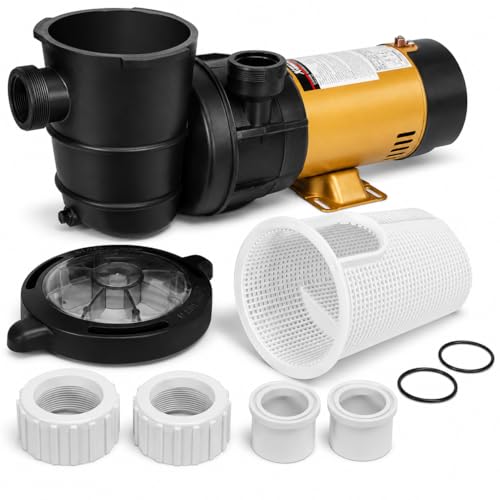
Best for: Buyers who want flexible control over water flow and energy use. The dual-speed 1.5 HP motor delivers a high flow at high speed and reduces energy usage at low speed, useful for daily circulation or filtering cycles.
Why selected: With 4980 GPH flow and 40 ft max head, it supports a broad range of pool sizes. The included adapters and see-through lid simplify setup and maintenance checks. IPX5 protection adds durability outdoors.
Caution: The motor is designed for 115V operation; ensure electrical infrastructure matches requirements and local codes before installation.
VIVOHOME 1.5 HP 5400 GPH Pump

Best for: Pool owners seeking a high-flow option with certified safety features for above-ground installations. This model’s 5,400 GPH output and 49.2 ft max head help maintain clear water in larger pools.
Why selected: The unit emphasizes maintenance ease with an extra-large detachable strainer basket and a transparent lid for quick inspections. The durable thermoplastic body and metal shaft enhance longevity in chemical and weather exposure.
Caution: The pump is recommended for use within a certain distance from the pool for optimal efficiency; verify placement to avoid excessive piping losses.
BluSwim 1.5 HP Self-Priming Pool Pump

Best for: Large above-ground pools needing maximum circulation and headroom. This model offers up to 6060 GPH and 52 ft of head lift, supporting quick turnover and robust filtration.
Why selected: The 1.5 HP copper motor paired with multiple hose fittings (1.25″, 1.5″, 2″) provides flexible installation options. Strong filtration performance helps maintain crystal-clear water with larger volumes.
Caution: Generating high flow may require stronger electrical and plumbing support; ensure your setup accommodates the higher capacity and reduces potential noise impact.
Buying Guide
What to consider when choosing an above-ground pool pump
- Flow rate vs. pool size: Larger pools benefit from higher GPH; smaller setups can run efficiently on lower outputs.
- Voltage and electrical fit: Most units are 115V; confirm your outlet wiring and circuit capacity before purchase.
- Head height and piping: Max head indicates the maximum height water can be lifted; ensure it meets your pool’s plumbing requirements.
- Duty cycle and noise: Look for thermal overload protection and quieter operation for comfortable outdoor use.
- Maintenance features: Detachable or transparent baskets simplify debris removal and inspection.
- Certifications: ETL, DOE, and other safety standards matter for long-term reliability and compliance.
Installation tips and compatibility checks
- Measure hose sizes and ensure adapters are compatible with your existing sand filter or plumbing.
- Place the pump within an appropriate distance from the pool to optimize suction and reduce heat buildup.
- Inspect electrical ground connections and use a GFCI outlet where required.
- Plan for regular maintenance, including basket cleaning and motor inspection.
Performance expectations by pool size
- Small to mid-sized above-ground pools: 1/2 HP to 1.5 HP pumps with 3000-4000 GPH flow can be sufficient.
- Large above-ground pools: Consider 1.5 HP to 2 HP models with 5000+ GPH for faster turnover.
FAQ
- What is the advantage of a higher GPH pump? It increases water turnover, improving filtration and clarity for larger or heavily used pools.
- Are dual-speed pumps worth it for above-ground pools? Yes, they save energy by letting you run on low speed for routine filtration and switch to high speed when needed.
- Do all pumps fit standard above-ground pool fittings? Most do, but always confirm hose sizes and adapter compatibility before purchasing.
- Is ETL certification important? It indicates compliance with safety standards, which is beneficial for long-term reliability and insurance considerations.
- Can I install a pool pump myself? Many DIYers install these pumps, but ensure electrical work is up to code and that you follow the manufacturer’s instructions.
- What maintenance helps prolong pump life? Regularly clean the basket, inspect seals, and verify there are no leaks or overheating symptoms.