
Answering your search for patio screened in enclosures, this guide highlights practical options to create bug-free outdoor spaces. Ideal buyers range from weekend hosts and small families to DIY enthusiasts and renters seeking quick, semi-permanent setups. Below you’ll find five top Amazon picks with clear, buyer-friendly details. Use the buying guide to compare materials, installation needs, and durability, then consult the FAQ for common questions about screening projects.
| Product | Best For | Key Benefit |
|---|---|---|
| Kozyard 50″ W x 48″ H Outdoor Privacy Screen | Backyard areas with A/C units or pool equipment | Aluminum posts; durable privacy panels |
| MultiTrack Porch Screening System Kit | Do-it-yourself porch renovations | Complete kit with sticks, screws, and spline |
| No-Spline Screened in Porch Kit | Hassle-free porch rescreening | Snap-in cap and base design; no staples |
| 60”H x 40”W Outdoor Cedar Privacy Screen | Wood-framed, maintenance-friendly enclosures | Cedar with aluminum posts; easy assembly |
| VEVOR Pop Up Screen House Tent | Portable shade and bug protection | Instant setup; roomy for 4–8 people |
Kozyard Aluminum Privacy Screen Kit
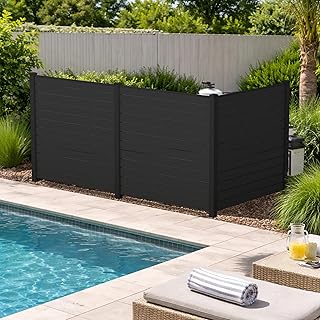
Best for: Outdoor spaces needing a compact privacy screen around utilities or trash enclosures. This kit provides sturdy aluminum posts and three-panel design for easy installation and durable outdoor use. Choose this if you want a low-profile, long-lasting enclosure with minimal maintenance. Limitation: The footprint is relatively narrow, so measure your space carefully before purchasing.
MultiTrack Screening System Kit

Best for: DIYers who want a complete, ready-to-assemble porch screening solution. It includes 10 sticks, screws, and a long spline for a streamlined install. Choose this if you prefer a modular approach that can be adapted to various porch widths. Caution: Installing over uneven surfaces may require additional planning to ensure fit and tension.
No-Spline Screened In Porch Kit

Best for: Porches that require a quick, staple-free rescreening. This kit uses a cap-and-base system to snap in screen material, reducing installation time. Better for: homeowners seeking a clean, professional look with fewer tools. Caution: Ensure you have compatible screen material, as some kits accept specific mesh sizes only.
RNSOL Outdoor Cedar Privacy Screen
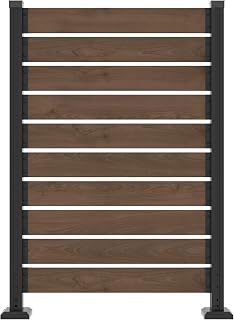
Best for: wood-focused spaces where a natural aesthetic is desired. This panel uses cedar with aluminum posts for durability and a classic look. Choose this if you want a rustic, warm appearance and simple assembly. Caution: Cedar may require periodic maintenance to preserve its color and insect resistance over time.
VEVOR Pop Up Screen House Tent

Best for: portable shade and bug protection on outdoor gatherings. This 10 x 9.2 ft pop-up design supports 4–8 people and features wind-ready reinforced poles. Choose this if you need a quick, portable enclosure for travel, picnics, or temporary setups. Caution: It’s a pop-up design, so it may require careful handling to avoid accidental collapse during setup in windy conditions.
Buying Guide
Screen material and frame: Look for durable frames (aluminum or treated wood) and tightly woven mesh to keep insects out. Consider whether you need a freestanding kit or one designed to attach around existing structures.
Ease of installation: Kits vary from snap-in no-spline designs to complete DIY systems with screws, sticks, and spline. Choose based on your comfort with basic carpentry and local weather conditions.
Maintenance and longevity: Wood options require finishing and periodic maintenance. Metal frames should be rust-resistant and corrosion-proof for outdoor exposure.
Space and footprint: Measure the intended area carefully. Some products are compact privacy screens, while others form larger enclosures suitable for gatherings or equipment coverage.
Portability and storage: For seasonal use or travel, consider pop-up or lightweight systems that collapse into a carrying bag.
Frequently Asked Questions
- What is the best material for patio screen enclosures? Aluminum frames are durable and low maintenance; cedar offers a natural look but requires upkeep; vinyl and mesh choices affect ventilation and visibility.
- Do these kits require professional installation? Most kits are designed for DIY installation, but complex or large enclosures may benefit from professional help.
- Can a screen enclosure be used around an air conditioner? Yes, privacy screens and enclosures can surround equipment, but ensure proper airflow and access for maintenance.
- How do I maintain a wooden cedar screen? Regular cleaning and periodic sealant or stain application help preserve color and insect resistance.
- Are screen enclosures weatherproof? Many are weather-resistant but not fully weatherproof. Consider local climate and potential water pooling; choose designs with appropriate angles and drainage.
- What is the typical installation time? It varies by kit; some can be assembled in a few hours, while others may take longer depending on space and surface conditions.