
Answer: For pet owners seeking year‑round comfort for dogs and cats outdoors, an air‑conditioned dog house or climate‑controlled pet shelter is a practical choice. These units pair cooling and/or heating with insulated construction to keep pets comfortable from summer heat to winter cold. Ideal buyers include outdoor or patio pet households, multi-pet homes needing a weatherproof retreat, and owners who want plug‑in convenience without frequent maintenance. The top options below are selected for different pet sizes, climates, and setup needs, helping you choose the best fit for your furry companion.
| Product | Best For |
|---|---|
| Electric Cooling and Heating Cat House (CooL Tech Store) | Year‑round comfort for indoor/outdoor cats; compact space |
| 2026 Upgraded Dog House with Ac (WOSLXM Store) | Medium to large dogs; strong cooling with ice packs |
| Air Conditioned Cat House with Ice Packs (Premium Grey) | Summer cooling on porches and patios |
| Aivituvin Heated Dog House | Cold climates; durable weatherproof kennel |
| 2026 Latest Dog House with AC (XL Two Teal Roofs) | Very large dogs; long cooling duration; no‑tool setup |
CooL Tech Store: Electric Cooling and Heating Cat House
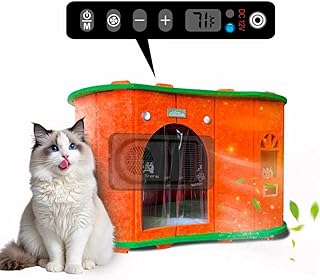
Best for: small to medium indoor/outdoor cats or small dogs needing year‑round climate control. This unit combines cooling and heating in one compact module using semiconductor technology to maintain roughly 25–28°C, suitable from -10°C to 40°C. It features a safety‑minded design with a bite‑proof wire tube to protect cords. The control is simple: LED display with three modes (Cool/Heat/Air Supply) and a pre‑cool/pre‑heat function for instant comfort.
Caution: The kit emphasizes safety, but ensure a dry, sheltered mounting location to prevent moisture exposure and check the cord area after chewing attempts.
WOSLXM Store: 2026 Upgraded Dog House with Ac

Best for: dogs needing extended cooling with an insulated enclosure. It includes 10 reusable ice packs plus a soft cooling mat to sustain 8–12 hours of cool comfort, making it suitable for garages, porches, or patios. The structure is reinforced for stability with snap fasteners and screw connections to resist daily use.
Limitation: While it provides substantial cooling, the ice packs require recharging or replacement after many cycles; plan for routine refreshing to maintain cooling efficiency.
Air Conditioned Cat House: Ice Packs and Insulated Shelter

Best for: outdoor cats or small dogs seeking a breeze‑through cooling station on shaded porches. It uses reusable ice packs and insulated lining to lower ambient temperature. The exterior uses bite‑resistant Oxford cloth for durability in varied weather. Stand is optional for added stability, not mandatory.
Caution: It is designed as a cooling station; extreme summer heat might demand additional shade or extra cooling packs for longer hot periods.
Aivituvin Heated Dog House with Insulated Liner

Best for: dogs in cold climates needing a durable wooden kennel with a built‑in heating pad. The insulated liner and electric heating element provide warmth during chilly seasons. Its all‑around iron frame and wood materials offer robust outdoor durability, with a raised floor to help keep pets dry.
Limitation: It relies on an electric source; ensure safe, weather‑proof electrical access and proper cord management to avoid exposure to moisture.
2026 Latest Dog House with AC: XL Two Teal Roofs

Best for: very large dogs or households needing long cooling durations. It offers two sizes (L and XL) with adjustable cooling via a set of 10 ice packs plus an XL cushion in the larger model. Its HDPE ice crystal box is designed for long‑lasting, reusable cooling. The no‑tool setup simplifies assembly, and the insulated layers support steady performance up to 12 hours.
Limitation: The XL version adds a cushioned interior, but the larger footprint requires adequate space and air circulation to maximize cooling efficiency.
Buying Guide
What should I consider before buying an air conditioned outdoor pet house?
Key factors include pet size, climate, and where the shelter will be placed. Sizes should match your pet’s dimensions to avoid cramped interiors. For hot climates, prioritize models with effective insulation and long‑lasting cooling packs or continuous cooling. In colder areas, heating elements should be safe for outdoor use and rated for variable temperatures.
What energy features matter?
Look for units with energy‑efficient cooling/heating, simple controls, and automatic safety shutoffs. Some models use semiconductor cooling or ice packs; both have different maintenance needs. Ensure your setup allows a protected electrical connection and weatherproof power access.
How do I choose between cooling and heating options?
Choose cooling when your primary concern is heat relief during summer. If your climate has freezing temperatures, select a model with a heating element or an insulated interior. Some pets benefit from combined cooling and heating in one unit for transitional seasons.
Where should I place the shelter?
Place in a shaded, dry area away from direct rain or strong winds. Elevate the unit slightly to prevent moisture intrusion and ensure good airflow around all sides. Consider a sheltered patio corner or covered porch for maximum year‑round usability.
Maintenance and safety tips
Regularly inspect cords for bite damage or wear. Clean cooling mats or ice pack compartments as recommended by the manufacturer. Use weatherproof covers when not in use to extend life, and ensure pets can safely enter and exit without getting tangled in cords or zippers.
Size and pet compatibility checklist
- Pet weight and height match interior dimensions
- Door height allows easy entry without kneeling or crawling
- Stable base to prevent tipping on uneven ground
FAQ
- Q: Do these units require professional installation? A: Most are plug‑in and designed for consumer setup; some models are tool‑free or have optional stands.
- Q: How long do cooling packs last? A: Ice packs typically maintain cooling for 8–12 hours, depending on ambient temperature and pack quality.
- Q: Can pets chew on cords? A: Many models include bite‑proof cords or external protection; always supervise initial uses and consider cord management solutions.
- Q: Are these shelters weatherproof? A: Look for weatherproof fabrics, insulated linings, and sturdy frames designed for outdoor conditions.
- Q: Is there a risk of overheating inside the shelter? A: Choose units with automatic temperature control and vents to maintain comfortable levels and prevent overheating.