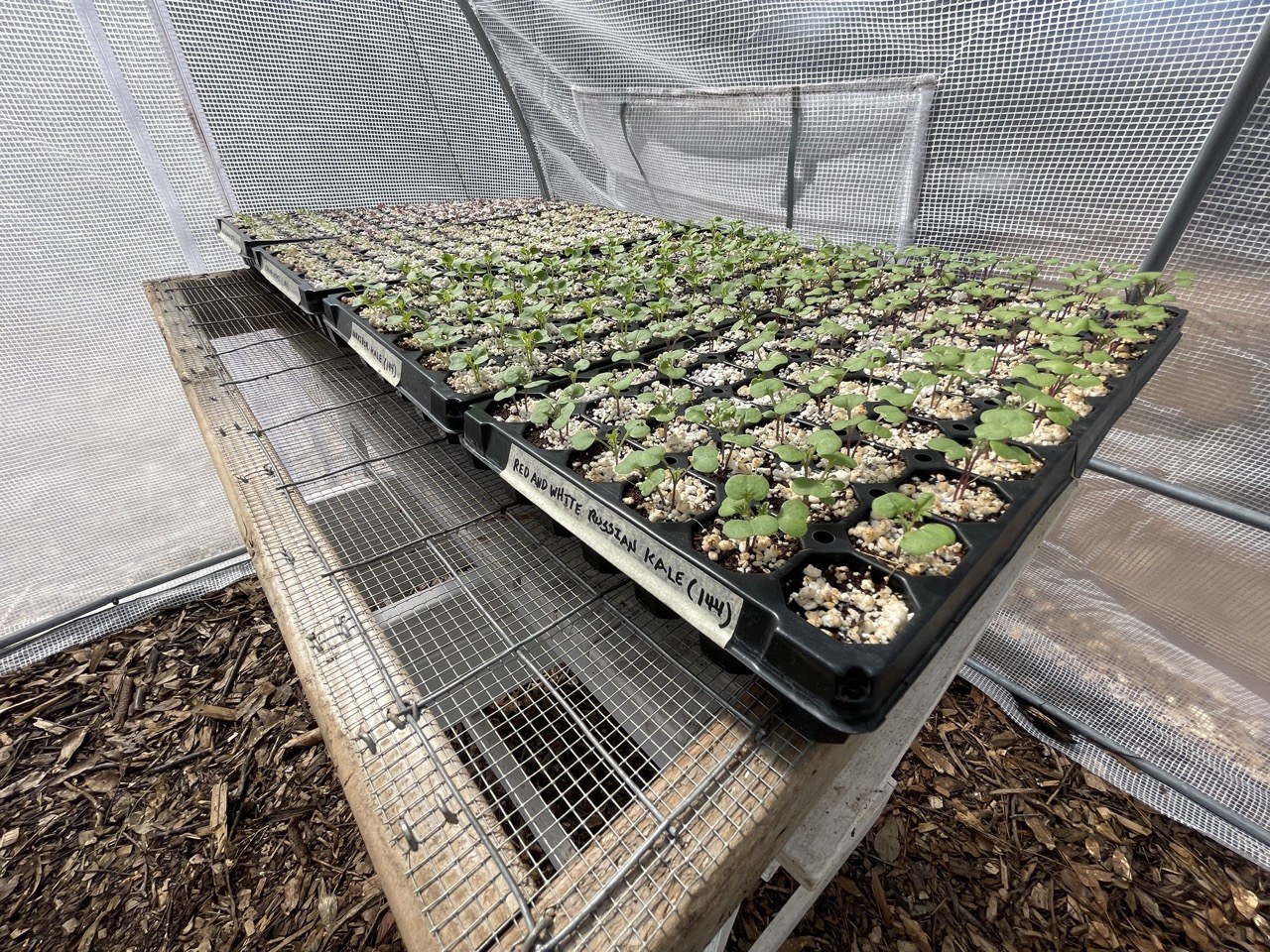
You can have a warm afternoon, a tempting packet of seeds, and a bed that still feels like early spring below the surface. A soil thermometer helps you check that last part before you commit a row of seeds or move a tray of transplants outside.
For a straightforward analog check, start with the Taylor 5976N; choose the REOTEMP K82-3 if you want a larger Fahrenheit dial and a five-inch stem. The Luster Leaf 1625 is the alternative when you prefer reading digits rather than estimating a needle position.
What these picks can actually tell you
These are document-based recommendations for occasional checks in small garden beds, not results from a side-by-side accuracy trial. We compared the selected Amazon listings with manufacturer descriptions, looking at display format, stem length, care information, and how each tool fits an ordinary planting routine.
You will not find a claimed fastest reading or most accurate instrument here because we have not measured either. You should also check the exact model and instructions when your order arrives, since a familiar brand name can cover several different thermometers.
Start with the planting question, then pick the probe
Your useful question is usually whether the soil in a particular planting spot has warmed enough for a particular crop. A dial's colored planting zones can offer a reminder, but your seed packet and local extension guidance should decide which crop conditions you are checking.
Keep sampling depth consistent with the method behind that guidance, and make sure the instrument can be inserted as its instructions require. Taylor describes measuring two inches below the surface; that does not make two inches the universal sampling depth for every crop or planting recommendation.
A longer stem gives you room to reach into a bed, but length alone does not establish where the instrument senses temperature. Before buying, look for the insertion directions rather than assuming the whole metal stem measures an average of everything it touches.
Think about where you will read the display, too: a dial that looks generous on a product page can feel different when you are leaning over a bed edge. If you cannot comfortably see the markings in your usual position, a digital display may be the more practical choice.


| Selected tool | Choose it for | Check before buying |
|---|---|---|
| Taylor 5976N | Simple analog checks | Fahrenheit/Celsius; small dial |
| REOTEMP K82-3 | Larger analog dial | 2-inch dial; 5-inch stem |
| Luster Leaf1625 | Reading digits | Digital; check care/battery directions |
Taylor 5976N: a simple analog starting point
The Taylor 5976N suits you if you want a small tool for a few planting checks and do not want batteries in the routine. Its analog face shows Fahrenheit and Celsius, and Taylor documents a four-inch stainless steel stem with a two-inch measurement depth.

Taylor 5976N Soil Temperature Thermometer · Product photograph from the linked Amazon listing.
Check Price on AmazonThe colored zones make this an approachable first instrument, especially when you are learning to separate air temperature from soil conditions. Treat those broad zones as a prompt to look up your crop rather than permission to plant everything on the same morning.
This is the pick for a simple notebook habit: check a marked spot, write down the result, and return with the same method tomorrow. You do not need a long list of features to discover that the sunny bed and the shaded border are behaving differently.
Skip it if small dial markings are difficult for you to read or you need detailed instrument accuracy specifications before making a purchase. The documentation we reviewed does not provide enough comparable accuracy data to call it more precise than either alternative.
Although the manufacturer describes outdoor construction, you still need to follow the care directions supplied with the instrument. If your real goal is to leave a sensor outside and collect an automatic overnight history, buy a monitoring system designed for that job instead.
REOTEMP K82-3: choose it for the bigger dial
The selected K82-3 has a five-inch stem and a two-inch Fahrenheit dial, which makes its physical layout the clearest reason to consider it. REOTEMP's current product page documents a bimetal sensing element, a glass lens, and stainless steel case, bezel, and stem.

REOTEMP K82-3 Soil Thermometer · Product photograph from the linked Amazon listing.
Check Price on AmazonYou might prefer this layout when checking several beds and reading the instrument from above, provided the dial remains comfortable to see at your working distance. That is a fit judgment based on the documented dimensions, not a measured readability win over the Taylor.
The scale extends from zero to 220 degrees Fahrenheit, so much of its range sits outside ordinary seedbed decisions. A broad range is not automatically more useful than a narrower one; you still need to distinguish the temperatures relevant to your crop.
REOTEMP describes a calibration screw, but that feature does not mean you should turn it whenever a reading surprises you. Check the prescribed method first, and avoid making a casual adjustment against a different instrument whose own accuracy you have not established.
Choose this model for the documented construction and larger dial, rather than a promise of laboratory performance. Also verify the listing's five-inch variant: an older manufacturer catalog describes a different stem length under the same model name, while the current store and selected listing agree.
Luster Leaf 1625: when digits are easier to use
The Luster Leaf 1625 is a dedicated digital soil thermometer, rather than a combined moisture, pH, and light meter. Its straightforward appeal is the display format: you can read a number without deciding where a needle falls between two marks.

Luster Leaf 1625 Digital Soil Thermometer · Product photograph from the linked Amazon listing.
Check Price on AmazonThat can suit you if you keep a planting log or share checks with someone who finds small analog scales awkward. It does not establish better accuracy, and extra displayed digits should never be mistaken for proof of a more trustworthy measurement.
The manufacturer identifies model 1625 as its digital soil thermometer, but the accessible material offers less detail than the REOTEMP page. We could not establish a comparable response-time specification or a clear immersion rating from the sources reviewed, so neither becomes a selling claim here.
Before ordering, check battery information and the supplied care instructions, including whether the display housing needs to stay dry. If you want a completely battery-free tool or require published technical tolerances, one of those requirements should settle the decision before display preference does.
You should also keep a dedicated garden instrument separate from your kitchen thermometer. Even if two tools look similar, the planting routine, cleaning needs, and insertion instructions are reasons to choose the appropriate tool deliberately.
Make readings that you can compare
Mark a representative place inside the bed rather than always sampling beside a warm wall or directly against the frame. If the bed has a shaded end and a sunny end, record them separately instead of averaging away the distinction you need for planting.
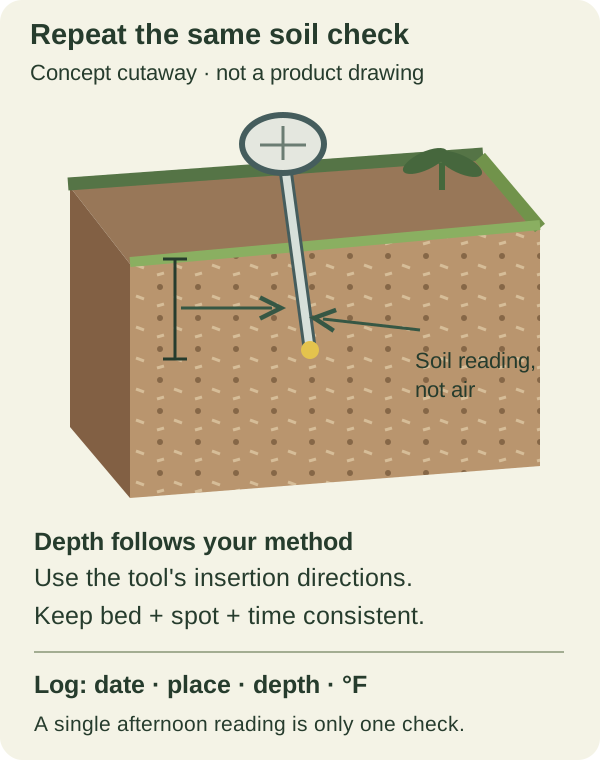
Use the same intended sampling depth, follow the instrument's insertion directions, and let the reading settle according to its instructions. Write down the location, depth, time, and reading; a bare number is much less useful when you cannot remember where it came from.
For example, your note might say “north bed, marked spot, local recommended depth, morning” beside the date and temperature. Repeat that observation over several days rather than treating one unusually warm afternoon as the whole story.
If two tools disagree, first compare the locations, depths, timing, and whether both were used correctly. Do not label one defective simply because you moved from a sunny bed to a shaded one, or read one before it had settled.
Know when a temperature reading is not enough
Soil temperature does not tell you whether the bed is ready to work when it is excessively wet. University of Minnesota Extension advises waiting when soil sticks to tools rather than crumbling, so a warm reading is not a reason to compact a soggy bed.
It also does not cancel frost risk above ground or replace the acclimation that transplants need. Keep your crop instructions, forecast, and local planting guidance alongside the thermometer reading rather than asking one small tool to make every decision.
If you only need an occasional check, buy the display you can comfortably read and keep the routine repeatable. Choose Taylor for simple analog use, REOTEMP for its larger documented dial, or Luster Leaf for a digital display, then let consistent observations do the useful work.
Sources and selection notes
Document-based shortlist, checked October 16, 2026. No hands-on performance or ownership claims; verify the exact model, instructions and current offer before buying.
- Taylor 5976N manufacturer specifications
- REOTEMP K82-3 current manufacturer store
- Luster Leaf manufacturer thermometer identification
- University of Minnesota Extension: planting the vegetable garden
- Exact Amazon listing: Taylor 5976N Soil Temperature Thermometer
- Exact Amazon listing: REOTEMP K82-3 Soil Thermometer
- Exact Amazon listing: Luster Leaf 1625 Digital Soil Thermometer