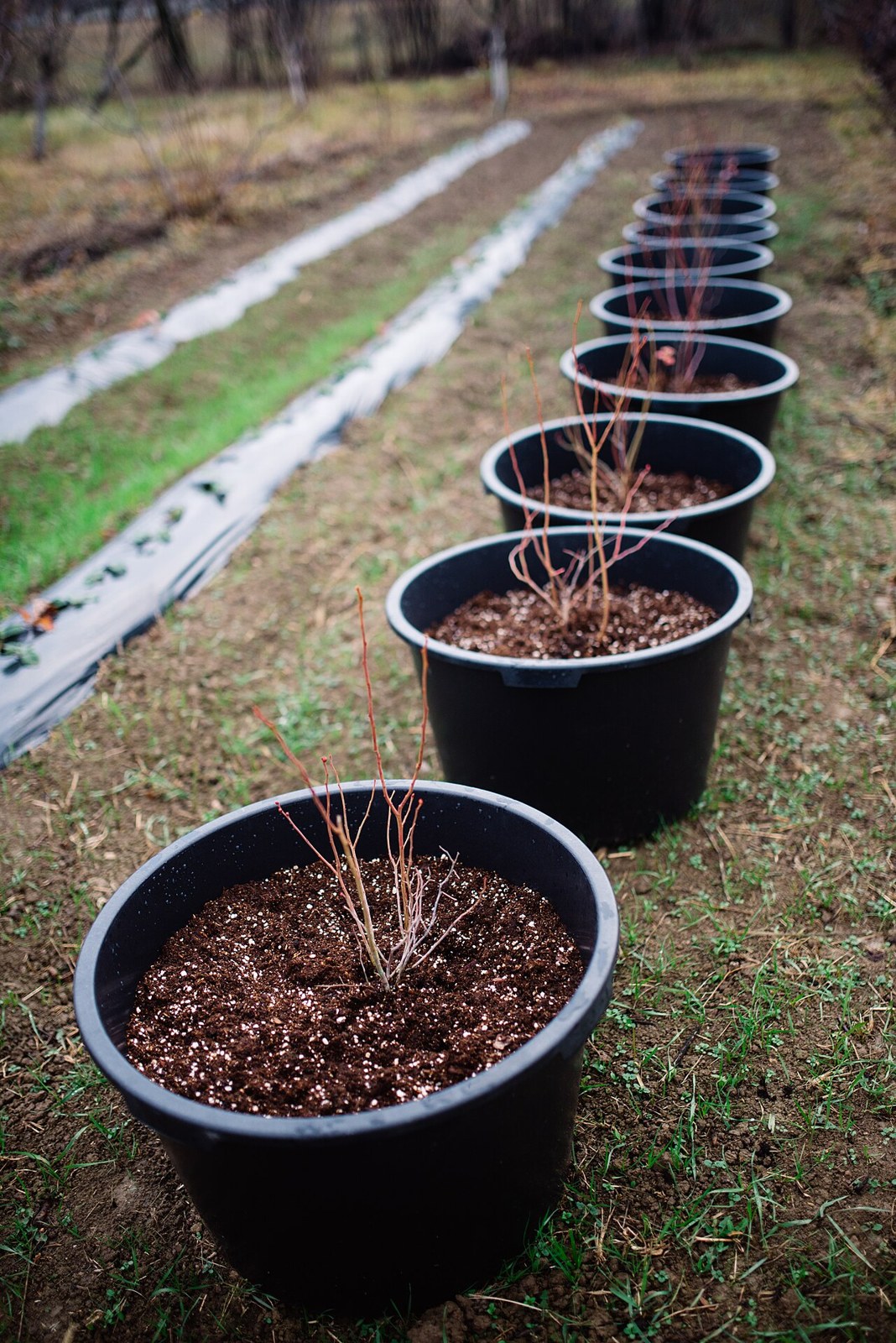
A good container trowel lets you open a planting pocket without scattering half the potting mix onto the patio. The best choice depends less on how tough the tool looks than on the space around your root ball and the material you actually need to move.
For everyday planting in loose mix, put the Fiskars Ergo Trowel and Corona Comfort Trowel on your shortlist. Consider the Root Slayer 16011 only if your work also includes reclaiming containers with old root mats, where its serrated edges have a more specific purpose.
Choose for the pot you have
You might fill a wide patio planter with bedding plants, tuck one herb into a narrow pot, or clear last season's roots from a tub. Those jobs ask different things of a blade, even when every product on the shelf carries the same garden-trowel label.
Start by looking at the opening you need to make around the transplant, with room to support the root ball as it goes in. If the blade and your knuckles cannot move comfortably inside the pot, a larger scoop can make a small job unnecessarily clumsy.
University of Maryland Extension recommends following the crop's spacing and depth guidance when planting containers, then watering gently so plants and growing medium stay in place. Your tool should help you make that planting space rather than encourage you to force a plant into a narrow slit.
A trowel also should not become a lever against a ceramic rim when a root ball is stuck. Set that task aside, free the container appropriately, and support the plant; buying a stronger-looking blade does not make the pot rim a suitable fulcrum.
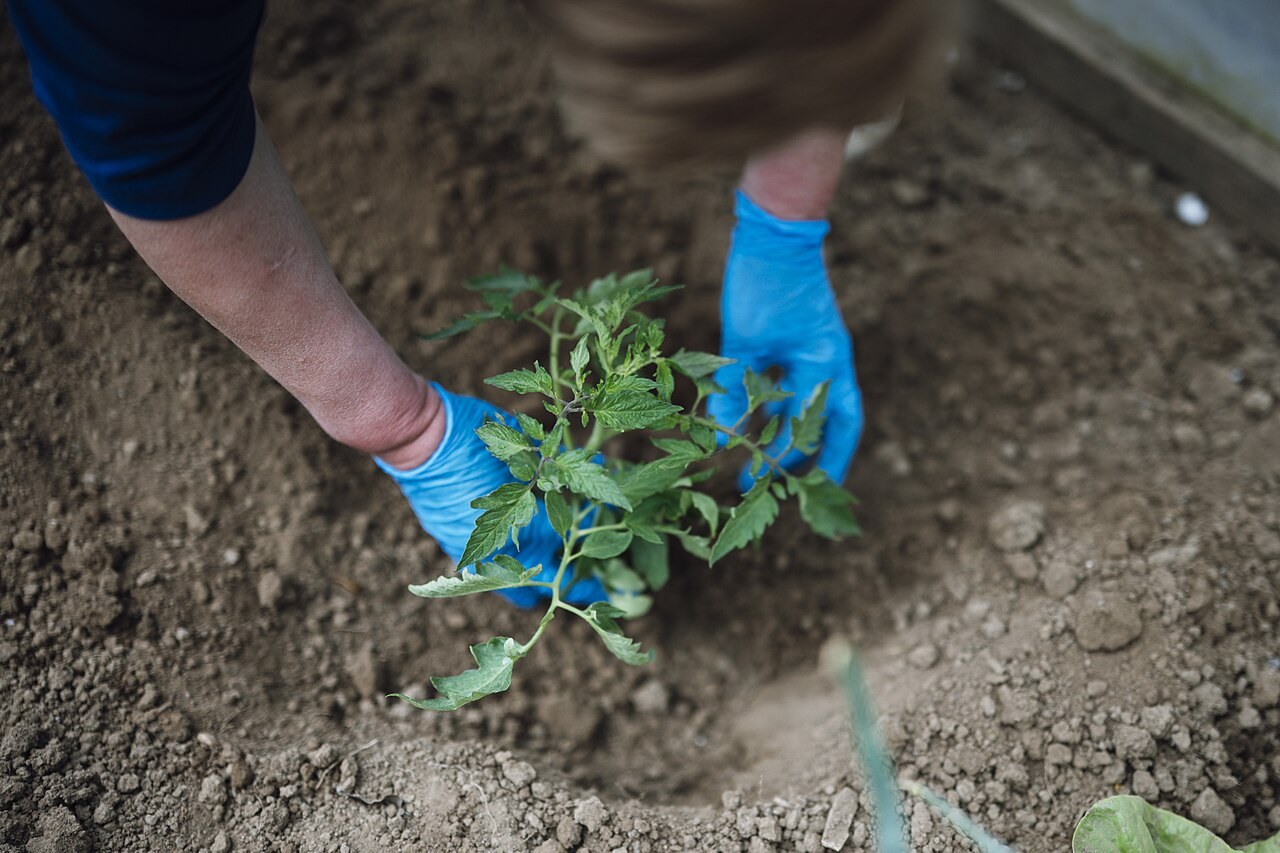

How we made this shortlist
These recommendations compare manufacturer descriptions and the exact selected Amazon listings, with emphasis on blade material, shape, grip, and the intended job. We have not used these tools side by side or measured digging effort, durability, or comfort during a planting session.
All three are individual hand tools rather than a multi-tool kit, and the linked Root Slayer is the trowel-only 16011. If you see a holster bundle, another size, or a similar-looking hand weeder, check the listing again before treating it as the same recommendation.
| Selected tool | Choose it for | Check before buying |
|---|---|---|
| Fiskars Ergo | Everyday loose mix | Plain cast-aluminum scoop |
| Corona CT 3010I | Another simple scoop | Polished aluminum; cushioned grip |
| Root Slayer 16011 | Spent root-mat cleanup | Serrated steel; not delicate lifting |
Fiskars Ergo Trowel: a straightforward everyday scoop
The Fiskars Ergo Trowel is a sensible starting point when your main job is moving loose potting mix and opening planting pockets. The selected black-handled tool uses a cast-aluminum head, with a grip shaped for ordinary hand-tool work.

Fiskars Ergo Trowel, model 384220-1001 · Product photograph from the linked Amazon listing.
Check Price on AmazonIts plain scoop shape keeps the buying decision fairly simple: you are choosing a general trowel rather than paying for a specialized cutting edge. That suits a small collection of patio pots where most of the preparation involves loose material and healthy nursery transplants.
You still need to think about blade clearance in your smallest pot, especially if you usually work around a plant already near the center. A wide opening can accommodate a conventional scoop easily, while a cramped gap may call for a smaller tool you already own.
Do not read the Ergo name as a promise that the handle will fit every hand or prevent discomfort. If grip fit is a deciding factor, compare its shape with a tool you can hold locally and check the seller's return terms before ordering.
The actual listing shows model 384220-1001 and a manufacturer part number ending 1007, so we identify the selected tool by its Ergo Trowel name and ASIN as well. This avoids quietly substituting a different regional Fiskars product that uses another blade material.
Corona CT 3010I: another simple planting option
The Corona Comfort Trowel CT 3010I has a one-piece polished aluminum-alloy structure with a cushioned grip. It is worth comparing with the Fiskars when you want an uncomplicated planting scoop and prefer the shape of Corona's handle.

Corona Comfort Trowel CT 3010I · Product photograph from the linked Amazon listing.
Check Price on AmazonFor a row of medium patio containers, you might use this kind of tool to shift small amounts of mix, shape the opening, and backfill around a root ball. That is an ordinary task match, not evidence that this trowel moves more material per scoop than its competitors.
Corona describes the polished construction as easy to wipe clean, which makes cleanup a reasonable part of the appeal. You should still remove packed material and dry the tool before storage rather than relying on a material description to cover every care condition.
The manufacturer's broad durability language is not a reason to use it as a pry bar in hard ground. If you hit a buried stone, a thick root, or the solid bottom of a pot, stop and investigate instead of trying to prove how much force the blade can take.
Choose between the Corona and Fiskars on fit, blade access, and the current offer for the exact single tool. Without a controlled trial or a reliable measurement of your hand position, calling either universally more comfortable would be an empty promise.
Root Slayer 16011: for clearing old root mats
The Root Slayer 16011 changes the blade design rather than simply changing the handle on a conventional scoop. Radius documents a carbon-steel blade with serrated sides, while the selected listing identifies the red trowel without the optional holster.

Root Slayer 16011 Heavy Duty Garden Trowel · Product photograph from the linked Amazon listing.
Check Price on AmazonThose edges make this the conditional pick when you are emptying spent containers or dividing up an unwanted mat of old roots before rebuilding the planter. They are not a reason to saw through the healthy roots of every transplant you bring home.
The manufacturer lists a blade width of three and a half inches, which is an important fit check for a narrow container. Before choosing it, compare that width with the available working space rather than assuming the extra cutting features also make it the most precise planting tool.
You should also consider whether an exposed serrated edge belongs in your usual tool bag or storage arrangement. Keep it away from loose gloves and delicate items, handle the blade deliberately, and use storage protection that suits the actual tool.
If your pots already contain fresh mix and you only plant small nursery starts, the specialized edges may add little to the job. Pick a simpler scoop unless you can point to a real cleanup task that makes this particular blade useful.
Make room for the root ball
Before you start, set the plant beside the container and clear a stable place to put the removed mix. Holding a plant in one hand while trying to balance loose soil on the pot rim makes it harder to see whether the opening is actually large enough.
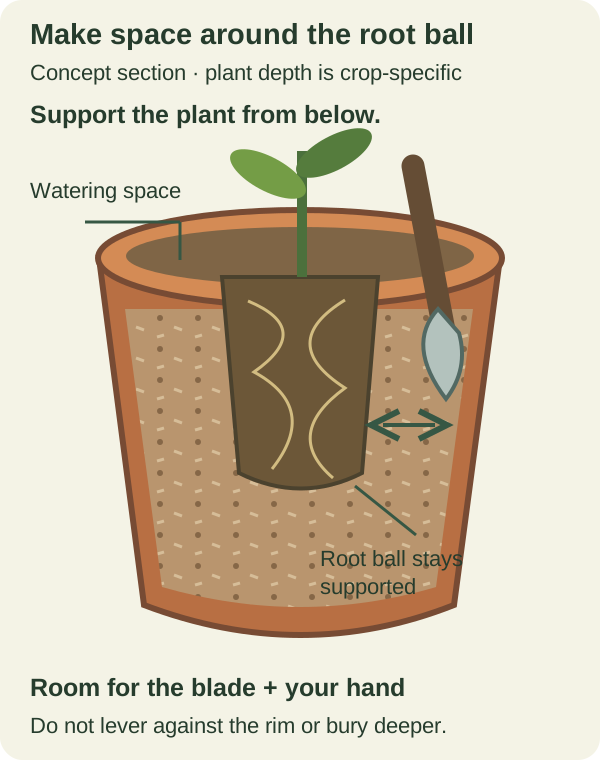
Make a pocket that accepts the root ball without folding it into a tight gap, and check the crop's intended planting depth before backfilling. Tomatoes, for example, can have different planting guidance from other crops, so a generic trowel diagram cannot set every plant's depth.
Use several small scoops when that gives you better control than one oversized lift. Keep the blade clear of the pot wall, and use your supporting hand under the root ball rather than pulling a seedling into position by its stem.
For a healthy seedling in a small cell, a spoon or plant tag may be more useful for lifting than any of these full-size trowels. University of Minnesota Extension specifically recommends supporting seedlings by the root ball, which is a helpful reminder that the most useful tool can change during the same planting job.
Leave the container ready for watering
Stop adding mix before you bury the plant deeper than its crop guidance allows or fill away the container's watering space. Maryland's container guide recommends leaving some room below the rim and watering gently after planting, so loose mix does not immediately wash over the edge.
After the first watering, look for exposed roots, a shifted transplant, or a pocket that has settled unevenly. Correct that planting problem directly rather than pressing down harder with the trowel just to make the surface look perfectly flat.
Clean the blade when the job is finished, inspect the grip and edges, and store the tool somewhere you can reach it without grabbing the blade. A simple routine also gives you an opportunity to notice damage before the next planting session.
For most loose-mix container work, start with the Fiskars or Corona and choose the fit you prefer. Reserve the Root Slayer for a genuine root-mat cleanup need, and keep a smaller lifting tool nearby for the delicate part of transplanting.
Sources and selection notes
Document-based shortlist, checked October 16, 2026. No hands-on performance or ownership claims; verify the exact model, instructions and current offer before buying.
- Corona CT 3010I manufacturer product page
- Radius Root Slayer Trowel manufacturer product page
- University of Maryland Extension: growing vegetables in containers
- University of Minnesota Extension: starting seeds indoors
- Exact Amazon listing: Fiskars Ergo Trowel, model 384220-1001
- Exact Amazon listing: Corona Comfort Trowel CT 3010I
- Exact Amazon listing: Root Slayer 16011 Heavy Duty Garden Trowel