
Squash bugs can quickly weaken plants, sap from leaves, and reduce yields. Choosing the right insecticide involves balancing speed, coverage, plant safety, and organic options. This guide highlights five trusted products that perform well against squash bugs, with practical notes on application and compatibility with common squash varieties. The goal is to help American gardeners select effective solutions without compromising plant health or ecological balance.
Summary of chosen products
| Product | Brand | Key Benefits |
|---|---|---|
| Sevin Insect Killer Dust 1 Pound | Sevin | Contact killer; broad insect coverage; quick results |
| Bonide Insecticidal Soap, 32 oz | Bonide | Organic-friendly; multiple pests; direct contact kill |
| Sevin 100547234 Insect Killer Ready-to-Use 1 Gallon | Sevin | Large-area coverage; fast action; broad pest spectrum |
| Bonide Captain Jack’s Neem Max, 32 oz | Bonide | 4-in-1 approach; organic-friendly; preventive and curative |
| Captain Jack’s Neem Max (Neem-based) | Bonide | Soil-safety; systemic protection; versatile use |
Sevin Insect Killer Dust 1 Pound

Sevin Insect Killer Dust is a fast-acting dust that provides contact control for many garden pests. For squash plants, dusting the undersides of leaves and stems can help counter squash bugs when populations are light to moderate. The product’s broad range of listed insects makes it useful for mixed pest pressure in vegetable beds. While it offers robust pest knockdown, apply only to dry foliage and avoid blooming flowers to protect pollinators. Reapplication may be needed after rain, and always follow label directions for safe use around edible crops.
Bonide Insecticidal Soap 32 oz
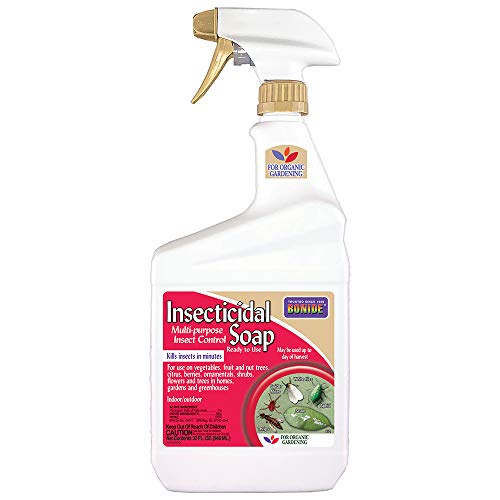
Bonide Captain Jack’s Insecticidal Soap is designed for outdoor residential gardening and is approved for organic use. It works through direct contact and ingestion, targeting a wide range of soft-bodied pests such as aphids, mites, and thrips that often harbor on squash foliage. For squash bugs, thorough leaf coverage plus reapplication may be necessary for eggs and nymphs. This soap is especially attractive for organic gardeners seeking a spray that is less harsh on beneficial insects when used as directed. Avoid spraying stressed plants or in extreme heat to minimize plant damage.
Sevin 100547234 Insect Killer Ready-to-Use 1 Gallon

This ready-to-use gallon provides convenient, broad-spectrum protection for roses, vegetables, and ornamentals. Its quick-contact action helps reduce squash bug populations when applied to affected leaves and stems. The formula’s large-volume coverage is beneficial for larger garden plots or multiple beds. As with all synthetic insecticides, rotate with non-chemical controls to prevent resistance and minimize impact on non-target organisms. Always apply during dry conditions and avoid application during peak heat to reduce foliar stress on the plants.
Bonide Captain Jack’s Neem Max 32 oz

Captain Jack’s Neem Max is a cold-pressed neem oil-based spray that acts as an insecticide, fungicide, miticide, and nematicide in one product. Neem oil provides preventive protection by disrupting insect reproduction and feeding. It is suitable for organic gardening and can be used on a variety of vegetables, including squash. Neem Max covers eggs, larvae, and adults, helping reduce squash bug lifecycles. While neem products are generally considered safer for beneficials, neem can also affect pollinators in flowering crops if applied improperly, so apply during non-flowering periods or when pollinators are least active.
Buying Guide: Choosing The Right Insecticide For Squash Bugs
When selecting an insecticide for squash bugs, consider pest lifecycle, crop timing, and house versus garden use. Here are key purchase considerations from multiple perspectives:
- Mode of action: Contact killers work quickly upon contact, while systemic and preventive options offer longer-term protection. For squash bugs, combining a fast-acting product with a preventive treatment can help break the life cycle.
- Organic vs. conventional: Organic options (such as insecticidal soap and neem-based products) are preferred by many home gardeners. They typically require more frequent applications but are gentler on beneficial insects when used as directed.
- Plant safety: Always follow label directions to avoid plant damage, especially on sun exposure and heat-stressed squash varieties. Some products are best applied when foliage is dry and temperatures are mild.
- Coverage and application: For larger beds, gallon-size containers or ready-to-use sprays simplify coverage. Dust formulations are useful for contained areas but may require dusting infrastructure and personal protective equipment during application.
- Resistance management: Rotate products with different active ingredients to reduce the chance of pest resistance. Pair chemical options with cultural controls such as monitoring, row spacing, and trap crops.
- Environmental and pollinator considerations: Avoid bloom periods when possible for insecticides that may affect pollinators. Where possible, apply products to the undersides of leaves and during times when pollinators are less active.
In practice, a practical approach isn’t just about selecting a single product. Gardeners often combine cultural practices—such as removing nearby overwintering sites, encouraging natural enemies, and maintaining healthy plant vigor—with targeted insecticides for squash bug management. For organic plots, start with insecticidal soap or neem-based products and escalate to more potent formulations only if pest pressure remains high. For larger or mixed plantings, a rotation plan using a dust or spray product can help keep populations under control while protecting garden health.