
Choosing the right base is crucial for long-lasting patio pavers, driveways, and shed bases. This guide highlights five durable, permeable base systems designed to improve drainage, reduce soil erosion, and support heavy loads. Each option below is made to withstand outdoor conditions while keeping installation straightforward for DIY enthusiasts. Use this overview to compare load capacity, depth, and surface adaptability so your next hardscape project stays solid for years.
Product Summary
| Product | Brand | Depth | Coverage | Load Class / Notes |
|---|---|---|---|---|
| Vodaland Permeable HexPave System | Standartpark | 1 inch | 65 sq ft / 22 units | Up to 27,000 lbs |
| TRUEGRID PRO LITE Permeable Pavers | TRUEGRID | 1 inch | 72 sq ft / 18 units | Up to 120,000 lbs class |
| Standartpark Vodaland Permeable Pavers EasyPave | Standartpark | 2 inches | 35 sq ft / 14 units | Up to 80,000 lbs class |
| Gravel Grid 33 x 4 FT Kit | BIOBUBANA | 2 inches | Kit size details in listing | Up to 1,900 lbs per sq ft |
| Goldshire Permeable Pavers | Goldshire | 1.6 inches | 32 sq ft / 12 units | Up to 6,610 lbs |
Vodaland Permeable HexPave System

The HexPave system uses 100% recycled PPE plastic to create a strong, eco-friendly gravel grid. With 1-inch depth, it covers 65 square feet using 22 units and is designed to support heavy loads—up to 27,000 lbs depending on base and fill. Each unit measures about 22 7/8″ long by 19 7/8″ wide and 1 1/8″ high, making it versatile for grass patios, driveways, walks, and shed bases. Its modular design simplifies installation and maintenance while improving drainage through permeable joints.
TRUEGRID PRO LITE Permeable Pavers
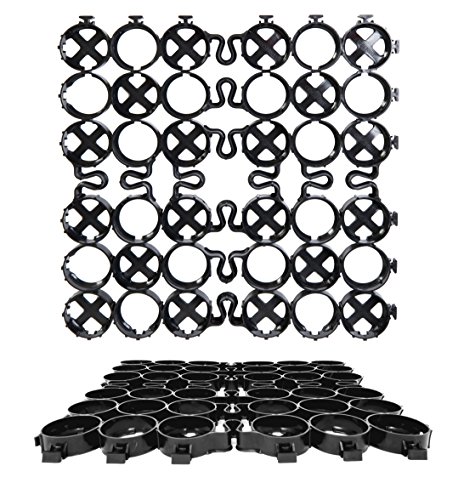
TRUEGRID PRO PLUS (Lite) pavers are designed for DIY installs and emphasize ease of use. Made in the USA from 100% post-consumer recycled HDPE, these grids are amber for drainage, weathering, and long-term performance. They work across climates and soils, are 100% permeable, and are snow plow–able. The system supports a wide range of outdoor projects—from driveways to patio bases—while promoting efficient water drainage and weed control through stabilized joint behavior.
Standartpark Vodaland Permeable Pavers EasyPave

This EasyPave grid system is 2 inches deep and covers 35 square feet across 14 units. It is designed for permeable driveways, parking areas, and shed bases, providing a robust support structure for gravel fillings. The units are engineered to distribute weight evenly, reducing rutting and soil compaction, while maintaining excellent drainage across weather conditions. The kit includes components that help facilitate a straightforward installation, even for first-time installers.
Gravel Grid Kit by BIOBUBANA

The Gravel Grid kit uses heavy-duty HDPE honeycomb grids to distribute loads up to 1,900 pounds per square foot. The 2-inch depth helps stabilize heavy driveways, slopes, and pathways while mitigating soil erosion. The package typically includes two grid panels, landscape staples, buckles, and gloves—supporting a quick, tool-light installation. Flexible connections allow end-to-end or side-by-side expansions, enabling custom layouts for driveways, parking spaces, and walkways.
Goldshire 12 Units Permeable Pavers

Goldshire’s permeable paver system uses 100% recycled plastic and offers 12 units at a 1.6-inch depth to cover 32 square feet. It provides strong load capacity for driveways, shed bases, or gravel parking areas. The interlocking design supports easy assembly and ensures stability across various ground conditions. Its compact footprint makes it suitable for smaller projects or where a modular base is preferred for quicker deployment.
Buying Guide: Key Purchase Considerations
Selecting the right base system involves balancing load requirements, drainage, ease of installation, and future maintenance. Consider the following:
- Load capacity: Determine whether the base must support vehicles, heavy equipment, or just pedestrian use. Higher load classes generally require thicker grids and firmer underlying base materials.
- Depth and coverage: Deeper grids provide greater stability but use more material. Match depth to expected loads and soil conditions to avoid excessive settlement.
- Permeability: Permeable systems reduce puddling and erosion by allowing water to pass through. Confirm drainage performance aligns with local rainfall and soil type.
- Material and sustainability: Many options use recycled plastics, offering durability with lower environmental impact. Consider UV resistance for sun exposure in your region.
- Installation ease: DIY-friendly grids with simple connections save time. Look for kits that include anchors, buckles, or gloves if you plan to do it yourself.
- Maintenance and longevity: Assess resistance to freeze-thaw cycles, weed growth control, and whether joint sand needs periodic refreshment.
- Compatibility with fills: Some systems work best with compacted gravel, while others can accommodate soil or sand fills. Ensure your chosen base supports the intended surface fill.
- Local climate considerations: Snow plowing, freeze-thaw, and heavy rainfall influence performance. Choose systems rated for your climate and soil type.
For best results, match the base system not only to the intended load but also to the specific site conditions—soil type, slope, and drainage. A permeable base often requires a properly prepared sub-base and compacted aggregate to maximize performance and longevity. Always follow manufacturer installation guidelines to ensure the full benefits of drainage, stability, and durability.