
Beach trips go smoother with a cooler on wheels that keeps drinks cold and can be moved across sand. This guide highlights five top options that balance ice retention, capacity, and portability for American beachgoers. Each pick is analyzed for who it’s best for, potential limitations, and why it stands out. The products listed here target different needs—from large family outings to compact, lightweight carry. Use the comparisons below to choose the ideal beach cooler with wheels for your next sunny escape.
| Product | Best For | Key Benefit |
|---|---|---|
| Coleman Xtreme 50qt Rolling Cooler | Large groups, beach days | Up to 5 days ice retention |
| 72-Can Large Rolling Cooler (SDLINR) | Extensive snacks and drinks | Detachables and large capacity |
| Coleman Classic 65-Quart Rolling Cooler | Long hauls and shared beverages | 4 days ice retention with rugged wheels |
| INSMEER 50L Rolling Cooler | Versatile, 3-in-1 use | Detachable cart and leak-proof design |
| Coleman 42-Can Soft Rolling Cooler | Compact day trips | 12+ hours ice retention with eco-friendly materials |
Note: All selections are chosen for practical beach usability, ease of movement on sand, and reliable insulation. Consider your typical group size, preferred ice retention window, and whether you want a detachable cooler or a single integrated unit.
Coleman Xtreme 50qt Rolling Cooler
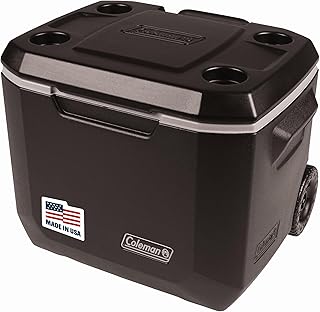
Features: Extended Ice Retention with Xtreme technology, keeps ice up to 5 days even at 90°F. Large capacity holds up to 84 cans, serving as both a large cooler and an insulated can cooler. Durable wheels aid transport across sand and pavement. Best for: large beach gatherings, family barbecues, and camping trips where long ice life matters. Limitation: bulkier footprint may be less ideal for tight beach spaces or car trunk constraints.
72-Can Large Rolling Cooler ( SDLINR )

Features: Sturdy roll with detachable cart and extra-wide base. All-terrain wheels and a tall handle extend to 37.7″ for easy pull. Detachable two coolers allow use as independent lunch bags or work coolers. Large capacity and multiple pockets provide organized storage. Best for: picnics, beach days, and multi-stop outings where modular use matters. Caution: heavier when fully loaded, which may require more effort on soft sand.
Coleman Classic Series 65-Quart Rolling Cooler

Features: Fully insulated lid and body, ice retention up to 4 days at temperatures as high as 90°F. Heavy-duty 6-inch wheels and a telescoping handle for easy transport. Built-in cup holders with drain enable clean beverage storage. Best for: long beach days and shared beverages; ideal when you want a durable, all-terrain cooler. Limitation: color options for logo may vary and this model emphasizes durability over ultra-compact size.
INSMEER Cooler With Wheels

Features: 50L capacity holding up to 80 cans. 3-in-1 design converts to a detachable cooler with a fixed frame, enabling hand truck use. Exterior constructed from 900D fabric for durability and a leak-proof interior with seamless hot-press technology. Best for: shoppers needing a flexible, modular solution that can double as a cart. Caution: soft-sided design may be less rigid than hard-shell models on rough terrain.
Coleman 42-Can Soft Rolling Cooler

Features: Portable with a telescoping handle and durable wheels. Exterior fabric uses recycled polyester fibers, highlighting eco-friendly construction. TempLock insulation provides 12+ hours of ice retention for cold drinks. Best for: day trips and lighter loads where sustainability is a priority. Limitation: smaller capacity compared to hard-shell alternatives, so plan accordingly for larger gatherings.
Buying Guide
What size and capacity should you choose?
Consider how many people you typically feed at the beach and how many beverages you need to keep cold. Large groups benefit from 50-65 quart capacities, which balance space with transportability. If you only need a day’s worth of drinks, a 20-42 can range can be more convenient.
Which insulation matters most?
Look for features like Xtreme insulation, TempLock or other multi-layer insulation. Ice retention of 4 days or more is ideal for longer trips; 12+ hours is common for soft coolers and may suffice for a shorter beach day.
Wheels and stability on sand
Beach sand demands larger wheels and a sturdy frame. Models with heavy-duty wheels and wide bases perform better on soft ground. Detachable carts add stability when you don’t need a full cooler cart.
Ease of carrying and maneuverability
Telescoping handles, built-in cup holders, and integrated straps can ease transport. Consider whether you prefer a single rolling cooler or a detachable bag that can function independently.
Materials and environmental considerations
Eco-friendly fabrics and durable shells extend the life of the cooler. If sustainability matters, choose models using recycled fabrics and long-lasting insulation that reduces frequent replacements.
Maintenance and durability
Leak-proof linings and durable zippers reduce spillage risk. Consider if the cooler will endure frequent trips via car trunk, boat, or beach sand. Clean and dry thoroughly after use to extend insulation performance.
FAQ
- What makes a cooler best for the beach? A beach-specific cooler combines long ice retention, large capacity, and wheels suited for sand or uneven surfaces.
- Are soft coolers as good as hard coolers for the beach? Soft coolers are lighter and flexible but typically offer shorter ice retention. They can be convenient for quick trips or when you need to detach the bag for other uses.
- Do I need a detachable cart? A detachable cart provides flexibility. Use the cart for heavy loads on sand and remove it when you only need a compact bag.
- How important are wheels for sand? Wheels with wider bases and higher clearance handle sand better, reducing the effort required to pull the cooler to your spot.
- Should I buy multiple smaller coolers or one large cooler? It depends on travel style. One large cooler minimizes trips, while multiple smaller options allow separate storage for drinks, snacks, and perishable items.
- What maintenance helps insulation performance? Keep linings clean, dry, and free of moisture; avoid prolonged exposure to heat, and store in a shaded area when not in use.