
Finding the right blow up pool filter pump means balancing size, flow, and safety with ease of use. This guide highlights five top options that suit common above‑ground pools, from smaller inflatable sets to larger portable models. Each pick is evaluated for best use cases, energy efficiency, and maintenance needs so you can choose with confidence. Perfect for families, weekend hosts, and pool enthusiasts who want clear water with simple upkeep.
| Product | ||
|---|---|---|
| INTEX Krystal Clear 1,000 GPH (26637EP) | Medium to large above-ground pools up to 6,000 gal | Improved circulation with cartridge gauge indicator |
| BluClear 300 GPH (Small Above Ground) | Smaller above-ground setups or quick refreshes | ETL/GFCI safety with quick maintenance |
| INTEX Krystal Clear 530 GPH (26603EP) | Smaller to mid-size pools up to 3,800 gal | HydroAERATION boosts filtration efficiency |
| AQUASTRONG 2500 GPH | Large above-ground pools up to 9,000 gal | High flow with 6-way valve for versatile cleaning |
| TonGass 800 GPH | Pools up to 5,000 gal | Durable design with GFCI safety |
Note: Each option emphasizes either higher flow, safety certifications, or ease of maintenance. When selecting, consider your pool size, desired cycle times, and whether you prefer cartridge or sand filtration for ongoing care.
INTEX Krystal Clear 1,000 GPH Cartridge Filter Pump
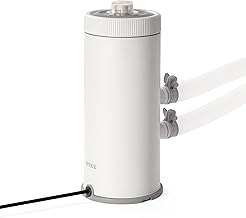
This 1,000 GPH unit is best for mid‑sized above-ground pools up to 6,000 gallons. It features a cartridge gauge indicator that changes color to signal when to replace the filter, a 2–10 hour cycle that helps conserve energy, and a replaceable Dacron cartridge for clearer water. It is well suited for buyers who want simple monitoring and reliable filtration without extra complexity. Caution: ensure the cycle timing matches your pool’s usage to avoid under‑circulation during heavy use.
BluClear 300 GPH Pool Filter Pump

Ideal for smaller above-ground setups, the BluClear 300 GPH pump helps maintain crystal-clear water by effectively removing debris and particles. ETL certified and equipped with a GFCI, it prioritizes safety during operation. The included Type I filter cartridge keeps maintenance straightforward. Best for compact pools or temporary installations where space is limited. Limitation: lower flow means longer filtration cycles for larger pools.
INTEX Krystal Clear 530 GPH Cartridge Filter Pump

Designed for smaller pools up to 3,800 gallons, this model uses HydroAERATION technology to inject air into the water, improving circulation and filtration efficiency. It includes a Type A filter cartridge for durable filtration and easier maintenance. Choose this if you have a compact pool and want to maximize filtration performance without increasing pump size. Caution: lower flow may require longer cycles for larger loads or heavy debris days.
AQUASTRONG Sand Filter Pump 2,500 GPH

Best for larger above-ground pools, this sand filter pump delivers 2,500 GPH with a system flow of 2,000 GPH and a 6‑way valve for versatile operation. Its programmable timer supports efficient filtration cycles and energy savings. Suitable for pools up to 9,000 gallons, it helps keep water clear with robust debris handling. Realize that sand filters require periodic backwashing and sand replacement over time, which may affect maintenance routines.
TonGass 800 GPH Pool Filter Pump

The TonGass 800 GPH pump is designed for pools up to 5,000 gallons and emphasizes safety with GFCI protection. It uses a Type II cartridge filter and corrosion‑resistant PP construction, offering durable operation outdoors. Best for buyers who value safety features and durability in a mid‑range flow pump. Limitation: not as high‑flow as some larger units, which can affect filtration speed for bigger, heavily used pools.
Buying Guide
What pool size is ideal for a given pump?
For inflatables and small above-ground pools, 300–530 GPH units suffice. For mid-size pools up to a few thousand gallons, 800–1,000 GPH models provide faster turnover. Large pools approaching 9,000 gallons benefit from 2,000–2,500 GPH pumps or sand filtration with a multi‑valve system.
Cartridge vs. sand filtration
Cartridge filters offer easy maintenance and replacement cartridges. Sand filters provide longer intervals between cartridge changes but require backwashing and occasional sand replacement. Consider your maintenance preference and pool size when choosing.
Safety and certifications
Look for GFCI protection and ETL/UL certifications for electrical safety. A pump with simple, accessible on/off cycles and timers helps manage energy use and ensures safe operation around water.
Operating considerations
Check the flow rate relative to your pool’s volume. Higher flow reduces turnover time but may increase energy use. Ensure the pump includes a data-rich indicator or filter gauge if you prefer straightforward maintenance signals.
Maintenance and compatibility
Confirm the pump’s compatible hose sizes and connector types with your pool’s filters. Plan for routine filter cleaning or replacement, especially after heavy use or debris storms. A model with a replaceable cartridge or clear maintenance guidance saves time over the season.
FAQ
Q: How do I know which GPH is right for my pool?
A: Match the pump’s GPH to your pool size: up to 1,000 GPH for small, up to 3,800 GPH for mid-size, and 2,000–2,500 GPH (or higher with 6‑way valves) for large pools.
Q: Are cartridge filters better than sand filters?
A: Cartridge filters are easier to maintain and replace, while sand filters offer longer cycles between changes but require backwashing and occasional sand care.
Q: Is GFCI protection important?
A: Yes. GFCI reduces electrical hazards around water and is strongly recommended for outdoor pool equipment.
Q: Can I use any pump with my existing filter?
A: Compatibility depends on connector sizes and pump type. Check the product specifications for inlet/outlet diameter and flow compatibility before pairing with a current filter.
All product descriptions are provided to aid buyer decisions and reflect the listed features as described by the manufacturers. This article does not include hands-on testing, ratings, or warranties.