
Choosing the right bluegrass seed can transform a tired patch into a dense, dark-green lawn. This guide highlights top-rated bluegrass options and blends designed for sun, shade, and high-traffic yards. Each product includes durability, germination, and suitability details to help you pick the best seed for your climate and lawn goals.
Summary of selected products:
| Product | Brand | Best For | Size |
|---|---|---|---|
| Kentucky Bluegrass Mix with Fertilizer | Scotts | Dense green lawn, full sun | 5.6 lbs |
| Blue Panther Kentucky Bluegrass Seed | Jonathan Green | New lawns and overseeding | 25 lb |
| Smart Seed Kentucky Blue Grass Mix | Pennington | Dense, lush lawn | 3 lb |
| Blue Grama Substitute — Pursue | Scotts | Low-maintenance, eco-friendly | 1 lb |
| Kentucky 31 Tall Fescue | Pennington | Durable, economical lawn | 7 lb |
Scotts Turf Builder Kentucky Bluegrass Mix with Fertilizer
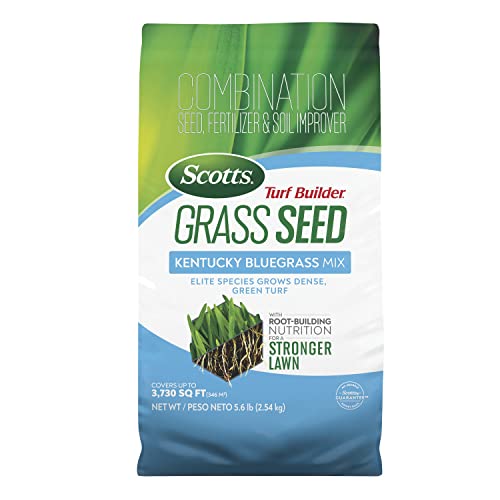
The redesigned Scotts Turf Builder Grass Seed Kentucky Bluegrass Mix is an elite species that grows dense, green turf and features Root-Building Nutrition for a stronger lawn. This blend is designed for full sun and light shade, with moderate drought resistance and high durability. Use this lawn care product in spring or fall to seed a new lawn or overseed an existing lawn, aiming for a uniform, weed-resistant turf.
Key features include root-building nutrients that support establishment and a blend tailored for sun exposure, helping to reduce bare patches and improve overall lawn resilience. It’s suitable for new lawns or patching up thin areas, and its nutrient package can support faster germination and early growth. For best results, prepare soil properly and follow recommended sowing depths and watering schedules.
Jonathan Green Blue Panther Kentucky Bluegrass Seed

Blue Panther Kentucky Bluegrass Seed offers 100% Kentucky Bluegrass to establish a sod-quality lawn from seed. It is ideal for new yards and can fill thinning areas in existing lawns that were originally Kentucky bluegrass sod. This seed produces a dark green lawn with dense, uniform texture and resilience to heavy traffic, making it a solid choice for areas that see routine use and require robust recovery after drought or heat stress.
It is grown by leading sod producers across the USA, ensuring reliable germination and uniform appearance. The variety is well-suited for cool-season climates and allows overseeding to expand density without large color or texture variations. Proper irrigation and gradual mowing height adjustments help maximize the lawn’s visual appeal and longevity.
Pennington Smart Seed Kentucky Blue Grass Mix

Pennington Smart Seed Kentucky Blue Grass Mix combines Kentucky bluegrass with a tailored fertilizer blend to promote dense, lush turf. The mix contains just the right amount of fertilizer to support establishment and ongoing growth, making it suitable for lawns receiving 4 to 6 hours of sunlight daily. This product emphasizes a balanced establishment phase with gradual nutrient release to encourage uniform germination and steady lawn development.
Pennington’s formulation aims to minimize thinning and patchiness while ensuring a dark-green color and strong stand in sun-daturated or moderately shaded areas. For best outcomes, follow soil preparation steps and monitor moisture closely during germination, especially in warmer regions or during periods of drought.
Scotts Pursue Blue Grama with Natural Seed

Scotts Pursue Blue Grama is an alternative lawn ground cover featuring tall-growing prairie grass native to North America. While not a traditional bluegrass, it offers a sustainable, low-maintenance lawn care option that can be used in large-area projects or xeriscaped yards. This product is designed for durability with reduced mowing frequency and water needs, providing a wildlife-friendly and drought-tolerant ground cover that still contributes a distinct green aesthetic to broad landscaping plans.
As a substitute for conventional bluegrass in suitable climates, it supports erosion control and can tolerate varied soil types. It’s important to match this seed with appropriate irrigation and soil preparation, since its growth pattern differs from typical Kentucky bluegrass and may require adjusted mowing regimes and fertilization schedules.
Scotts Turf Builder Heat-Tolerant Blue Mix

The Heat-Tolerant Blue Mix is designed for tall fescue lawns in hot climates, featuring a deep bluegrass-style blend with Heat-Tolerant properties and Root-Building Nutrition. This seed is suitable for full sun and partial shade and offers moderate to high drought resistance, making it a practical choice for regions with intense summers. It’s intended for spring or fall seeding, or for overseeding existing lawns that require enhanced heat resilience and density.
While not pure Kentucky bluegrass, this mix can still contribute a robust, vibrant lawn in warm-weather regions. Prospective buyers should verify compatibility with their climate and consider whether a bluegrass-dominant seed or a cool-season mix better matches their yard’s sun exposure, irrigation availability, and maintenance schedule.
Buying Guide: Key Purchase Considerations
When selecting bluegrass seed, consider germination rates, seed variety, climate compatibility, and maintenance requirements. Kentucky bluegrass thrives in cool-season regions with adequate moisture and well-drained soil. Look for blends marketed for full sun or light shade if your lawn isn’t always exposed to direct sunlight. For high-traffic areas, select seeds with dense turf traits and improved recovery after wear.
Important factors include seed origin and germination guarantees, the presence of protective coatings or Starter Fertilizer, and the seed’s resistance to common lawn stresses like heat, drought, and disease. Overseeding existing lawns requires compatibility with current turf, soil testing, and a planned irrigation schedule to ensure even germination and growth. Environmental considerations, such as low-input or eco-friendly blends, may appeal to sustainable lawn care goals.
For bare patches, starter fertilizers can promote faster establishment, while overseeding can restore density in thinning zones. If you have shaded areas, select seeds formulated for light shade tolerance. In warm climates, heat-tolerant mixtures may help maintain color and density through summer. Always follow label directions for sowing depth, watering frequency, and mowing height to maximize germination and lawn health.
Comparison snapshots:
- Seed quality and purity: Look for percent germination guarantees and weed-free assurances. Higher purity supports uniform growth and reduces weed competition.
- Size and coverage: Smaller 1–3 lb bags are suitable for patches, while 5–25 lb bags cover larger areas. Ensure your project scope aligns with bag size.
- Seasonal suitability: Cool-season blends work best in temperate regions; heat-tolerant options help in hotter climates. Plan seeding during optimal cool periods for best results.
- Fertilizer integration: Some blends include Starter Fertilizer or soil improver to jump-start growth; assess whether you need additional soil amendments.
- Maintenance needs: Consider mowing height, irrigation capacity, and expected recovery times when choosing a seed mix.