
When choosing a stake out pole for your boat, the focus is on reliability in shallow water, ease of use, and durability in salt or freshwater. This guide highlights five top options for hunters, anglers, and casual boaters who need steady holds in varying water depths. Each pick targets a common use case—from quick push-pole setups for small craft to rugged, longer poles for stability in windy conditions. The table below helps compare core specs at a glance, so you can pick the right pole for your boat size and water type.
| Product | |||
|---|---|---|---|
| SuperStick Shallow Water Anchor Pin | 8 ft | Stainless Steel | Rugged reliability in shallow water with easy anchoring |
| Pelican Anchor and Push Pole | 8 ft | Fiberglass | Push pole versatility and ergonomic grip |
| BeneLabel 36″ Sand Anchor Pole | 36 in | Stainless Steel | Compact, portable anchor for small craft and beaches |
| EDSRDPLT 2006 Anchor Pole | 7.75 ft | Fiberglass/nylon | Buoyant, two-piece design with compass |
| itayak 8.39′ Shallow Water Anchor Pole | 8.39 ft | Fiberglass | Two-piece, durable for small boats and kayaks |
SuperStick Shallow Water Anchor Pin Review
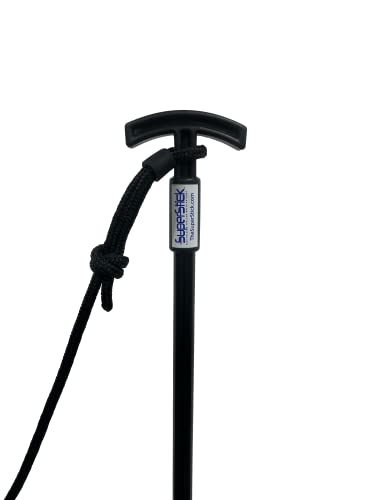
The SuperStick Shallow Water Anchor Pin combines a stainless steel spike with a durable design aimed at anchoring in shallow water. Its spike tip resists wear and splintering, aiding easier insertion into bottom substrates. Best for anglers and boaters who need a strong, wind-resistant hold in coastal or lake environments. A notable limitation is that it is optimized for shallow water and may not provide the same leverage in deep-water conditions where longer poles are advantageous.
Who this is best for: Small to mid-size boats or kayaks that frequently anchor in shallow zones and require a robust, corrosion-resistant pole. Why selected: The stainless spike and rugged construction offer dependable performance where quick, repeatable anchoring matters.
Caution: Stainless steel can become sharp at the tip; handle with care during setup and storage.
Pelican Anchor And Push Pole
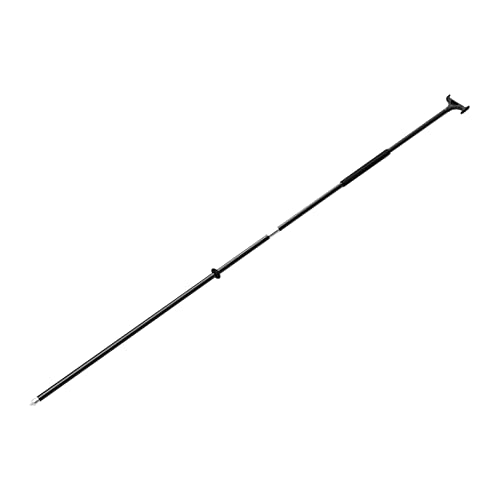
The Pelican Anchor and Push Pole blends a shallow-water anchor capability with a push pole design and ergonomic handle. Its two-piece fiberglass shaft includes a rubber ring to prevent rope sliding, and the integrated hook provides a comfortable grip for on-the-water adjustments. This setup is better for boaters who want a multipurpose tool that handles anchoring and pushing in light to moderate currents. A caution is that the push-pole function may require a stable stance and occasional re-seating of the rope to maintain grip in rougher water.
Who this is best for: Anglers and small boat owners who need a versatile tool for shallow water mooring and occasional pushing tasks. Why selected: The ergonomic handle and design focus on ease of use in calm to moderate conditions.
Caution: The two-piece shaft may require occasional tightening to maintain stability under heavy use.
BeneLabel 36-Inch Sand Anchor Pole

The BeneLabel screw-in 36-inch anchor pole uses 304 stainless steel with a screw-in design and a robust propeller-style grip, designed for quick penetration into various sand textures. It comes with a 32-foot rope and a storage bag, making it a compact choice for small boats, kayaks, and canoes. This pole excels in sandy shorelines and shallow water but may be less ideal for rocky substrates where screw-in anchors could experience traction challenges.
Who this is best for: Beach-bound boats that require a compact, portable anchor with ready-to-use rope. Why selected: Excellent grip and corrosion resistance, with included rope and bag for easy transport.
Caution: The screw-in tip can be harder to deploy in very hard or rocky bottoms.
EDSRDPLT Anchor Pole With Compass

This floating shallow-water pole features a buoyant two-piece design that can float and be mounted on standard paddle holders. It includes a T-handle with a built-in compass for basic navigation and a 316 stainless steel tip for corrosion resistance. It is best for boaters who want a buoyant, easy-stow option that doubles as a basic navigational aid. The strength of this pole is balanced by its lighter construction, which may be less suited to heavy current conditions.
Who this is best for: Paddlecraft and small boats that value buoyancy, compact storage, and a simple compass aid. Why selected: The floating design helps prevent loss in rough conditions, and the compass adds basic orientation on the water.
Better Boat Sand Spike For Quick Anchorage
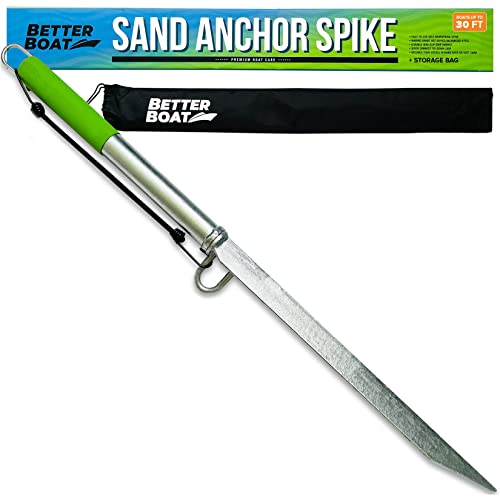
The Sand Spike offers a quick, tool-free method to set a stake into sand or soft bottoms. It uses a bungee-cord self-hammer design to drive the spike deeper with each pull, providing a secure hold in as little as seconds. It is rated for boats up to 30 feet and features a hot-dipped galvanized steel shaft for corrosion resistance in saltwater. This option is best for beach launches and shallow-water docking where speed matters. A limitation is that it relies on finding favorable sand conditions for optimal grip.
Who this is best for: Beachfront boaters and shore dock users who need fast, tool-free anchoring in soft substrates. Why selected: Quick setup and solid grip in sandy bottoms make it ideal for casual anchor needs.
Buying Guide: Key Considerations For Choosing A Boat Stake Out Pole
- Water Type And Depth: For shallow waters, consider shorter poles with robust tips. For deeper or current-heavy areas, choose longer, stronger poles with secure locking mechanisms.
- Material Durability: Stainless steel resists corrosion; fiberglass and reinforced nylon offer balance between strength and weight. Consider environment (saltwater vs freshwater) when selecting materials.
- Ease Of Use: Look for two-piece designs, buoyancy features, or ergonomic handles that reduce fatigue during setup and removal.
- Mounting And Storage: Check for portability features like included bags, compact lengths, and compatibility with paddle holders or boat racks.
- Bottom Substrate Compatibility: Screws and spikes perform differently on sand, mud, clay, or rocky bottoms. Choose based on typical docking substrates in your cruising area.
- Additional Features: Compass, integrated rope guides, and anti-slip handles can improve navigation and handling on the water.
FAQ: Quick Answers For Shallow Water Poles And Anchors
- Q: Which pole is best for a small kayak in calm lakes? A: A compact stainless steel or aluminum pole with a screw-in or pin design, such as BeneLabel’s 36-inch option, balances portability and grip.
- Q: Do I need a two-piece pole? A: Two-piece designs save storage space and are easier to transport, and they often reduce the risk of detachment in rough water.
- Q: Is buoyancy important for shallow-water poles? A: Yes, buoyancy helps prevent loss if the pole slips from a mount or the user drops it, especially on rivers or windy days.
- Q: Can I use any pole in saltwater? A: Choose poles with corrosion-resistant materials such as stainless steel or galvanized steel to withstand saltwater exposure.
- Q: Are longer poles always better? A: Not always. Longer poles provide reach and stability in deeper water, while shorter poles are lighter and easier to handle in shallow zones.
- Q: Should I buy a pole with a rope kit? A: A kit with a rope and clamping mechanism helps in quick mooring, but verify compatibility with your boat’s cleats and lines.