
Butterflies thrive on nectar-rich blooms, and the right butterfly bushes can transform a garden into a lively pollinator haven. This guide previews five leading Buddleia varieties and seed mixes that are well-suited to American gardens, offering drought tolerance, seasonal color, and easy maintenance. Each option highlights key features to help you choose plants that attract butterflies, bees, and hummingbirds while fitting your climate and space.
| Product | Brand | Type | Best For |
|---|---|---|---|
| 350+ Mix Butterfly Bush Seeds | Generic | Drought-tolerant, low maintenance, pollinator-friendly | |
| Red Butterfly Bush Live Shrub Plant | YOKEBOM | Long-lasting color, fragrant flowers | |
| Blooming & Beautiful – Pugster Amethyst | Blooming & Beautiful | Compact, light purple blooms, wildlife-friendly | |
| Butterfly Bush Mix Seeds – Buddleja Davidii | LUSORA VALE | Vibrant clusters, nectar-rich, fast-growing | |
| Buddleia ‘Pugster Blue®’ | Winter Greenhouse | Compact, long bloom time, container-friendly |
350+ Mix Butterfly Bush Seeds — Perennial Ornamental Shrub
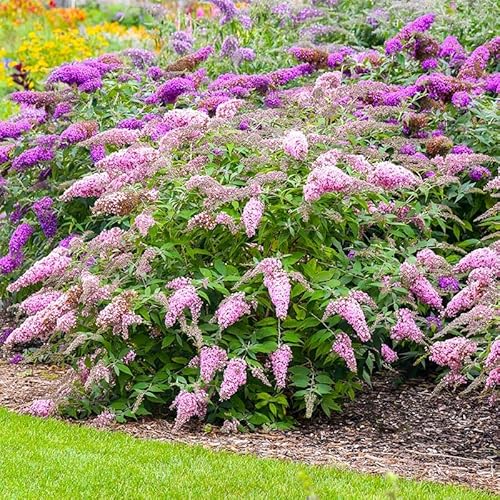
The 350+ Mix Butterfly Bush Seeds provide a broad palette of seed-based options for gardeners seeking a hardy, drought-tolerant pollinator plant. These seeds are suitable for USDA zones 3-9, expanding the range of environments where butterfly gardens can thrive. Planting is simple: sow in spring on moist soil and lightly press; avoid covering the seeds to encourage germination. Once established, the mix can yield fragrant blooms that attract hummingbirds, butterflies, and other pollinators, helping to support local ecosystems while requiring minimal ongoing maintenance.
Red Butterfly Bush Live Shrub Plant
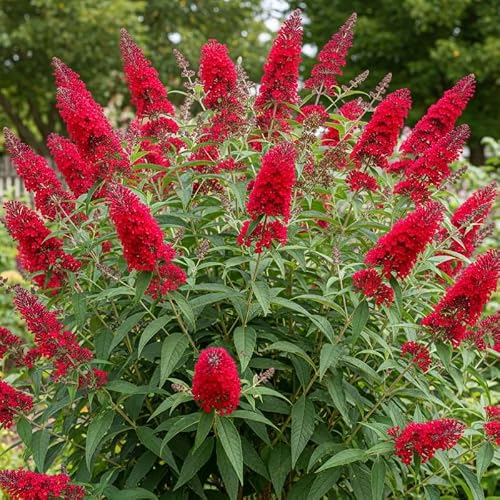
Red Butterfly Bush, a Buddleia variety, is celebrated for its long, fragrant flower clusters in vivid hues that attract butterflies and other pollinators. This deciduous shrub is well-suited for full sun and zones 5-9, offering versatility as a hedge, specimen plant, or part of mixed borders. Its fragrant flowers provide ongoing nectar through summer and into fall, supporting butterfly activity across the growing season while adding striking color to your landscape.
Blooming & Beautiful — Pugster Amethyst Butterfly Bush

The Pugster Amethyst variety delivers compact, showy conical flower clusters in a light purple amethyst shade. This deciduous shrub reaches a modest height and width, making it ideal for small gardens, containers, or front yards. Flowers appear from early summer to frost, attracting butterflies and other wildlife with their continuous nectar supply. It is best suited for USDA zones 5-9 and enjoys full sun to partial shade with well-drained soil for vigor and consistent bloom.
Butterfly Bush Mix Seeds — Buddleja Davidii

The LUSORA VALE butterfly bush mix seeds offer a nectar-rich blend designed to attract butterflies, bees, and hummingbirds. These perennials bloom in clusters of purple, pink, white, and blue with a sweet fragrance from summer through fall. They are hardy, fast-growing, and drought-tolerant, thriving in full sun and a range of soil types. This mix provides versatility for borders, beds, and wildlife-friendly landscapes while delivering continuous color and pollinator support throughout the growing season.
Buddleia ‘Pugster Blue®’ — Compact Butterfly Bush

Pugster Blue is a compact Buddleia with a long bloom time, suitable for container growing or small garden spaces. This cultivar is bred for a compact habit, making it easier to manage while still delivering abundant nectar-rich flowers that attract butterflies and other pollinators. Plant in full sun for best performance, and expect dense flowering from mid-summer into fall as long as there is adequate water and well-drained soil.
Buying Guide: Key Purchase Considerations
- Climate and Zone Compatibility: Check your USDA hardiness zones to ensure the variety can withstand winter temperatures and summer heat.
- Sun Exposure: Most butterfly bushes perform best in full sun; aim for at least 6 hours of direct sunlight daily.
- Soil and Water Needs: While many Buddleia tolerate poorer soils and drought, ensure good drainage to prevent root rot and promote vigorous bloom.
- Height and Spread: Consider space in your garden; compact varieties are ideal for containers or small beds, while taller forms work as screen plants or back borders.
- Bloom Time and Color: Choose colors and bloom duration to align with your landscape plan and peak butterfly activity periods.
- Maintenance: Look for drought-tolerant, low-maintenance options if you prefer minimal pruning and care.
- Propagation Type: Seeds offer more cost-effective options but may require more time to establish; established live shrubs provide immediate impact.
- Pollinator Support: Favor varieties with strong nectar production and long bloom periods to sustain butterflies through the season.