
Tomato plants need steady calcium to prevent blossom end rot and support robust fruit development. The right calcium-focused fertilizers improve cell structure, reduce blossom end rot occurrences, and promote steady yields. This guide highlights five reliable options that work in gardens, greenhouses, and indoor setups. Each product is evaluated for how it supplies calcium, how it works with other nutrients, and its suitability for different growing environments.
| Product | Brand | Key Benefit | Best For |
|---|---|---|---|
| Bonide Rot-Stop Tomato Blossom End Rot | Bonide | Calcium correction to prevent blossom end rot | Indoor/outdoor tomatoes, cucumbers, peppers |
| Calcium Nitrate 15.5-0-0 | Cz Garden Supply | Water-soluble calcium and nitrogen for fast uptake | Hydroponics and greenhouse vegetables |
| Burpee Organic Tomato & Vegetable Granular Plant Food | Burpee | Long-lasting release with calcium support | All-around tomato and vegetable growing |
| Espoma Tomato-Tone 3-4-6 (8% calcium) | Espoma | Organic calcium-inclusive formula for blossom end rot prevention | Garden tomatoes and vegetables |
| Grow More Maxi-Cal | Grow More | 10% calcium plus nitrogen for strong growth | Tomatoes and fruiting crops |
Note: Each product targets calcium delivery in different styles—soilless mixes, soil amendments, or water-soluble formulas. Consider your growing setup, whether you use soil, hydroponics, or a greenhouse, to choose the best fit for your tomatoes.
Bonide Rot-Stop Tomato Blossom End Rot
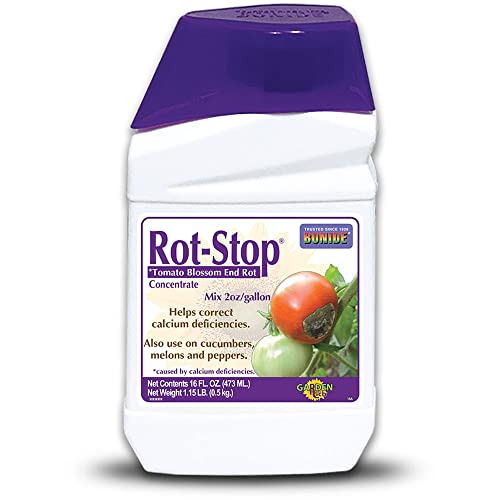
Bonide Rot-Stop focuses on correcting calcium deficiency to prevent blossom end rot. The concentrated liquid uses calcium chloride as its main active ingredient, delivering nutritional calcium to plants. It’s suitable for indoor and outdoor use and supports cucumbers, melons, and peppers alongside tomatoes. Application timing is key—apply during active growth to help prevent fruit disorder and support steady development. Use as directed for best results and to minimize leaf burn risk in intense sun conditions.
Calcium Nitrate 15.5-0-0

This water-soluble greenhouse-grade formula provides 19% calcium and 15.5% nitrogen to boost leafy growth while addressing calcium needs in tomatoes. It’s designed for hydroponics, greenhouse vegetables, and indoor gardens, reducing the risk of calcium deficiency in dense planting schemes. The product emphasizes purity and high solubility to prevent residue or oily film in irrigation systems. Suitable for dedicated calcium management when rapid uptake is needed, especially in compact or controlled environments.
Burpee Organic Tomato & Vegetable Granular Plant Food

Burpee’s organic granules provide an easy-to-use option with sustained nutrient release. The formula aims for long-lasting results across tomatoes and vegetables, helping maintain consistent growth through the season. While it includes a broad nutrient mix, calcium presence supports blossom end rot prevention by contributing to structural strength of developing fruit. The product is convenient for traditional soil gardens and raised beds, especially for gardeners seeking an organic option with delayed-release action.
Espoma Tomato-Tone 3-4-6 with 8% Calcium

Espoma Tomato-Tone blends organic ingredients with a Bio-Tone formula and adds 8% calcium to help prevent blossom end rot. It’s designed for regular use every two weeks through the growing season. Apply around the drip line and water deeply for best absorption. The product is environmentally friendly, with no sludges or toxic ingredients, making it a solid option for organic tomato cultivation alongside other vegetables.
Grow More Maxi-Cal

Maxi-Cal is a concentrated calcium nitrate option with 10% calcium and 0% potassium. It also includes nitrogen to support rapid growth and helps prevent blossom end rot. The product is positioned for tomatoes and other fruiting crops, offering targeted protection against calcium-related disorders while promoting strong foliage and fruiting vigor. Ideal for gardeners who want a dual-action fertilizer that supports both calcium uptake and quick vegetative growth.
Buying Guide: Key Purchase Considerations
- Formulation type: Liquid, granular, or soluble powders affect application method and speed of nutrient uptake. Liquid forms work quickly; granular and soluble powders provide longer-lasting effects or easier storage.
- Delivery method: Soil-based amendments rely on root uptake; hydroponic or greenhouse systems benefit from water-soluble formulas for fast absorption.
- Calcium source: Some products use calcium nitrate, calcium chloride, or calcium carbonate. Calcium nitrate supplies nitrogen as well, while calcium chloride is often quick-acting but can be more aggressive in sensitive plants.
- Compatibility: Consider existing fertilization plans. If using nitrogen-heavy feeds, a product with balanced N and Ca can prevent nutrient imbalances.
- Organic vs. synthetic: Organic options may be preferable to gardeners seeking natural inputs, though they may show slower results or require longer-term application planning.
- Application timing: Start calcium supplementation before fruit set or at first signs of blossom end rot. Follow label instructions for intervals to avoid over-fertilization.
- Garden scale: For large beds, granular or organic blends may be more practical; for containers or hydroponics, soluble calcium formulations generally work best.
- Safety and storage: Keep products sealed and away from children or pets. Some formulations may have storage requirements to maintain effectiveness.
- Environmental considerations: Opt for products that minimize environmental impact and avoid hazardous runoff where possible.
In summary, selecting the right calcium product depends on your growing method, whether you need rapid uptake or sustained release, and how much you’re cultivating. The five options above cover common scenarios—from quick-acting liquid treatments to organic, long-lasting granular feeds—helping you protect tomato yields and improve fruit quality across indoor and outdoor environments.