
Camping and outdoor adventures benefit from reliable, portable power. A camping solar generator combines a battery, inverter, and solar charging in one compact unit, helping you power lights, phones, CPAP machines, and small appliances off-grid. This guide reviews top options, comparing capacity, portability, charging speed, and output variety to help you choose which model fits your next trip.
Summary of chosen products:
| Product | Brand | Battery | Output (AC/USB) | Weight |
|---|---|---|---|---|
| Jackery Solar Generator 300 | Jackery | 293Wh | 2 AC outlets, multiple USB | 7.1 lb |
| APOWKING 300W Portable Power Station | Apowking | 220Wh | 2x110V AC, USB ports | 5 lb |
| BROWEY 1600W Portable Power Station | BROWEY | 1024Wh | 8 ports, 300W AC | ~15 lb |
| Anker SOLIX C300 | Anker | 288Wh | 3 AC, USB-C, USB-A | ~8 lb |
| UDPOWER C400 Solar Generator Kit | UDPOWER | 256Wh | 400W AC, 60W USB-C, multiple ports | ~6.5 lb |
Jackery Solar Generator 300 Review

The Jackery Solar Generator 300 combines a compact lithium battery with a 100W solar panel for quick, edge-of-grid charging. With 293Wh of capacity, it supports two Pure Sine Wave AC outlets delivering up to 300W continuous power, making it suitable for essential electronics, small appliances, and devices during outdoor trips. Its 7.1-pound weight and thoughtful mix of ports keep it portable for car-camping or RV stops. It can accept rapid wall charging, USB-C PD fast charging, and car-adapter recharging, which minimizes downtime between uses.
Key features align with off-grid needs: fast recharge 80% in about 2 hours via wall and PD USB-C, multiple ports (AC, USB-C, USB-A, and a DC car port), and a compact form factor. The design emphasizes safe, steady power with Pure Sine Wave inverters, helping sensitive electronics run smoothly on outdoor expeditions. For campers who want rapid recharging from solar or grid, this model offers a balanced package of capacity, weight, and charging speed.
APOWKING 300W Portable Solar Generator

The APowking solar generator kit emphasizes solar-powered charging on the road. It packages a 300W portable power station with a 40W solar panel, delivering a compact 220Wh capacity and seven output options, including 2x110V AC outlets (Pure Sine Wave) and multiple USB ports. The included solar panel helps maintain charge during outdoor stays, while the unit remains light enough for backpack-friendly outings. Its 8.5 x 6.7 x 4.1-inch footprint makes it easy to store in a vehicle or small camping setup.
With 7 outputs, you can run multiple devices at once, including small appliances or entertainment devices. The system supports simultaneous charging from solar and AC, reducing downtime between adventures. The battery management system ensures protection against overcharge and short circuits, which is beneficial when using diverse charging sources in outdoor environments. For campers who prioritize solar integration and a lightweight kit, this model offers a practical balance of power and portability.
BROWEY 1600W Solar Generator With Built-in Panels

BroWey’s design emphasizes high capacity and robust safety features. With 1024Wh of LiFePO4 energy storage and 1600W continuous output (3200W peak), this unit can power refrigerators, CPAP machines, and more during extended trips. The built-in solar panels and MPPT controller enable efficient solar charging, and the LiFePO4 chemistry provides long cycle life for repeated camping seasons. The system includes multiple outlets (AC, DC, USB-C PD) to support a wide array of devices while maintaining a stable power supply in off-grid settings.
For campers who need longer runtimes and reliable performance, the 8-port setup offers flexibility for charging several devices in parallel. The LiFePO4 battery delivers longevity and safety, while the high surge tolerance helps with startup loads. This model is well-suited for campers who expect to power larger equipment, small appliances, or longer camping stays without frequent recharges.
GRECELL 230.88Wh Portable Power Station
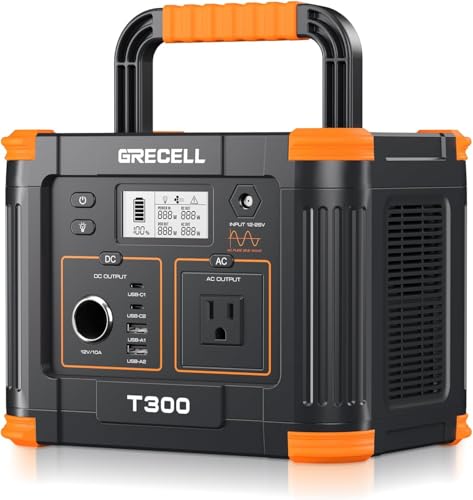
The GRECELL model emphasizes compact size and portability, offering 230.88Wh capacity with a 330W peak output. It provides USB-C PD and USB-A fast charging, plus a 110V pure sine wave AC outlet for essential small appliances. Weighing a compact amount, it is designed for quick trips, hiking, and van life where space matters. The combination of PD charging and multiple USB ports makes it a practical option for charging smartphones, tablets, laptops, and small devices on the go.
Its lightweight footprint makes it easy to carry on hikes or keep in a vehicle for emergencies. While the capacity is smaller than larger units, its efficiency and portability are attractive for weekend getaways or as a backup power source in a small living space. The included AC outlet broadens its usability for basic electronics and entertainment devices during camping trips.
UDPOWER C400 Solar Generator Kit

UDPOWER’s C400 kit blends a 256Wh LiFePO4 battery with a 40W foldable solar panel, offering 400W continuous power with 800W surge. The LiFePO4 chemistry supports high cycle life, and the included 40W panel facilitates off-grid charging in sunny conditions. The kit includes rich protection features and multiple ports, including AC outlets, USB-C, USB-A, and a car port, enabling a broad range of devices to stay powered during camping or emergencies. The design prioritizes portability while delivering substantial power for short to mid-length trips.
This option is particularly attractive for campers who want a complete solar charging setup in a single bundle. The build integrates high-output capability with a compact module and a foldable solar panel, enabling quick deployment at a campsite or a vehicle trunk. The safety features and LiFePO4 chemistry contribute to a durable option suitable for regular outdoor use.
Buying Guide: Key Purchase Considerations And Comparisons
When choosing a camping solar generator, consider capacity versus weight, port availability, charging speed, and battery chemistry. LiFePO4 batteries offer longer life and stability under repeated cycling, which matters for frequent campers. Capacity (measured in watt-hours) determines how long you can run devices between charges; higher capacity supports larger appliances but adds weight. Purposes vary—from charging phones and lighting to running a mini-fridge or CPAP machine—so match the output options to your device list.
Port variety matters for flexibility. Look for a mix of AC outlets and USB-C/USB-A ports, plus a car charger, to run laptops, cameras, and small appliances. Solar input compatibility and MPPT charging improve how quickly you recover power under sun. If solar is a priority, ensure the included panels or compatible external panels are efficient and durable. For travel, portability is essential; smaller units with foldable panels save space in backpacks or car trunks.
Reliability and safety are also critical. Pure sine wave inverters protect sensitive electronics, while BMS (battery management systems) safeguard against overcharging, overheating, and short circuits. For emergency readiness, consider units that support fast charging, multi-device simultaneous charging, and the ability to recharge from wall outlets, car outlets, or solar panels. Finally, assess total cost of ownership, including panel efficiency, warranty terms, and the expected lifespan of the battery under typical camping usage.