
Gnat problems can be persistent in homes and green spaces, especially where humidity and organic debris invite tiny pests. Carnivorous plants offer a natural, chemical-free approach to reducing gnats by trapping and digesting them. This guide highlights five reliable options that are beginner-friendly and effective for pest control, with practical care tips to keep them thriving.
| Product | Brand | Notes |
|---|---|---|
| Set of 2 Cape Sundews | Bellawood Horticulture | Two live sundews with pots and starter moss |
| Carnivorous Starter Pack | Savage Gardeners | Includes Sundew, Sarracenia, Flytrap varieties |
| Cape Sundew — 3" Pot | PET CAREE | Adult Drosera capensis in 3" pot |
| Cape Sundew Plant — 3" Pot | JoelsCarnivorousPlants | Includes detailed care sheet |
| GARDENWISE Carnivorous Plant Food | GARDENWISE | Liquid kelp foliar spray for carnivorous plants |
Set of 2 Cape Sundews | Drosera Capensis Live Carnivorous Plants

The Bellawood Horticulture Sundews provide two live Drosera capensis plants in a ready-to-grow kit. Sundews lure prey with sticky tentacles, capturing gnats and other small insects effectively in home environments. The kit includes two pots, long-fiber sphagnum moss, and a water tray, simplifying setup for beginners. Growth thrives under bright, indirect light with distilled or rainwater. This option emphasizes an easy introduction to carnivorous plants with a low-maintenance care routine and clear growing components, offering a practical solution for gnat control around houseplants or terrarium spaces.
Carnivorous Starter Pack

This starter pack blends three diverse carnivorous plant varieties selected for their resilience and pest-catching capabilities. The trio is described as beginner-friendly, increasing the likelihood of success for new collectors. The plants are noted to effectively capture gnats and other small arthropods, contributing to natural pest management in indoor spaces. The pack emphasizes simple care and a quick path to a thriving mini carnivorous garden without requiring extensive experience.
Cape Sundew – Drosera capensis
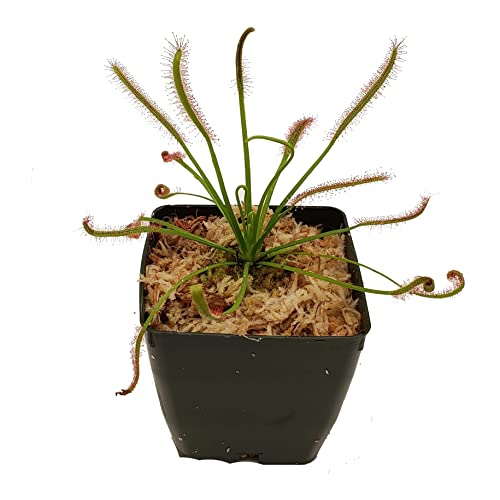
The Cape Sundew Drosera capensis offered in a 3-inch pot supplies a robust, adaptable carnivorous plant known for sticky glandular tentacles that trap small insects, including gnats. The product includes a 3-inch pot with sufficient New Zealand sphagnum moss to fill, aiding moisture retention and root health. With moderate light and consistent humidity, these sundews can establish a resilient presence in indoor setups, contributing to pest reduction while serving as an attractive green addition to windowsills or terrariums.
Carnivorous Cape Sundew (Drosera Capensis) Plant

This listing provides a healthy Cape Sundew (Drosera Capensis) plant in a 3-inch net pot, accompanied by a detailed caresheet. Capensis sundews are particularly effective against small flying insects like gnats, drawing prey with nectar and immobilizing them on dew-covered tentacles. The care sheet serves as a practical guide for new growers to establish and maintain a thriving sundew specimen in humidity-controlled indoor spaces, supporting low-maintenance pest management strategies.
GARDENWISE 100% Organic Marina Mist Carnivorous Plant Food

This liquid kelp-based fertilizer is designed for carnivorous plants, offering micronutrients that align with their nutrient-poor soil needs. The spray targets growth and vibrancy without relying on high-NPK formulations that can harm sensitive traps. While not a substitute for trapping prey, this product supports healthy trap development and coloration, contributing to a robust overall plant health that can enhance pest-capturing performance in sundews and other carnivorous varieties.
Perfect Plants Carnivorous Plant Soil
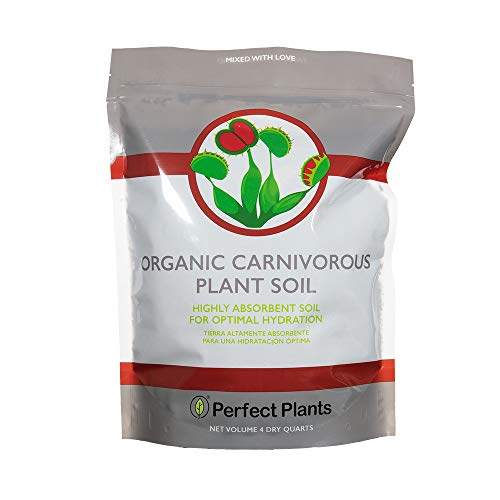
This 4-quart organic mix is tailored for carnivorous plants, offering ideal acidity and moisture control. The soil supports long-term health for plants like Venus flytraps, sundews, and pitcher plants, ensuring they remain in a nutrient-appropriate medium. Proper soil composition helps prevent root issues and supports consistent moisture, which is crucial for trap function and overall pest-control performance in indoor environments.
Buying Guide
Key purchase considerations when selecting carnivorous plants for gnat control:
- Plant type and predation: Sundews (Drosera) and Venus flytraps are among the most effective for catching gnats in living spaces. Beginners may prefer sundews for their easier care and lower light requirements.
- Light and humidity: Most carnivorous plants prefer bright, indirect light and higher humidity. Ensure your space can sustain consistent moisture without overwatering the roots.
- Pot and substrate: Pots with drainage and substrates like sphagnum moss or a specialized carnivorous mix help maintain moisture and root health. Avoid nutrient-rich soils that can harm them.
- Water quality: Use distilled or rainwater to prevent mineral buildup that can harm traps. Tap water often contains minerals that carnivorous plants dislike.
- Maintenance and care: Expect to remove dead leaves and monitor traps for efficiency. Do not overfeed; most plants gain nutrients from captured prey in their natural environment.
- Starter kits vs. individual plants: Starter kits simplify setup and provide multiple varieties for experiment and comparison, which can improve long-term pest control results.
- Longevity and growth: Some carnivorous plants may require repotting or division every couple of years. Plan for eventual pruning and refreshment of growing media.
- Safety and space: Consider the available space for a terrarium or display, especially in rooms with variable humidity and temperature.
For best results, pair carnivorous plants with good indoor hygiene: reduce standing water, minimize decaying organic matter, and keep a stable light source. Regularly inspecting traps and adjusting light exposure helps maintain robust insect-catching capabilities while preserving plant health.