
Carpenter bees can cause structural damage and frustrating infestations around homes and outdoor spaces. This guide highlights five effective repellents and control solutions, drawn from trusted brands. Each option targets carpenter bees with approaches ranging from repellents and foams to traps and deterrents, helping you choose the right method for your situation. The selections balance ease of use, coverage, and safety for families and pets while focusing on real-world performance.
| Product | Brand | Key Benefit |
|---|---|---|
| RESCUE! VisiLure TrapStik (2-Pack) | RESCUE! | Odor-free, chemical-free trapping of carpenter bees and other stinging insects |
| BioAdvanced Termite and Carpenter Bee Killer Plus | BioAdvanced | Foam that expands to fill cracks and kill wood-infesting pests |
| TERRO T1901SR Ready-to-Use Aerosol | Terro | Fast-acting spray with broad coverage and residual effect |
| Spectracide Carpenter Bee & Ground-Nesting Killer Foaming Aerosol | Spectracide | Foam that reaches hard-to-access nesting areas |
| Carpenter Bee Blocker Pro Traps | Carpenter Bee Blocker Pro | Multi-action traps and hole fillers to deter nests |
Note: The selections below focus on carpenter bee repellent and control methods suitable for American homes and yards, prioritizing products with proven effectiveness and broad availability.
RESCUE! VisiLure TrapStik for Wasps, 2-Pack
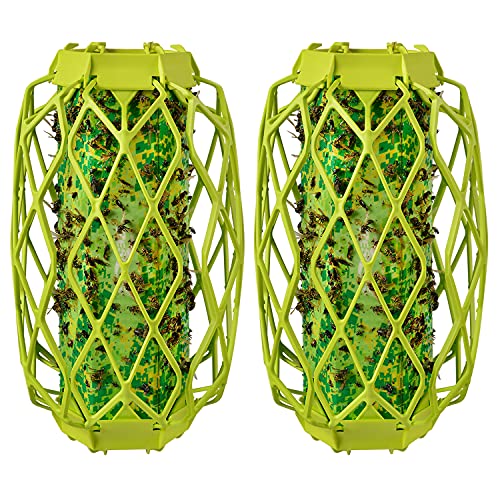
- Eliminate Wasps – VisiLure Traps attract and trap wasps, mud daubers, and carpenter bees with appealing colors and patterns.
- Choose VisiLure – Odor-free, chemical-free, and safe around non-target insects; catches queens and workers from spring through fall.
- Thoughtful Design – Glue Guards reduce non-insect catches, keeping the trap focused on target pests.
BioAdvanced Termite and Carpenter Bee Killer Plus, Foam
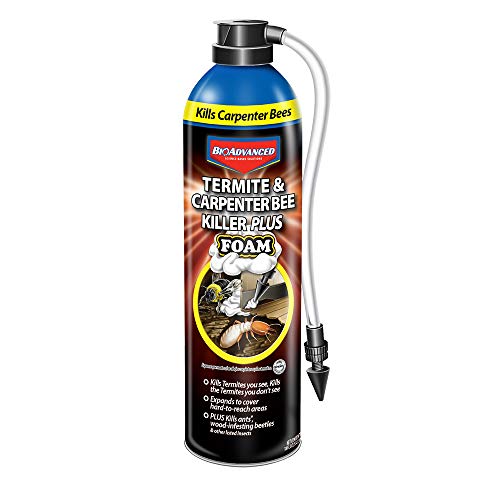
- TERMITE KILLER: Targets termites and other wood-infesting insects, including carpenter bees.
- INSECT KILLER: Broad action against wood-dwelling pests like ants and beetles.
- FOAM SPRAY: Expands to fill cracks, ensuring thorough coverage in concealed areas.
TERRO T1901SR Ready-to-Use Indoor/Outdoor Killer
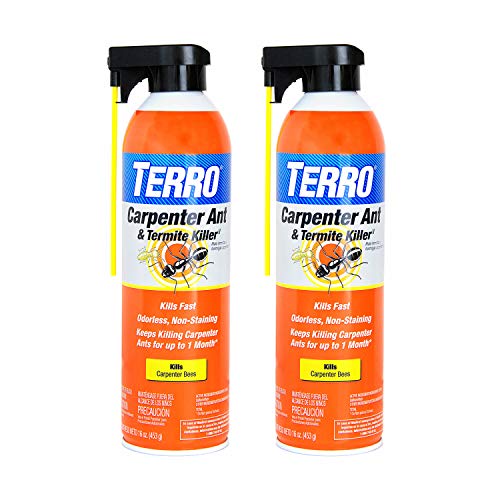
- Kills Wood-Infesting Insects – Effectively targets carpenter ants, termites, and carpenter bees.
- Fast Acting & Long Lasting – Kills on contact with residual control up to a month.
- Two-Way Nozzle – Broad applications or precision treatment in cracks and crevices.
Spectracide Carpenter Bee & Ground-Nesting Killer Foaming Aerosol

- Kills on contact with an effective surface spray and foam that expands into nests.
- Foam expands to reach hidden nests and entry points.
- Suitable for indoor and outdoor use to target ground-nesting and wood-infesting insects.
Carpenter Bee Blocker Pro Traps

- Powerful Carpenter Bee Traps for Outside & Wood Protection – Stainless steel mesh fits hole sizes to stop bees.
- Deterrent Capabilities – Patented mesh seals protect fascia, decks, and trim from pests.
- Fast Hole Filling – Includes install tool and extension pole adapter to seal hard-to-reach holes.
Buying Guide
Choosing the right carpenter bee solution depends on your goals and the structure you’re protecting. Consider the following perspectives to guide your decision:
- Active infestation vs. preventive deterrence: If you already see nests, foams and deadly aerosols provide immediate results, while traps and decoys help prevent future activity.
- Coverage area and accessibility: For large surfaces or hard-to-reach holes, foam formulations and professional-grade traps offer better reach. Indoor spaces may benefit from targeted sprays with safe, residual action.
- Safety and environment: Odor-free or chemical-free traps minimize exposure for families and pets. Always follow label directions for indoor use and ventilation requirements.
- Longevity and maintenance: Some treatments require repeat applications after a season, while traps provide ongoing deterrence with periodic checks.
- Combination approaches: A layered strategy—repellents to deter entry, foams to fill nests, and traps to catch stragglers—often yields the best results.
When selecting products, verify compatibility with local regulations and consider the specific nesting patterns in your area. For residences with extensive carpenter bee activity, using a combination of traps and fast-acting aerosols may offer the most comprehensive protection.