
For homeowners seeking fast, effective privacy without compromising yard aesthetics, selecting the right trees is essential. The following selections combine rapid growth, year-round cover, and adaptable size management to help you create natural borders quickly. Read on for concise product spotlights, plus a practical buying guide to compare options and align choices with your climate and landscape goals.
| Product | Main Benefit | |
|---|---|---|
| PERFECT PLANTS Thuja Green Giant 1 Gallon 5-Pack | Dense evergreen screening, up to 60 ft tall | Long-term privacy hedge or property border |
| Leyland Cypress | 10 Live Plants | Fast-growing evergreen for year-round privacy | Large-scale screens and windbreaks |
| American Pillar Arborvitae (Green Pillars) | Columnar, space-efficient privacy hedge | Narrow screens along fences or driveways |
| Hybrid Willow Cuttings | Very rapid initial growth, strong barrier | Fast visual/privacy hedge and noise barrier |
| River Birch Trees | Fast-growing with attractive bark and shade | Privacy and shade in mixed landscapes |
Thuja Green Giant 5-Pack: Dense Privacy Evergreen
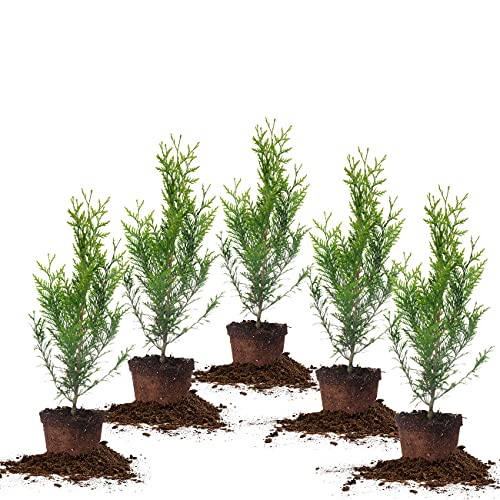
The Thuja Green Giant is widely regarded as a premier fast-growing privacy tree for many U.S. regions. This large evergreen offers dense, dark green foliage with a pleasant pine-like aroma when branches are broken. It grows with a broad, pyramidal base and can reach up to 60 feet tall and 20 feet wide over time. To maintain a tailored privacy screen, these evergreens respond well to pruning, allowing you to manage height and width as your landscape evolves. Ideal for long-term borders or screening near pools and patios, they provide a natural, year-round green backdrop with minimal annual upkeep.
Leyland Cypress: Fast Growing Privacy Trees
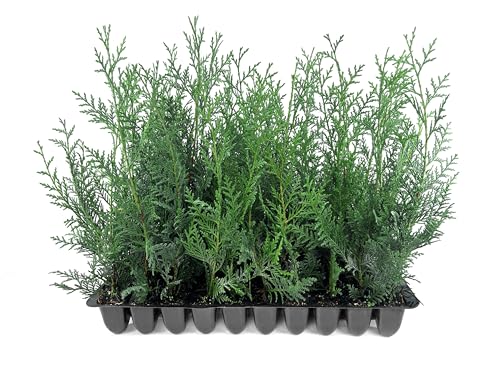
Leyland Cypress is a staple for rapid privacy screens and windbreaks, known for its vigorous growth and year-round evergreen foliage. These plants thrive in full sun and adapt to a broad range of soil types, making them suitable for many landscapes. When establishing a Leyland Cypress hedge, space plants about 6 to 8 feet apart and monitor for uniform growth. Regular watering during dry spells supports faster establishment, and light pruning helps sustain a dense, uniform screen as the hedge matures. This option is particularly effective for larger properties or where a tall privacy barrier is needed quickly.
Greenwood Nursery: American Pillar Arborvitae

American Pillar Arborvitae offers a narrow, columnar silhouette that creates an efficient privacy screen without overburdening space. This cultivar starts with rapid initial growth, and its compact form makes it ideal for driveways, fences, or narrow borders where a traditional broad hedge would be impractical. It remains evergreen throughout the year, delivering consistent color and structure. For best results, plant with sufficient spacing and provide consistent moisture during establishment. Regular mulching supports root health and resilience in varied climates.
Hybrid Willow Cuttings: Rapid Privacy Hedge
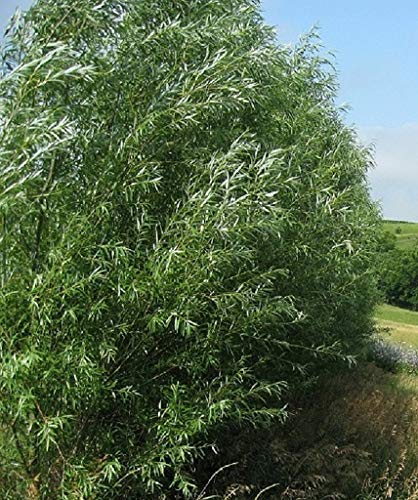
Hybrid Willow cuttings, often referred to as Aussie Willow, are among the fastest growing trees available. Reported growth can reach several feet in a single year, delivering rapid visual privacy and sound barriers. Cuttings typically arrive ready to root and can establish quickly in water or well-drained soil. Space plants about 3 feet apart for the densest screen, with a staggered second row to accelerate privacy. While they offer impressive early growth, plan for eventual shaping to align with yard aesthetics and local regulations regarding fast-growing species.
River Birch Trees: Fast-Growing Copper Birch

River Birch is known for its fast growth and distinctive exfoliating bark that provides visual interest across seasons. When planted in groups, birches offer a light, airy privacy screen that complements various landscapes. Birch trees adapt well to moist, well-drained soils and can contribute shade and seasonal color. They grow vigorously, but as with any fast-growing species, regular maintenance—such as pruning to encourage shape and to remove crossing limbs—helps maintain a healthy, uniform appearance over time.
Buying Guide: Key Considerations For Choosing Privacy Trees
- Growth rate and ultimate height: Balance rapid initial screening with long-term size to avoid future overgrowth or root competition with structures and utilities.
- Height vs. width: Consider narrow, columnar varieties for tight spaces and wide screens for expansive yards. Pruning capacity can influence final appearance.
- Climate compatibility: Select species suited to your USDA hardiness zone, soil type, and sun exposure to ensure healthy establishment and growth.
- Soil and moisture needs: Ensure adequate drainage and irrigation during establishment. Some species tolerate drought better than others; plan accordingly.
- Maintenance and pruning: Some trees require regular shaping for optimal privacy; others maintain a natural form with minimal pruning.
- Root systems: Be mindful of root spread near foundations, sidewalks, and underground utilities. Choose species with root characteristics appropriate to the planting site.
- Aesthetics and permanence: Evergreen screens provide year-round privacy, while deciduous options offer seasonal interest. Consider color, bark texture, and branching patterns.
- Health and pest resistance: Look for disease- and pest-resistant cultivars to reduce maintenance and prevent broader landscape issues.
When selecting trees for privacy, pairing fast initial growth with long-term fit to your landscape is key. Consider combining different species to create layered screens that evolve with changing light and weather conditions. Always follow local guidelines for planting distances, zoning, and water requirements to maximize success and maintain neighborhood aesthetics.