
Acid-loving plants thrive best in soil that stays slightly acidic. Choosing the right fertilizer helps these plants absorb nutrients more efficiently, promoting vibrant blooms and lush growth. Below is a curated guide of five reliable fertilizers tailored to azaleas, rhododendrons, hydrangeas, blueberries, camellias, and other acid-lovers. Each product includes a brief overview of its key features to help you compare at a glance.
Product Overview
| Product | Brand | Form | Key Benefit |
|---|---|---|---|
| Scotts Miracle-Gro Miracid Acid-Loving Plant Food | Scotts | Water soluble | Feeds through roots and leaves for quick results |
| Miracle-Gro Water Soluble Azalea, Camellia, Rhododendron Plant Food | Miracle-Gro | Water soluble | Instant feeding for multiple acid-loving plants |
| GARDENWISE 8-4-8 Acidic Fertilizer | GARDENWISE | Granular | Soil acidification and micronutrient support |
| Bloom City Acid-Loving Plant Fertilizer | Bloom City | Granular | Maintains acidic soil pH for better uptake |
| Down To Earth All Natural Acid Mix | Down To Earth All Natural Fertilizers | Granular | Low-pH blend for rhododendrons, azaleas, camellias |
The following sections spotlight five strong options that consistently support acid-loving ornamentals and edibles, with attention to feeding method, soil pH considerations, and practical usage notes for American gardens.
Scotts Miracle-Gro Miracid Acid-Loving Plant Food
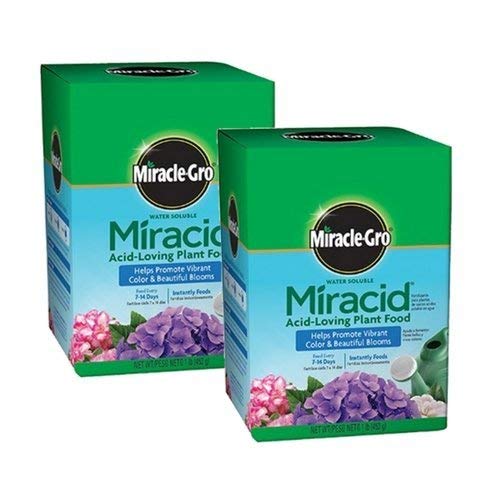
Miracle-Gro Miracid is a water-soluble fertilizer designed to feed acid-loving plants quickly. It provides nutrients that support azaleas, hydrangeas, and rhododendrons, promoting vigorous growth and vibrant blooms. The product’s dual-action approach feeds through both roots and leaves, helping plants absorb nutrients more efficiently and respond rapidly to feeding cycles. Use as directed during active growing seasons for best results.
Miracle-Gro Water Soluble Azalea, Camellia, Rhododendron Plant Food

This Miracle-Gro formula is a versatile solution for a range of acid-loving plants, including azaleas, camellias, rhododendrons, gardenias, hibiscus, hollies, hydrangeas, and even orchids. The water-soluble feed is designed for instant uptake, making it suitable for both indoor and outdoor applications. It is particularly convenient for potted plants and containers that require regular feeding to maintain color and vigor.
GARDENWISE 8-4-8 Acidic Fertilizer

GardenWise 8-4-8 is formulated to support acid-loving plants with essential nutrients, including magnesium, iron, and manganese, to prevent chlorosis and promote robust growth. Beyond feeding, it acts as a soil acidifier to maintain optimal pH conditions for azaleas, rhododendrons, hydrangeas, and other acidophilic species. The product also touts a bio-solid component that introduces beneficial microbes to the soil, aiming to enhance soil health over time. Application should align with plant growth cycles for best long-term results.
Bloom City Acid-Loving Plant Fertilizer
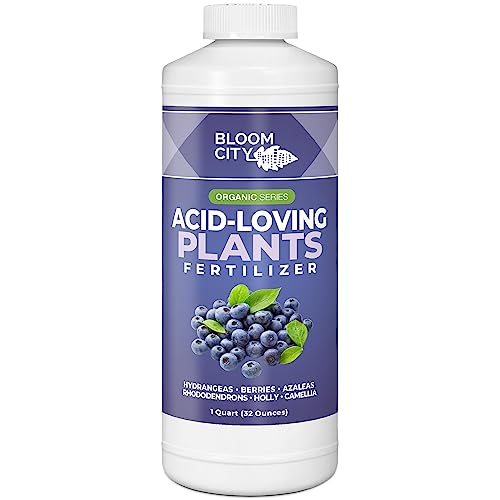
Bloom City’s formula emphasizes maintaining a slightly acidic soil environment conducive to azaleas, rhododendrons, blueberries, and related plants. The product contains succinic acid components to optimize soil acidity, improving nutrient uptake and overall plant health. It is suitable for both garden beds and containers, helping gardeners sustain peak performance in acid-preferring species.
Down To Earth All Natural Acid Mix

Down To Earth All Natural Acid Mix is crafted specifically for acid-loving plants, including rhododendrons, azaleas, camellias, hydrangeas, evergreens, and blueberries. This organic fertilizer aims to support low-pH needs, encouraging lush blooms and fruit when applied during early spring and at bloom time. It is particularly favored by gardeners seeking a natural option with a balanced nutrient profile and a focus on soil health.
Buying Guide: Key Purchase Considerations
- Soil pH management: For many acid-loving plants, maintaining a slightly acidic soil pH (typically around 5.0–6.0) is critical. Some formulas include components that actively lower pH, while others provide direct nutrient support for uptake at existing pH levels.
- Feeding method: Water-soluble or quick-dissolving formulas deliver nutrients rapidly, which benefits container plants or stressed specimens. Granular blends require watering in and can provide longer feeding cycles, suitable for garden beds.
- Micronutrient balance: Look for iron, magnesium, and manganese, which help prevent chlorosis and support deep green foliage and abundant blooms in acid-loving species.
- Soil health: Some products include microbial or organic components intended to improve soil biology, which can boost nutrient availability over time. Organic or bio-based options may appeal to those prioritizing sustainability.
- Plant compatibility: Check that the formula supports azaleas, rhododendrons, blueberries, camellias, hydrangeas, and other plants you grow. Indoor and outdoor usage considerations can differ, especially for potted specimens.
- Application timing: Align feeding with the plant’s growth cycles. Spring feeding generally supports budding and early bloom, while some products allow for continued feeding through the season without over-fertilizing.
- Safety and soil impact: Some products explicitly act as soil acidifiers, while others supply nutrients without altering pH as aggressively. If your soil is already acidic, you may prefer a formula focused on nutrient delivery rather than pH modification.
Additional Considerations: Perspectives On Use
For container plants, water-soluble formulations can be convenient, enabling precise dosing and quick response. Garden beds may benefit from slow-release or granular fertilizers, which provide steady nutrient delivery over weeks. If soil pH is a primary concern, choosing a product that explicitly supports soil acidification can be advantageous, but monitor the soil periodically to avoid unintended pH shifts. Organic options emphasize soil biology and sustainability, though they may work more gradually than synthetic blends. In all cases, follow label directions to minimize fertilizer burn and environmental impact.
Notes On Usage And Safety
- Always read product labels for dosage, application frequency, and safety warnings.
- Avoid applying fertilizers to dry roots; water thoroughly after feeding to help distribute nutrients evenly.
- For guaranteed results, test your soil pH and adjust your fertilization plan to match the needs of your particular plants and climate.
- Keep fertilizers out of reach of children and pets, and store in a cool, dry place.