
Azaleas, rhododendrons, and other acid-loving plants thrive with the right balance of soil acidity and nutrients. The following fertilizers are tailored to boost blooms, improve foliage color, and support healthy root growth in azaleas and rhododendrons. This guide highlights top options, from water-soluble feeds to slow-release formulations and organic blends, helping you choose the best feed for your garden or indoor containers.
| Product | Type | Key Benefit |
|---|---|---|
| Water-soluble | Instant feeding for acid-loving plants | |
| GARDENWISE 8-4-8 Acidic Fertilizer | Granular | Soil acidifier with iron for chlorosis prevention |
| Jobe’s Garden Fertilizer Spikes | Spike fertilizer | Slow-release, easy application |
| Schultz Azalea, Camellia, Rhododendron ACR 14-7-7 | Slow-release | Balanced NPK with gradual release |
| Espoma Organic Holly-Tone 4-3-4 | Organic | Long-lasting, soil-friendly organic formula |
Miracle-Gro Water Soluble Azalea, Camellia, Rhododendron Plant Food

Miracle-Gro’s water-soluble formula is designed for acid-loving plants, delivering quick-feeding results to azaleas, camellias, rhododendrons, and other ornamentals. It’s formulated to dissolve rapidly in water, making it easy to apply through a watering can or irrigation system. This option is popular for indoor container arrangements as well as outdoor foundation plantings, helping plants respond quickly to feeding with vibrant foliage and plentiful blooms.
GARDENWISE 8-4-8 Acidic Fertilizer

GARDENWISE 8-4-8 is an iron-rich, acidic fertilizer designed to support bloom-rich growth in azaleas, camellias, rhododendrons, and hydrangeas. It doubles as a soil acidifier, helping plants thrive in sometimes-neutral soils. The product also features a bio-solid component with live microbial life, intended to improve soil health and support nutrient availability for acid-loving plants over time. This makes it a compelling choice for gardeners seeking both immediate color and longer-term soil vitality.
Jobe’s Garden Fertilizer Spikes

Jobe’s Garden Fertilizer Spikes provide a convenient, slow-release solution for acid-loving plants. Each spike is designed to feed around the root zone with a balanced 9-8-7 NPK ratio, supporting abundant blooms and healthy foliage. The spikes reduce the risk of runoff and overwatering, and the packaging emphasizes low maintenance—ideal for gardeners who prefer a simple, hands-off approach during the growing season.
Schultz Azalea, Cameillia, Rhododendron ACR 14-7-7
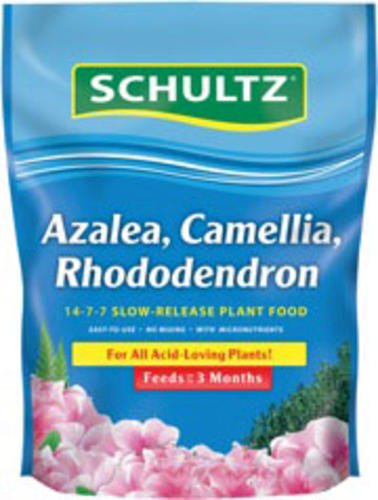
Schultz ACR 14-7-7 provides a balanced, slow-release formulation specifically labeled for azaleas, camellias, and rhododendrons. The no-mixing-required granules simplify feeding, delivering nutrients gradually to support steady growth and extended blooming periods. This product is suitable for both established plantings and flowering shrubs in mixed borders, making it a versatile option for many landscapes.
Espoma Organic Holly-Tone 4-3-4

Espoma Holly-Tone is the original organic fertilizer designed for acid-loving plants. The 4-3-4 analysis with 5% sulfur supports a slow-release feeding cycle, making it ideal for azaleas, rhododendrons, hydrangeas, and other plants that thrive in acidic soils. It’s a long-standing favorite among gardeners seeking environmentally safe, organic nutrition with steady performance over multiple growing seasons.
Buying Guide: Key Purchase Considerations
- Soil pH compatibility: Acidic-loving plants perform best in slightly acidic soils. Choose products that include soil acidifiers or sulfur components if your garden tests indicate alkaline or neutral conditions.
- Feeding frequency: Slow-release formulas (e.g., spikes or granular blends) are convenient and reduce risk of over-fertilization. Water-soluble feeds provide quick results but may require more frequent applications.
- Organic vs. synthetic nutrients: Organic fertilizers improve soil structure and health over the long term, while synthetic feeds can deliver rapid color and growth responses. Consider your gardening priorities and any local regulations on organic labeling.
- Ease of use: Spikes and ready-to-use mixes reduce mixing steps and mess. For containers, water-soluble or quick-dissolving options may be preferable for consistent feeding.
- Safety and environmental impact: Look for products with clear labeling on pet and human safety, especially for homes with children or pets. OMRI-listed options indicate organic compatibility, which may appeal to organic gardeners.
- Plant compatibility: Verify labeling for azaleas, rhododendrons, camellias, and other acid-loving plants to ensure the fertilizer is formulated for your target species.
- Seasonal timing: Many acid-loving plants benefit from feeding in early spring and again in late summer or fall, depending on climate. Follow label directions for optimal results.
In practice, combining a quick-acting feed for color bursts (such as Miracle-Gro’s water-soluble option) with a long-term soil conditioner (like Espoma Holly-Tone) can cover both immediate display and sustained health. For gardeners focusing on low-maintenance options, spike fertilizers (Jobe’s) and slow-release blends (Schultz) offer dependable, steady nourishment with minimal daily attention. If soil tests reveal chlorosis or poor color, iron-enriched formulas (as in GARDENWISE) can help restore vibrancy in acid-loving shrubs.