
Drift roses bring spreading color to borders and containers, but they need the right nourishment to maintain vigorous blooms and sturdy roots. The following fertilizers are designed to feed roses and flowering plants, support steady nutrient release, and help protect against common problems. This guide highlights five top options, including organic and synthetic blends, to match different gardening styles and soil conditions. Use the provided links to compare products, read labels, and choose an option that aligns with your drift rose goals.
| Product | Brand |
|---|---|
| Scotts Rose & Bloom Continuous Release Plant Food, 3 lb | Scotts |
| BioAdvanced All-In-One Rose and Flower Care Fertilizer, Granules, 4 lb | BioAdvanced |
| Miracle-Gro Water Soluble Rose Plant Food, 1.5 lb | Miracle-Gro |
| Espoma Organic Rose-Tone 4-3-2 Organic Fertilizer (4 lb Bag) | Espoma |
| Jobe’s Organics Granular Rose Fertilizer, 4 lb | Jobe’s Organics |
Scotts Rose & Bloom Continuous Release Plant Food

Scotts Rose & Bloom is a continuous-release granular formula designed to feed roses, annuals, and perennials for up to two months. It supports steady blossom production and strong root development, delivering nutrients gradually to minimize fertilizer burn. The product is well-suited for drift roses that require consistent nourishment through the growing season, helping to maintain vibrant blooms with less maintenance. Apply according to package directions and water thoroughly after spreading.
BioAdvanced All-In-One Rose and Flower Care Fertilizer
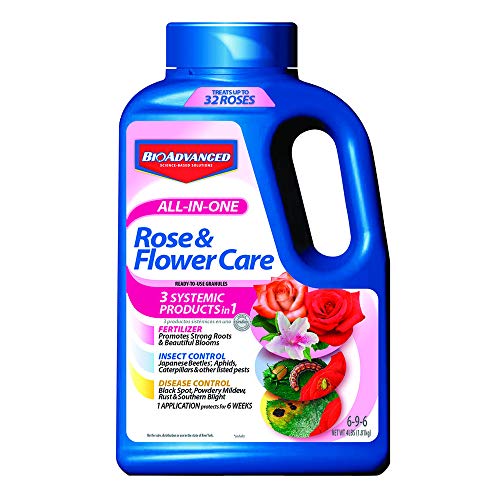
BioAdvanced All-In-One Rose and Flower Care blends plant nutrition with a built-in pest and disease shield. This granulated formula supports robust root systems and vibrant blooms while aiming to reduce common issues like aphids and black spot. It combines feeding with protection, making it a practical option for drift roses in mixed borders. Follow label directions for timing and application depth to maximize uptake and minimize runoff.
Miracle-Gro Water Soluble Rose Plant Food

Miracle-Gro Rose Plant Food dissolves instantly in water, delivering nutrition quickly to roses and other flowering plants. With regular feedings every 7 to 14 days, this product supports rapid growth and larger, more decorative blooms. It suits drift roses planted in sunny beds or containers where frequent care is feasible. Ensure you dissolve completely and water after feeding to avoid leaf burn in hot conditions.
Espoma Organic Rose-Tone 4-3-2
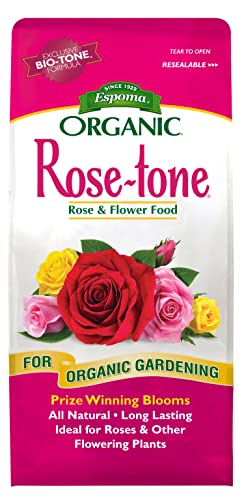
Espoma Rose-Tone is an organic fertilizer specially formulated for roses, including drift varieties. It features a balanced 4-3-2 NPK with calcium and a Bio-tone soil probiotic that supports microbial health. The ready-to-use granules simplify seasonal feeding; apply monthly during the growing season around the drip line and water well. This option appeals to gardeners seeking to minimize synthetic inputs while sustaining bloom vigor.
Jobe’s Organics Granular Rose Fertilizer

Jobe’s Organics offers 100% organic fertilizer grains, designed to feed roses and other flowering shrubs with a 3-4-3 NPK ratio. The formulation emphasizes reduced runoff and a clean application that aligns with organic gardening practices. It’s a good fit for drift roses in organic or low-spray landscapes, helping to promote abundant blooms while maintaining soil health. Follow product directions for best results and avoid over-application near roots.
Buying Guide
Key purchase considerations for drift roses include nutrient type, release timing, and environmental impact. Choose a product with a nutrient release pattern that matches your watering schedule and climate; see whether a slow-release or quick-dissolving formula fits your routine. Organic options, like Espoma Rose-Tone or Jobe’s Organics, support soil biology and appeal to gardeners seeking sustainable practices. Synthetic blends, such as Miracle-Gro and Scotts, often provide fast-acting results and predictable feeding intervals, ideal for beds and containers with regular maintenance. Pest and disease components may be included in some products, offering extra protection for roses prone to black spot or aphids.
Another consideration is soil type and plant maturity. young drift roses in light, sandy soils may benefit from extended-release formulas to avoid nutrient burn, while established shrubs in rich soil may respond well to balanced feeds with micronutrients. Always read the label for application rates, frequency, and compatibility with other lawn or garden products. When possible, conduct a soil test to tailor feeding to present nutrient levels and to prevent over-fertilization. Finally, consider sustainability preferences, such as organic formulations or products with reduced packaging waste, to align with broader garden management goals.