
Choosing the right hibiscus fertilizer can help maximize flowering, leaf health, and overall vigor. This guide highlights five top options, detailing how each addresses hibiscus needs—from growth spurts to bright, vibrant blooms. The selections cover slow-release and liquid formulas, commercial blends, and plant-specific nutrients to fit different growing setups, whether in pots or in the ground.
| Product | Brand | Type | Notes |
|---|---|---|---|
| BGI HIBISGAIN 2lb Bag | BGI Fertilizers | Granular Hibiscus Fertilizer | Formulated for hibiscus, top-dressing, no mixing required |
| Hibiscus Fertilizer for Tropical and Flowering Plants, Liquid | TPS NUTRIENTS | Liquid Plant Food (8 oz) | Liquid formula for tropical flowering plants |
| Carl Pool Hibiscus Plant Food 10-4-12 | Carl Pool | Granular Plant Food | Scientifically formulated for optimum growth |
| SouthernGRO Hibiscus & Tropical Plant Food 4lb | SouthernGRO | Granular Plant Food | Fast-acting, enhances size, color, and quality |
| Nelson Plant Food NutriStar Hibiscus Fertilizer | Nelson Plant Food | Granular Plant Food | Low maintenance, slow-release, supports blooms |
BGI HIBISGAIN 2lb Bag, Hibiscus Fertilizer

BGI HIBISGAIN is tailored to hibiscus with a formulation developed by commercial growers in Homestead, Florida. This granular option is designed for direct top-dressing on soil or mulch, eliminating the need for mixing. It supports hibiscus-specific growth patterns, encouraging robust foliage and vibrant blooms. This product is positioned as a convenient, ready-to-use choice for both seasoned hibiscus enthusiasts and casual gardeners seeking reliable results with minimal preparation.
Hibiscus Fertilizer for Tropical and Flowering Plants (Liquid)

This 8-ounce liquid hibiscus fertilizer is designed specifically for tropical and flowering plants. Liquid formulas can deliver immediate nutrient availability, supporting rapid uptake in actively blooming hibiscus. It’s suitable for both potted hibiscus and garden shrubs, and users can adjust feeding intervals to match growth stages or bloom cycles. While convenient, it may require more frequent applications than slow-release granular options.
Carl Pool Hibiscus Plant Food 10-4-12
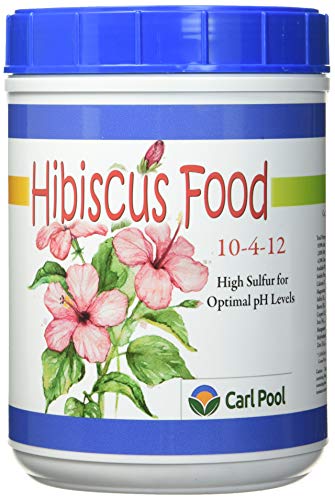
Carl Pool Hibiscus Plant Food features a balanced 10-4-12 NPK ratio designed to support robust vegetative growth and prolific flowering across hibiscus varieties. Sold on Amazon, this option emphasizes scientific formulation aimed at optimum plant performance. The product is suitable for all hibiscus varieties and can be used in both containers and garden beds, contributing to steady nutrient availability throughout the growing season.
SouthernGRO Hibiscus & Tropical Plant Food
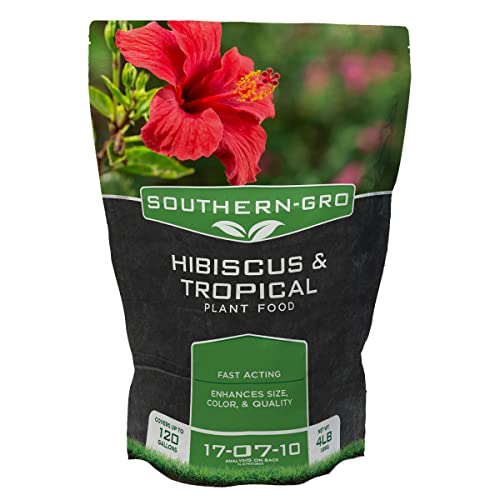
SouthernGRO Hibiscus & Tropical Plant Food is a fast-acting granular formula with a blend tailored to hibiscus blossoms and tropical foliage. Its nutrient mix aims to enhance bloom size, color, and overall plant quality. Gardeners can appreciate quicker results for seasonal flowering, though users should monitor soil conditions and adjust feeding to avoid nutrient buildup in containers or sandy soils.
Nelson Plant Food NutriStar Hibiscus Fertilizer

Nelson Plant Food NutriStar Hibiscus Fertilizer emphasizes a slow-release nitrogen formula, reducing the need for frequent feeding while delivering essential nutrients over time. Its formulation includes higher potassium to support flowering and overall hardiness, with added calcium, iron, and magnesium to promote strong roots and chlorophyll production. This option suits homeowners seeking low-maintenance, steady feeding for tropical hibiscus plants.
Buying Guide: Key Considerations For Hibiscus Fertilizers
- N-P-K Ratio and micronutrients: Hibiscus typically benefits from balanced or slightly higher phosphorus and potassium to promote bloom development and root health. Look for products with micronutrients like iron, magnesium, and calcium to support strong foliage and vibrant flowers.
- Form: Granular vs. liquid. Granular formulas are convenient for slow-release feeding and longer intervals, while liquid products provide rapid nutrient availability, useful during peak blooming or stressing periods.
- Application method: Some fertilizers are top-dressed on soil or mulch; others are mixed into water or soil. Choose based on container size, root depth, and maintenance preference.
- Frequency and maintenance: Slow-release fertilizers generally require fewer applications, whereas liquid nutrients may require more frequent feeding. Consider your gardening routine and the plant’s growth stage.
- Soil and pH considerations: Hibiscus prefer slightly acidic to neutral soil. Ensure the fertilizer’s nutrients align with soil pH, and adjust with soil amendments if needed.
- Bloom timing and growth stage: For plants in active bloom, a fertilizer higher in potassium can support flower size and color. During active vegetative growth, nitrogen-focused feeds may promote lush foliage.
- Container vs. ground: Potted hibiscus can benefit from more frequent, smaller feedings due to limited root volume. Ground plantings may require less frequent feeding but broader nutrient coverage.
- Organic vs. synthetic: Organic options support longer-term soil health but may release nutrients more slowly. Synthetic formulas provide precise nutrient ratios and faster results but require careful dosing to avoid salt buildup.
- Safety and labeling: Follow manufacturer directions to prevent fertilizer burn. Keep fertilizers away from children and pets, and water thoroughly after application where appropriate.
Selecting the right hibiscus fertilizer depends on your growing conditions, whether you prefer liquid or granular formulas, and how actively your plants are blooming. The products listed here cover a range of formulations and feeding strategies to help hibiscus thrive in American gardens and patios.