
Rhododendrons and azaleas thrive when fed with a fertilizer tailored to their acid-loving roots. The right blend supports lush foliage, abundant blossoms, and long-term soil health. Below is a curated guide to five top options that balance nitrogen, phosphorus, and potassium, while addressing soil acidity and micronutrients essential for rhododendrons, camellias, and other acid-loving plants.
Summary Table
| Product | N-P-K | Special Focus |
|---|---|---|
| Schultz Azalea, Cameillia, Rhododendron, ACR 14-7-7 Slow Release Plant Food | 14-7-7 | Slow-release, low-maintenance feeding |
| GARDENWISE 8-4-8 Acidic Fertilizer | 8-4-8 | Soil acidification, iron-rich for chlorosis prevention |
| Miracle-Gro Water Soluble Azalea, Camellia, Rhododendron Plant Food | Not specified on label | Instant feeding for acid-loving plants |
| Jobe’s Garden Fertilizer Spikes (10 Count) | 9-8-7 | Spikes reduce runoff; simple seasonal feeding |
| Espoma Organic Holly-Tone 4-3-4 | 4-3-4 | Organic, long-lasting release; supports acid-loving plants |
Schultz Azalea, Cameillia, Rhododendron Food
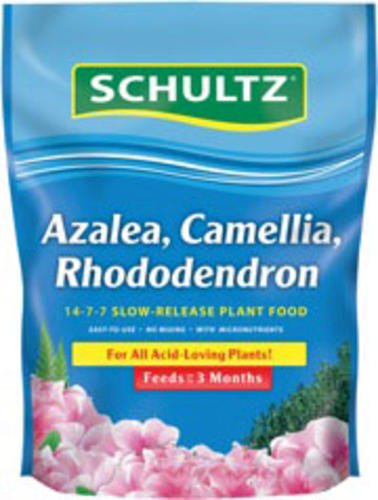
Schultz Azalea, Cameillia, Rhododendron ACR 14-7-7 Slow Release Plant Food provides a balanced blend designed for acid-loving shrubs. The 14-7-7 ratio supports steady vegetative growth and flowering, while the slow-release formulation minimizes the risk of root burn and reduces the need for frequent applications. It’s formulated for azaleas, rhododendrons, and camellias, making it a straightforward choice for mid-season feeding without mixing. This product is especially convenient for gardeners who want a simple, reliable schedule to promote vibrant blooms and healthy foliage in acidic soils.
GARDENWISE 8-4-8 Acidic Fertilizer

GARDENWISE 8-4-8 is tailored for acid-loving plants, including rhododendrons, azaleas, camellias, hydrangeas, blueberries, and magnolias. It includes essential micronutrients such as magnesium and iron to address chlorosis and promote lush green growth. The product doubles as a soil acidifier to help maintain the lower pH rhododendrons prefer, supporting better nutrient uptake. Its bio-solid base adds beneficial microbial content, contributing to soil health over time. This makes it a strong choice for gardeners dealing with neutral to slightly alkaline soils.
Miracle-Gro Water Soluble Azalea, Camellia, Rhododendron Plant Food

Miracle-Gro Water Soluble Azalea, Camellia, Rhododendron Plant Food delivers quick, visible results by instantly feeding acid-loving plants. The water-soluble formula allows precise dosing and rapid uptake, which can be beneficial during transitional periods or reblooming cycles. It’s suitable for indoor potted specimens and outdoor plantings alike, making it a flexible option for mixed plantings in beds, borders, and containers. Gardeners seeking fast results without mixing may find this product appealing for timely bloom enhancement.
Jobe’s Garden Fertilizer Spikes (10 Count)

Jobe’s Garden Fertilizer Spikes provide a convenient, low-maintenance feeding option for acid-loving plants. The 9-8-7 NPK formulation targets bloom production and robust growth while minimizing runoff and job-site mess. Spikes are designed for root-zone application, delivering nutrients directly where rhododendrons and related species absorb them. The product is ideal for gardeners who prefer a hands-off approach, applying spikes every 4-6 weeks during the growing season to sustain continuous flowering and healthy foliage.
Jobe’s Organics Granular Fertilizer

Jobe’s Organics Granular Fertilizer provides an all-natural option for azaleas, camellias, rhododendrons, and other acid-loving plants. This 4-pound bag contains organic plant food without synthetic chemicals and is OMRI-listed for organic gardening by the USDA. For gardeners prioritizing organic inputs, it offers a steady, long-term nutrient release that supports soil health while delivering bloom-friendly nutrition over time. It suits organic beds or container plantings and pairs well with other soil-building practices.
Dr. Earth Acid Lovers Azalea, Camellia, Rhododendron & Maple Fertilizer
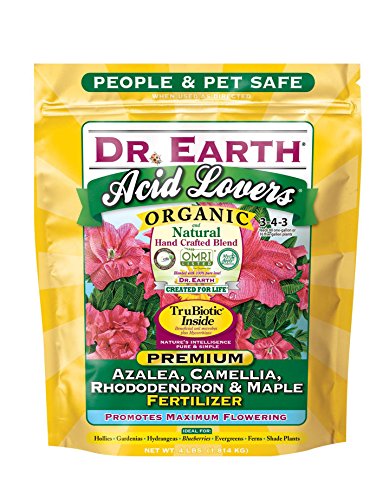
Dr. Earth’s Acid Lovers formula emphasizes non-GMO inputs and pet-safe, human-safe ingredients. It is designed for acid-loving species, including rhododendrons and maples, and includes minerals, proteins, carbohydrates, and humic substances to enrich soils. This option targets sustainable soil health with multi-mineral support and trace elements, aiming to foster robust root systems and broad bloom displays without synthetic additives. It’s a viable choice for environmentally conscious gardeners seeking a holistic approach.
Espoma Organic Holly-Tone 4-3-4

Espoma Holly-Tone is the original organic option designed for acid-loving plants, including rhododendrons and hydrangeas. Its 4-3-4 analysis is combined with sulfur to help maintain soil acidity and support long-lasting nutrient availability. The product uses Bio-tone beneficial microbes to improve soil health over time and emphasizes slow, steady release to reduce the risk of burn and leaching. For gardeners preferring organic, sustainable inputs, Holly-Tone provides a trusted, time-tested approach to growth and flowering.
Down To Earth All Natural Acid Mix

Down To Earth All Natural Acid Mix is crafted for plants that require a low pH, including rhododendrons, azaleas, camellias, and blueberries. The 4-3-6 profile supports flowering and overall vigor when applied in early spring and during bloom periods. It also suggests fall applications to promote root growth and cold tolerance, catering to gardeners who want a year-round strategy for maintaining soil acidity and plant resilience in variable climates.
Buying Guide: Key Purchase Considerations and Comparisons
- Soil pH and micronutrient balance: For acid-loving rhododendrons, look for formulas that include magnesium, iron, and manganese to combat chlorosis and promote strong flowering. Some products also act as soil acidifiers to maintain the optimal pH range.
- N-P-K ratio and release mechanism: Decide between quick-acting (water-soluble) versus slow-release formats. Slow-release options reduce the risk of overfeeding and deliver nutrients over time, while soluble forms offer fast results for reblooming or stress recovery.
- Organic vs synthetic: Organic products (like Espoma Holly-Tone, Jobe’s Organics) emphasize slow nutrient release and soil health, suitable for eco-conscious gardeners. Synthetic blends (like Schultz 14-7-7) can be more predictable and convenient for established feeding schedules.
- Application method and convenience: Spikes, granules, and liquids each have pros. Spikes target root zones with minimal mess, granules provide gradual feeding, and liquids offer precise timing for rapid uptake.
- Plant safety and site considerations: If pets or children frequent the garden, prioritize non-toxic or pet-safe formulas and read label warnings. OMRI-listed organic options are ideal for organic beds and container plantings.
- Container versus in-ground use: For pots, a soluble or controlled-release formula is often best, ensuring nutrients are available to young roots in confined soil. In-ground beds may benefit from soil amendments that improve structure and microbial life.
- Environmental impact: Consider the potential for runoff and leaching. Slow-release and evenly distributed applications minimize nutrient loss compared to high-dose, quick-release feeding.
- Seasonal timing: Early spring feeding supports new growth, with additional applications around bloom periods. Fall applications can help root development and winter hardiness in milder climates.
Choosing the right fertilizer involves aligning product composition with soil conditions, plant needs, and garden management preferences. The five options highlighted above cover a spectrum of acidity needs, release styles, and organic versus synthetic considerations, helping gardeners tailor a rhododendron feeding plan to their specific environment.