
Spring is a key season for St. Augustine grass, as the lawn recovers from winter and gears up for lush, green growth. The right fertilizer can boost color, density, and health, while avoiding common problems like overgrowth or disease. Below, you’ll find five carefully chosen products tailored to St. Augustine varieties, with insights into nutrient blends, timing, and application. This guide helps you compare options and choose a fertilizer that matches your lawn’s needs and your maintenance routine.
| Product | Brand | Nitrogen / Phosphorus / Potassium | Form | Best For |
|---|---|---|---|---|
| Advanced 16-4-8 Balanced NPK | Simple Lawn Solutions | 16-4-8 | Liqid | All grass types, spring & summer growth |
| Sunniland St.Augustine Weed & Feed | Generic | Not specified on table | Granular | Weed control with St. Augustine suitability |
| SeedRanch St. Augustine Lawn 24-2-11 | Lesco | 24-2-11 | Granular | Greening and nutrition for St. Augustine |
| Scotts Green Max Lawn Food | Scotts | 16-0-0 + iron | Granular | Fast greening with iron |
| LESCO 50 lb. St. Augustine Weed and Feed | LESCO | 17-0-17 | Granular | Weed control with slow release |
Advanced 16-4-8 Balanced NPK – Lawn Food

The Advanced 16-4-8 Balanced NPK liquid lawn food provides a complete macro-nutrient mix (nitrogen, phosphorus, potassium) designed for rapid turf nourishment. Formulated to support greening and growth, it also includes seaweed and fish extracts to boost nutrient uptake. The ready-to-use sprayer simplifies application, making it a practical option for spring feed across various grass types, including St. Augustine. Its balanced NPK ratio supports vigorous turf development without overloading the lawn with excess nitrogen, which helps prevent crowding and disease risk.
Sunniland St.Augustine Weed & Feed

This granulated formulation targets St. Augustine lawns with weed control alongside fertilization. It supports spring and fall applications and can be used on all types of St. Augustine grasses. The product’s weed suppression feature helps manage common broadleaf and grassy weeds while delivering nutrients that promote green-up and turf recovery after winter dormancy. Its ease of spreading makes it a practical choice for homeowners seeking straightforward lawn upkeep in spring.
SeedRanch St. Augustine Lawn 24-2-11
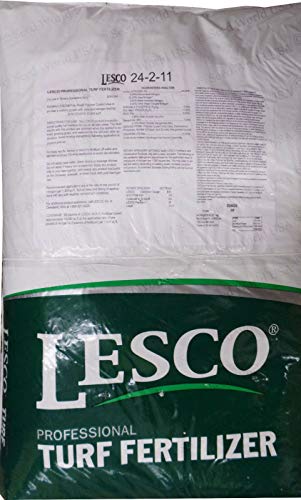
The SeedRanch St. Augustine 24-2-11 fertilizer delivers a high nitrogen content designed to promote vigorous growth and a deep green color. The product includes iron to enhance greening, contributing to a robust and visually appealing lawn. With coverage suitable for substantial lawn areas, this granular option targets St. Augustine varieties with a balanced nutrient profile that supports ongoing spring development and healthy turf recovery after winter.
Scotts Green Max Lawn Food

Scotts Green Max combines lawn food with an iron supplement to deliver faster greening. The formula emphasizes chlorophyll production, helping St. Augustine and other grasses achieve a rich, dark green color within days. Suitable for spring applications across grass types, the iron component supports deeper color, while nitrogen supports steady growth. This product is designed for quick results and is a popular choice for homeowners prioritizing visible improvement in spring.
LESCO 50 lb. St. Augustine Grass Weed and Feed
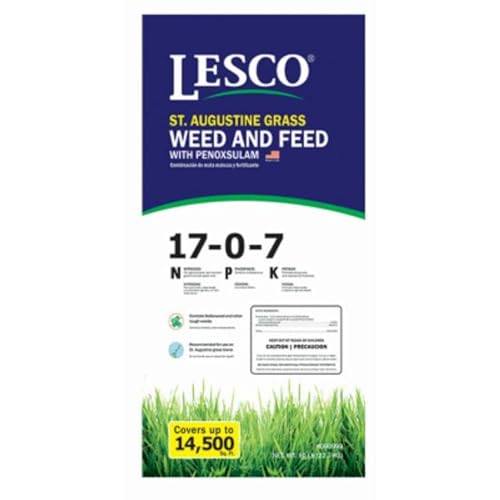
LESCO’s 50-pound bag is a professional-grade option designed specifically for St. Augustine grass. The 17-0-17 formulation provides steady, slow-release feeding to sustain lawn health over weeks. It includes weed control to manage common lawn pests and invaders while maintaining safe use on Floratam varieties. The slow-release nature helps reduce peak nutrient spikes and supports a consistent spring feed that complements regular mowing schedules.
Buying Guide: Key Considerations For St Augustine In Spring
- Grass-specific formulation: Look for products formulated for St. Augustine varieties or labeled suitable for warm-season grasses, to ensure compatibility with their growth patterns and root systems.
- Spring timing: Apply after soil temperatures rise and new growth begins, typically when the lawn is actively waking up from dormancy. Follow label guidance to avoid encouraging excessive growth during heat buildup.
- Balanced nutrients: An NPK ratio around moderate nitrogen with balanced phosphorus and potassium helps color, root development, and disease resistance. Liquid formulas offer quick uptake, while granular options provide longer-lasting feeding.
- Iron for greening: Iron supplements can enhance color without adding excessive nitrogen. Iron-rich blends can offer faster visual improvement with less risk of rapid growth spurts.
- Weed control compatibility: If weeds are a concern, weed-and-feed formulations are convenient, but ensure the product is safe for St. Augustine and Floratam varieties, and avoid overlapping applications that could stress the lawn.
- Application method: Liquid applications through sprayers allow precise dosing; granular products are easy to spread and often provide longer-lasting coverage. Choose based on lawn size, access, and maintenance routine.
- Soil and moisture considerations: Ensure soil moisture is adequate before application, and avoid applying to extremely dry or waterlogged soil to prevent uneven nutrient uptake.
- Environmental and safety factors: Opt for non-toxic, pet- and family-friendly formulas when possible. Always follow label directions and store products safely out of reach of children and pets.
- Maintenance integration: Combine fertilizer with mowing schedules and irrigation plans to maximize effectiveness, keeping an eye on heat stress during warmer months to prevent burn risk.
Choosing the right spring fertilizer for St. Augustine grass involves balancing quick greening, long-term health, and weed management. The options listed above cover a range of application styles—liquid sprays, granular blends, and weed-and-feed formulations—so you can align product choice with your lawn’s needs, climate, and maintenance habits.