
Roses demand steady, balanced nutrition to maximize bloom production and disease resistance. The following fertilizers are commonly recommended for home gardens, offering a mix of granular, water-soluble, and organic options. This guide highlights five effective choices, detailing each product’s focus, benefits, and how to use them for vibrant, long-lasting rose blooms.
Summary Table Of Chosen Products
| Product | Brand | Type | Key Benefit |
|---|---|---|---|
| Scotts Rose & Bloom Continuous Release Plant Food | Scotts | Granular | Long feeding up to 2 months with steady bloom support |
| BioAdvanced All-In-One Rose and Flower Care Fertilizer | BioAdvanced | Granules | Root strength, blooms, plus insect and disease protection |
| Miracle-Gro Water Soluble Rose Plant Food | Miracle-Gro | Water soluble | Instant feeding and rapid bloom growth |
| Espoma Organic Rose-Tone 4-3-2 | Espoma | Organic | Healthy soil, stable nutrient release, easy monthly use |
| Jobe’s Organics Granular Rose Fertilizer | Jobe’s Organics | Organic granular | OMRI-listed, low runoff, supports flowering |
Scotts Rose & Bloom Continuous Release Plant Food

Scotts Rose & Bloom is a granular plant food designed for steady feeding, extending bloom production for roses, annuals, and perennials. The product feeds for up to two months, promoting consistent flowering without frequent reapplication. Its controlled-release formulation aims to reduce plant stress while supporting robust bloom development. This option suits gardeners seeking a low-maintenance feeding schedule with reliable results across a mix of flowering plants.
BioAdvanced All-In-One Rose And Flower Care Fertilizer
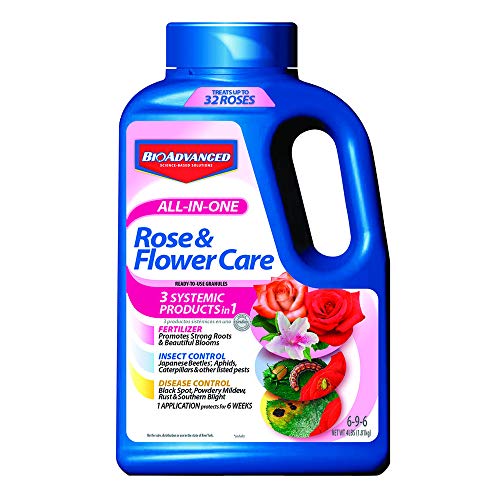
This granulated formula aims to promote strong root systems and abundant blooms for roses and other flowering plants. In addition to plant nutrition, BioAdvanced claims pest and disease protection, shielding roses against common threats like adelgids, aphids, and whiteflies, and helping manage diseases such as Black Spot and Powdery Mildew. This option targets holistic plant health, combining fertilization with preventative care in a single product.
Miracle-Gro Water Soluble Rose Plant Food

Miracle-Gro Rose Plant Food is a water-soluble option designed to deliver quick nourishment, supporting larger and more vibrant roses. The formula starts feeding immediately and is typically applied every 7 to 14 days during the growing season. It is suitable for both garden soil and containers, making it a flexible choice for diverse rose setups that require fast response to feeding schedules.
Espoma Organic Rose-Tone 4-3-2
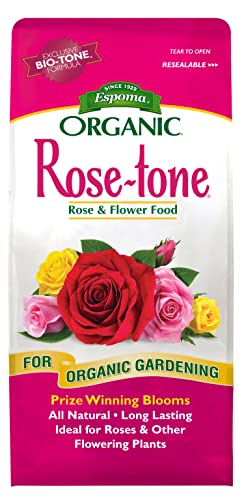
Espoma Rose-Tone Organic Fertilizer emphasizes organic nutrition with a 4-3-2 analysis and added calcium. It is designed for all types of roses, including knockouts and climbers, and is environmentally safe with no sludges or toxic ingredients. Rose-Tone encourages monthly applications throughout the growing season (May–September) without mixing, making it convenient for gardeners seeking an organic approach that supports steady green growth and abundant blooms.
Jobe’s Organics Granular Rose Fertilizer

Jobe’s Organics Granular Rose Fertilizer uses an organic 3-4-3 NPK ratio and is OMRI-listed for organic gardening. The granules are designed to minimize runoff and provide nutrients to support robust blooms and healthy foliage. As an organic option, it appeals to gardeners prioritizing natural inputs and soil-friendly feeding for roses and other flowering shrubs.
Buying Guide: Key Purchase Considerations
Choosing the right fertilizer for roses depends on your garden conditions, growing goals, and maintenance preferences. Consider the following factors to make an informed choice:
- Form and application: Granular vs. water-soluble options affect how often you feed and the effort required. Granular products are often slower-release, while water-soluble formulas provide quick results.
- NPK ratio: For roses, a balanced or slightly higher phosphorus and potassium ratio supports bloom quality and root health. Organic blends may offer slower nutrient release and soil benefits, while synthetic blends deliver rapid results.
- Soil health and organic options: Organic fertilizers, like Rose-Tone and Jobe’s Organics, contribute to long-term soil structure and microbial activity, with fewer synthetic inputs. OMRI-listed products align with organic gardening standards.
- Pest and disease considerations: Some multi-action products include insect and disease protection, providing an all-in-one solution. Decide if you need preventive controls alongside nutrition, or prefer to separate treatments.
- Ease of use: Monthly feeding regimens (as with Rose-Tone) reduce complexity, while others require more frequent applications. Consider your time and willingness to monitor plants.
- Plant variety compatibility: Ensure the product is suitable for roses and compatible with any other flowering plants in your landscape (especially if using a multipurpose fertilizer).
- Container vs. in-ground: Some formulas are suitable for both beds and containers; others may be optimized for one or the other. Check packaging for guidance.
In selecting a fertilizer, align your choice with your goals—quick bloom enhancement, long-term soil health, or a balance of both. Always follow label directions for placement, application rates, and safety recommendations to protect beneficial insects and nearby wildlife.