
Spring is the ideal time to refresh flower beds, create pollinator havens, and enjoy vibrant color all season. This guide highlights five top flower seed options that perform well when sown in spring. Each choice supports butterflies, bees, and hummingbirds while offering easy care for new or experienced gardeners. Explore seeds that range from wildflower blends to tall lupines and decorative coleus-inspired mixes, all chosen for reliable germination and garden impact.
| Product | Brand | Quick Highlights |
|---|---|---|
| Sow in Spring/Fall Wildflower Mix | HipGirl | 23 varieties; high germination; attracts pollinators |
| Wildflower Hummingbird & Butterfly Mix | Groundio | 24 varieties; 99% pure live seed; attracts pollinators |
| Seeds Multicolor Tall Lupine Mix | Sprouticus Maximus | Up to 3 ft; easy to grow; pollinator-friendly |
| 200,000+ Wildflower Seeds Mix | PLANTMEW | 16 perennials; non-GMO; high germination |
| Eden Brothers Partial Shade Wildflower Mix | Eden Brothers | 27 species; partial shade tolerant; zones 3-10 |
Sow in Spring/Fall Mixed Wildflower Seed Blend
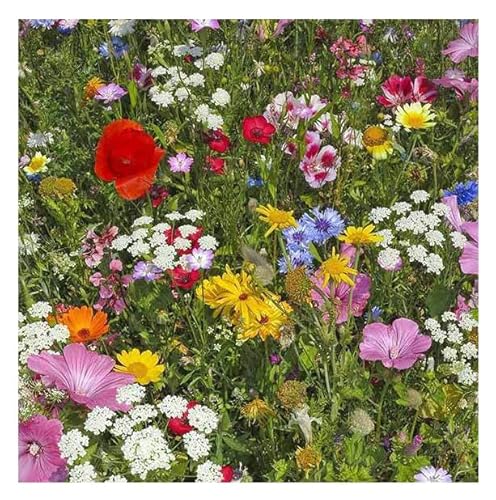
This HipGirl seed mix offers a broad palette of 23 perennial and annual varieties designed to bloom across seasons. The package highlights a germination rate around 85% and includes butterfly milkweed among the varieties. Gardens benefit from a diverse spread that supports pollinators and beneficial insects while providing long-lasting color. The blend emphasizes easy growth in home and container gardens, making it suitable for beginners and seasoned gardeners alike. For best results, avoid chemical sprays to protect pollinators visiting blooms.
Wildflower Hummingbird & Butterfly Mix

Groundio’s premium wildflower mix features 24 varieties spanning annuals, perennials, and biennials. The seeds emphasize purity and germination clarity—with 99% pure live seed and no fillers—to maximize sprouting success. The blend is explicitly designed to attract pollinators, including butterflies and bees, while offering a relatively quick route from sowing to flowering. Plants typically reach heights from a few inches to several feet, creating layered color and habitat that energizes spring and summer gardens.
Seeds Multicolor Tall Lupine Mix

Sprouticus Maximus offers a tall lupine mix with blue, pink, purple, yellow, and white spikes reaching up to three feet. Lupines are known for their architectural height and rapid, robust blooming. They attract a broad array of pollinators, including bees and butterflies, and perform well in less-than-perfect soils once established. This seed mix is beginner-friendly, requiring minimal maintenance beyond regular watering and light feeding. It’s an excellent choice for backdrop borders or meadow-style beds seeking vertical display and seasonal color.]
200,000+ Wildflower Seeds Mix
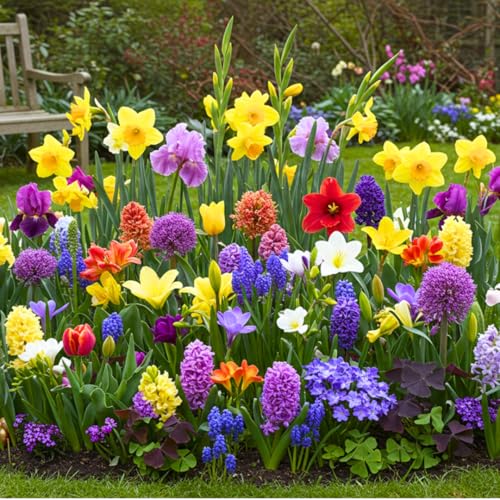
PLANTMEW’s bulk 4-ounce mix features 16 premium perennial varieties sourced in the USA, including favorites like Purple Coneflower and Black-Eyed Susan. The blend is designed to attract pollinators and diversify plant habitats, supporting bees, butterflies, and even birds. The seed mix emphasizes fast germination and reliable establishment, making it suitable for both indoor starter projects and outdoor meadow-style plantings. It’s adaptable to multiple USDA zones and encourages biodiversity and habitat resilience across seasons.
Partial Shade Wildflower Mix

Eden Brothers provides a generous 27-species wildflower mix optimized for partial shade and a broad climate range (zones 3-10). Included species span tall blooms and ground-cover options, with attention to attractors like Sweet William and Foxglove. The blend supports ecological diversity while delivering a consistent display from spring through fall. This mix is well-suited for shaded beds, woodland edges, or under trees where sunlight is filtered, offering reliable color without demanding full sun.
Buying Guide
- Pollinator appeal: If your goal is to attract bees, butterflies, and hummingbirds, prioritize mixes labeled as pollinator-friendly with diverse bloom times.
- Growing conditions: Consider sun exposure, soil type, and climate. Some blends perform best in full sun, others tolerate partial shade or mixed moisture levels.
- Germination and purity: Look for packets that specify germination rates and pure seed content to maximize successful sprouting.
- Perennials vs. annuals: Perennial-heavy mixes reduce replanting, while annual-dominant blends provide rapid seasonal color; some mixes combine both for layered habitat.
- Maintenance: Choose seeds that align with your care routine, noting whether sprays or fertilizers are recommended or discouraged to protect pollinators.
- Containment and space: Assess mature plant height and spread to prevent crowding and ensure each variety has room to thrive.
- Seasonal timing: Spring sowing works for many wildflowers, but some mixes are versatile for fall planting as well; consider regional frost dates.
When selecting seed blends, balance visual goals with ecological benefits. Diverse pollinator-friendly mixes increase biodiversity, support seasonal color, and create resilient garden ecosystems. Always follow seed-pack instructions for depth, spacing, and post-planting care to optimize germination and flower production.