
Protecting pollinators starts in your garden. The best flowers for bees and butterflies deliver nectar and pollen across seasons, support biodiversity, and create lively, colorful landscapes. This article highlights five highly suitable seed mixes and plants that attract pollinators, plus practical tips for planting, care, and maximizing bloom. Use the featured products to build a thriving pollinator patch that benefits both wildlife and your outdoor spaces.
| Product | Pollinator Benefit | Best For |
|---|---|---|
| HOME GROWN 90,000+ Wildflower Seeds Mix | Broad perennial mix for continuous blooms | Meadows, large beds |
| Seedboy Wildflowers for Pollinators Seed Mix | 47 varieties for year-round nectar | Pollinator gardens, borders |
| Gardeners Basics Milkweed Seeds (4 Variety Pack) | Milkweed for monarchs and butterflies | Monarch habitats, restoration |
| HOME GROWN Monarch Butterfly Wildflower Seeds Mix (2oz) | Milkweed and nectar flowers for monarchs | Monarch corridors, perennial beds |
| Created By Nature Bee & Butterfly Wildflower Seed Mix | 16 varieties for diverse forage | Native-friendly pollinator plots |
HOME GROWN 90,000+ Wildflower Seeds Mix

The HOME GROWN seed mix offers a premium variety with 24 perennial wildflowers designed for ongoing blooms. The high germination rate and non-GMO seeds support a reliable and low-maintenance pollinator habitat. With seeds suitable for direct sowing, this mix provides spring through fall color, attracting bees, butterflies, birds, and even hummingbirds. It is ideal for large meadows, cottage-style beds, or expansive pollinator corridors, delivering long-term beauty and biodiversity with a drought-tolerant profile.
Key features include a bulk package of 90,000+ seeds (3 oz), broad appeal for pollinators, and a design that supports continuous color across seasons. Beginners can successfully establish these seeds with simple steps—broadcast, lightly rake, and water. The mix supports both aesthetic and ecological goals, creating dense habitat that sustains pollinators year after year.
Seedboy Wildflowers for Pollinators Seed Mix

This 2 oz bulk mix contains 40,000+ non-GMO seeds spanning 47 varieties, carefully chosen to attract bees, butterflies, and hummingbirds. The blend combines annuals and perennials suitable for all USDA hardiness zones, including favorites like African Daisy, Sunflower, Zinnias, and California wildflowers. The seed mix supports biodiversity and provides a robust nectar pool throughout multiple seasons. Easy to plant and maintain, it covers about 250 square feet, making it practical for residential gardens, community plots, and educational spaces.
Benefits center on pollinator support and climate resilience. The diverse assortment increases habitat complexity for different pollinators, while its drought-tolerant tendencies suit modern gardening realities. The straightforward sowing process—scatter, press, and water lightly—lets gardeners of all levels establish a thriving pollinator patch with minimal effort.
Gardeners Basics Milkweed Seeds (4 Variety Pack)
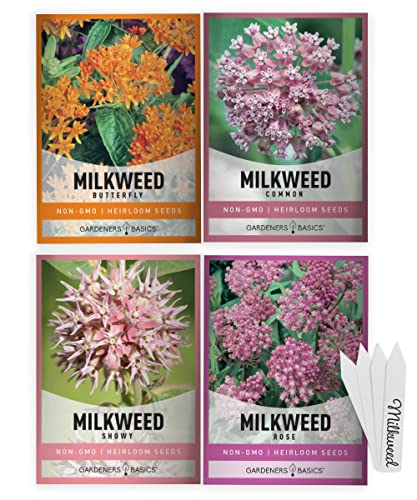
Milkweed is central to monarch butterfly habitat. This four-variety assortment includes rose, butterfly, common, and showy milkweed seeds, providing a foundational nectar and larval-food source for monarchs and other pollinators. Milkweed is a native plant in many regions and supports butterfly populations by offering critical resources during key life stages. The selection is suitable for gardeners aiming to create dedicated monarch zones or to augment existing pollinator beds with reliable perennial allies.
As a pollinator-focused seed kit, it emphasizes habitat creation and long-term sustainability. Growers should expect robust germination and a straightforward care routine, with attention to sun exposure and well-drained soil. These selections pair well with nectar-rich companions to broaden the foraging options available to bees and butterflies across the growing season.
HOME GROWN Monarch Butterfly Wildflower Seeds Mix

This 2 oz mix combines milkweed seeds with nectar-rich wildflowers to support monarchs and other pollinators across spring through fall. The blend emphasizes seasonal color and biodiversity, delivering more than just monarch-focused seeds. It is designed to create vibrant meadows and beds that attract a variety of pollinators, including bees and hummingbirds. The seeds germinate in roughly 7–14 days, and the broadcasting method makes it accessible for gardeners of all experience levels.
Stability and ease are notable, with a focus on low-maintenance growth that returns year after year. The mix’s easy establishment makes it practical for both new pollinator gardens and larger landscape projects. By combining milkweed with nectar plants, gardeners can support monarchs while also providing a broader buffet for other pollinators.
Created By Nature Bee & Butterfly Wildflower Seed Mix

This mix includes 16 annual and perennial wildflowers chosen to attract not only bees and butterflies but a range of pollinators, including hummingbirds. The selection showcases lupine, purple coneflower, crimson clover, evening primrose, coreopsis, and more. It emphasizes native-friendly forage and is sourced in the USA, aiming for high germination and dependable performance. Gardeners can establish a pollinator-friendly patch in sun or partial shade through simple scattering, light pressing, and consistent watering during emergence.
Designed for versatility, this seed mix supports biodiversity while accommodating a variety of garden styles. The blend’s low-maintenance expectations are well-suited for busy gardeners seeking sustainable pollinator habitats without sacrificing landscape aesthetics. Its native-friendly approach aligns with conservation goals and local flora compatibility.
Buying Guide: Key Purchase Considerations And Comparisons
When choosing seeds and plants to support bees and butterflies, consider these factors to tailor selections to your climate, space, and goals:
- Pollinator focus: Prioritize mixes with milkweed for monarchs, nectar-rich perennials, and diverse annuals to sustain different pollinator species across seasons.
- Hardiness and climate: Check USDA hardiness zones and local climate suitability to ensure good germination and lasting bloom.
- Bloom timing and diversity: A mix that offers blossoms throughout spring, summer, and fall helps sustain pollinators during critical periods of nectar availability.
- Soil and sun requirements: Match seed needs to sun exposure and soil type in your garden to maximize germination and growth.
- Maintenance level: Easy-to-grow blends are ideal for beginners; longer-term mixes with perennials provide ongoing habitat with less annual replanting.
- Aesthetic goals: Combine functional habitat plants with visually appealing flowers to create an attractive wildlife garden.
- Ecological impact: Favor non-GMO seeds and native or regionally suitable species to strengthen local pollinator populations and ecosystem balance.
To assemble a robust pollinator garden, consider layering diverse taxa: a foundational milkweed cluster for monarchs, nectar-rich perennials for long-term forage, and annuals to provide bright, temporary nectar sources. Pairing large, field-appropriate mixes with more targeted cultivars can yield both conservation benefits and visual appeal in your space.
For optimal results, follow general best practices: prepare well-draining soil, seed at the recommended depth, water consistently during germination, and monitor for weed competition. In regions with drought or heat stress, select drought-tolerant varieties and apply mulches to conserve moisture. By selecting the right seeds and applying thoughtful care, you can create a thriving, bee- and butterfly-friendly landscape that contributes to biodiversity and garden enjoyment.