
Ground cover seeds can transform bare patches into lush, erosion-resistant carpets while improving soil health and reducing maintenance. This guide highlights five top seed mixes and single-species options ideal for American climates. Each selection emphasizes weed suppression, drought tolerance, and easy establishment, providing diverse options from multi-seed blends to specialized clovers and creeping herbs. Use this to compare growth habits, soil benefits, and planting windows to choose the best ground cover seeds for your yard, garden beds, or landscape project.
| Product | Brand | Key Benefit |
|---|---|---|
| No-Till Garden Farm and Garden Cover Crop Mix Seeds | Mountain Valley Seed Company | Soil enrichment, weed suppression, deep-rooted germination |
| Outsidepride Crimson Clover Seeds – 5 lbs | Outsidepride | High protein forage, soil improvement, versatile use |
| Outsidepride Perennial White Dutch Clover Seed | Outsidepride | Nitrocoated, erosion control, long-term ground cover |
| Micro Clover Seed for Lawn – 1 Lb | Mountain Valley Seed Company | Drought-tolerant, low-growing lawn alternative |
| HOME GROWN Purple Creeping Thyme Seeds | HOME GROWN | Aromatic ground cover with drought tolerance and fragrance |
No-Till Garden Cover Crop Mix — Multi-Seed Ground Cover

Mountain Valley Seed Company’s No-Till Garden Mix combines nine seeds to form a robust soil-building cover crop. It includes Austrian field pea, hard red winter wheat, triticale, daikon radish, hairy vetch, crimson clover, berseem clover, yellow mustard, and collard greens. The blend fixes nitrogen, reduces erosion, and improves tilth. It is suitable for no-till gardens, raised beds, containers, and large farms. Deep-rooted radish helps break up compacted soil while legumes replenish essential nutrients. The mix matures in 30–70 days, making it adaptable for spring and fall plantings. Some varieties may overwinter in milder climates.
Outsidepride Crimson Clover Seeds — 2 lbs

Crimson clover seeds from Outsidepride offer a protein-rich forage option while serving as an effective soil-improving ground cover. The cultivar is versatile for hay production, cover crops, and lawn enhancements. It tolerates a range of soils, including sandy and clay, and thrives as a winter cover crop in appropriate climates. When used in combination with grasses or other cover-seed mixes, crimson clover can enhance soil texture and provide late-winter grazing opportunities, contributing to a robust multi-season landscape strategy.
Outsidepride Perennial White Dutch Clover Seed

This nitrocoated, inoculated white Dutch clover seed from Outsidepride is designed for erosion control and lawn alternatives. It fixes atmospheric nitrogen to enrich the soil, supports diverse pastures, and suits large-scale ground-cover applications. It is adaptable across USDA zones 3–10 and performs well in full sun to partial shade, offering a reliable, long-lasting ground cover option for varied landscapes and garden ecosystems.
Micro Clover Seed for Lawn — 1 Lb

Micro clover seed offers a compact alternative to traditional clover, with small, dense leaves that form a low-growing, drought-tolerant lawn substitute. This perennial in zones 3–10 provides natural soil fertilization by fixing nitrogen and requires less mowing than conventional grasses. Its compact height (4–6 inches) makes it suitable for eco-friendly, no-mow landscapes and patch repairs, while still supporting pollinators.
HOME GROWN Purple Creeping Thyme Seeds
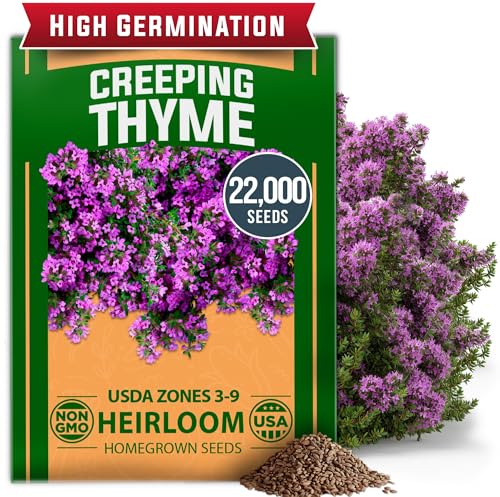
Creeping thyme creates a fragrant, drought-tolerant ground cover ideal for between pavers, along paths, and sunny borders. Germination typically occurs within 14–21 days, making it accessible for beginners. This low-growing herb spreads densely, tolerates foot traffic, and enhances landscape texture with year-round fragrance. It performs well in sun-drenched areas and requires minimal maintenance compared to traditional turf, offering a versatile option for soil stabilization and sensory appeal.
HOME GROWN Verbena Moss Seeds

Verbena moss seeds deliver long-season color, attracting butterflies and hummingbirds with waves of blooms from spring through fall. This ground-cover option forms a dense mat that suppresses weeds and offers erosion control on slopes. As a perennial in warmer zones (and annual in cooler regions), verbena moss provides reliable, low-maintenance coverage that enhances borders, walkways, and open spaces while adding pollinator-attractive flowers.
HOME GROWN Moss Rose Seeds — Portulaca Grandiflora

Moss rose seeds (Portulaca grandiflora) offer bright, long-lasting blooms all season in sunny spots. As drought-tolerant annuals, they thrive in dry soils and full sun, making them ideal for ground-covering displays in containers, rock gardens, and borders. They require minimal maintenance and provide continuous color from summer into fall, contributing to a vibrant, low-water landscape.
Buying Guide: Key Purchase Considerations And Comparisons
Selecting the right ground cover seeds depends on climate, soil type, sun exposure, and intended use. The following considerations help compare options and tailor choices to your landscape goals.
- Soil health benefits: Seed blends with nitrogen-fixing legumes (such as clovers) improve soil fertility, reducing fertilizer needs over time. Deep-rooted varieties can break up compacted soil and improve drainage.
- Sun and shade tolerance: Choose seeds suited to your site’s sun exposure. Creeping thyme and moss roses excel in full sun, while many clovers tolerate partial shade.
- Water requirements: Drought-tolerant options (micro clover, creeping thyme) reduce irrigation needs, important for dry climates. Mixed-forage blends may require more establishment care but offer rapid weed suppression.
- Establishment window: Some seeds germinate quickly (2–3 weeks) and establish within a season, while others are perennial in warm regions and annual in cooler regions. Consider your hardiness zone and seasonal timing.
- Maintenance needs: Low-mow and no-mow lawns benefit from small, dense ground covers that resist weeds and reduce mowing frequency. Aromatic or pollinator-friendly choices add ecological value while requiring minimal upkeep.
- Soil stabilization: For slopes or erosion-prone areas, choose dense, quick-spreading covers (clover blends, creeping thyme) to form a protective mat and reduce runoff.
- Aesthetic goals: Consider color, texture, and bloom season. Flowering ground covers like verbena, moss rose, and creeping thyme enhance visual appeal while providing ecological benefits.
When assembling a ground cover strategy, combine multi-seed mixes for rapid establishment with targeted single-species options to address specific site needs, such as erosion control or drought tolerance. Always follow planting guidelines for your USDA zone and soil type, and factor in frost dates and seasonal rainfall patterns to maximize germination and longevity.