
Herbs aren’t just for cooking and remedies—they can play a vital role in supporting pollinators like bees, butterflies, and hummingbirds. The right herbs provide nectar and pollen, while also fitting neatly into garden beds, borders, or containers. Below are five well-suited options that combine ease of growing with strong pollinator appeal, backed by perennial or annual performance and non-GMO seeds where noted.
Summary Of Selected Products
| Product | Brand | Pollinator Appeal | Growth Type | Notes |
|---|---|---|---|---|
| Sow Right Seeds – Hyssop Seed | Sow Right Seeds | Bees, butterflies, pollinators | Annual herb | Fragrant purple spires, non-GMO seed packet |
| Yarrow Seeds – White Common Heirloom | SURVIVAL GARDEN SEEDS | Bees, butterflies, beneficial insects | Perennial | Medicinal dye and pollinator garden potential |
| Broadleaf Thyme Seeds (Cuban Oregano) | NaturalRoots | Bees, butterflies, pollinators | Perennial, hardy | Fragrant leaves, versatile culinary herb |
| KVITER Wild Bergamot Seeds (Monarda) | KVITER | Bees, butterflies, hummingbirds | Perennial | Pink–purple blooms, drought-tolerant |
| Lemon Balm Seeds (Melissa officinalis) | NaturalRoots | Bees, pollinators | Perennial, cold-hardy | Fragrant, culinary and medicinal uses |
Sow Right Seeds Hyssop For Pollinators
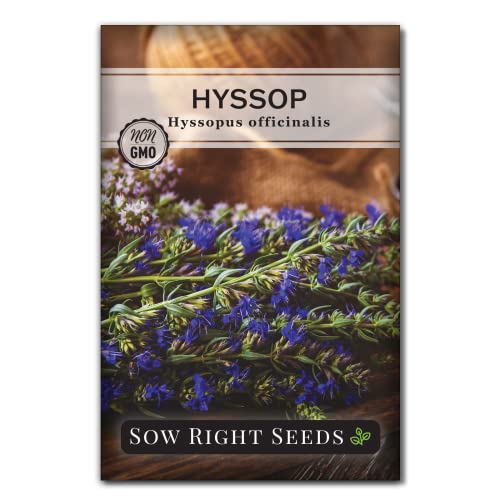
Hyssop (Hyssopus officinalis) is an easy-to-grow, hardy annual herb that forms fragrant purple flower spires. It is a favorite among beekeepers, drawing a wide range of pollinators from bees to bumblebees and other beneficial insects. Each packet contains a minimum of about 425 seeds, providing a robust starting point for a pollinator-friendly patch. Leaves carry a minty flavor suitable for teas, salads, soups, and fragrances. Germination occurs in 14–28 days when soil temperatures are around 65–70°F. Plant shallowly (1/4 inch) and space about 12 inches apart in full sun. The plant typically reaches 1–2 feet in height with an 18–20 inch spread and a 75–85 day maturation window.
Why it helps pollinators: Hyssop’s tall, vivid purple blooms offer a reliable nectar source across late spring to early fall. It’s well-suited to garden beds, borders, or containers and remains a low-maintenance option once established. For compact spaces, consider growing it in raised beds or pots to keep the plant within easy reach for pollinator visits.
SURVIVAL GARDEN SEEDS White Yarrow

Yarrow is an heirloom medicinal herb valued for its teas, salves, and apothecary uses. The white common yarrow variety is pollinator-friendly, attracting butterflies, bees, and other helpful insects to the garden. Besides nectar, yarrow can serve as a color and craft highlight in landscapes, earning its place in dye or decorative plantings. As a perennial, it can anchor borders and beds with long blooming periods, providing ongoing habitat for pollinators.
This planting can support diverse pollinator populations by offering continuous bloom across seasons. Yarrow is known for its resilience and adaptability, thriving in a range of garden conditions with proper sun exposure. Gardeners may pair yarrow with other nectar-rich herbs to create a pollinator-friendly mosaic that supports a healthy, natural ecosystem in home landscapes.
NaturalRoots Broadleaf Thyme (Cuban Oregano)

Broadleaf Thyme, also known as Cuban Oregano, is an aromatic and versatile herb perfect for culinary uses, teas, and pollinator-friendly gardens. The seeds are non-GMO, and the plant is hardy and heat-tolerant, making it suitable for garden beds, containers, or indoor growing. Large, aromatic leaves provide a strong oregano-like flavor, expanding culinary options while adding perennial structure to pollinator margins. It thrives in warm climates and can act as a perennial in frost-free zones, ensuring ongoing bloom and nectar availability for visiting pollinators.
Planting tip: Place in sunny spots with well-draining soil. Prune lightly to encourage bushy growth and repeat blooming, supporting a steady flow of nectar for pollinators through multiple seasons.
KVITER Wild Bergamot Seeds

KVITER offers 1,000+ seeds of Monarda fistulosa, commonly called wild bergamot or bee balm. This perennial is a notable pollinator magnet, producing pink to purple blooms that draw bees, butterflies, and even hummingbirds. It germinates quickly (often 10–20 days under ideal conditions at 60–70°F) and thrives in USDA zones 3–9. The plant tolerates drought once established and grows 2–4 feet tall, making it a striking addition to borders, wildflower plots, or container gardens where pollinators frequent. It can resist deer and mildew, contributing to a resilient pollinator-friendly landscape.
Bees and butterflies are particularly drawn to the mid-summer to early-fall bloom period, offering a reliable nectar source as other bee food sources wane. Planting suggestions include edge plantings along garden borders or massing clusters to create bee corridors that support colony health and pollination across the garden.
TKE Farms & Gardens – Hyssop Seeds

TKE Farms & Gardens provides over 500 non-GMO hyssop seeds per 500 mg packet, emphasizing high germination and a dependable start for herb gardens. Hyssop is a hardy perennial (in suitable climates) that rewards growers with abundant blooms and fragrance. The included instructions support gardeners of all levels, contributing to a low-maintenance, enjoyable experience. These seeds are well-suited for pollinator gardens, tea blends, and ornamental borders. The plant’s nectar-rich blooms can help support diverse pollinator populations while adding vertical interest to the landscape.
Growing guidance: Place in well-drained soil in full sun. Hyssop prefers warmth and can be grown in beds or containers. Regular deadheading can encourage additional bloom cycles, extending nectar availability for pollinators throughout the growing season.
Buying Guide: Key Purchase Considerations For Pollinator-Friendly Herbs
When selecting herbs to attract pollinators, consider these factors to maximize garden impact and growth success:
- Pollinator appeal: Favor species with long blooming periods and nectar-rich flowers. Herbs like hyssop, yarrow, bee balm, lemon balm, and Cuban oregano provide extended forage for bees and butterflies.
- Growing conditions: Assess sun exposure, soil type, and climate. Many of the listed herbs thrive in full sun and well-drained soil, while some perennials tolerate partial shade or warmer climates.
- Perennial vs annual: Perennials offer ongoing blooms across multiple seasons with less maintenance, while annuals deliver fast, initial coverage. A mix can create continuous nectar sources from year to year.
- Germination and seed quality: Look for packets with high germination rates and non-GMO seeds when possible. Proper seed depth and spacing improve establishment and flowering timelines.
- Companion planting: Pair pollinator herbs with complementary plants to form attractive, multi-season pollinator corridors. Consider grouping by bloom time to maintain nectar sources.
- Container vs in-ground: For limited spaces, containers or raised beds can still support robust pollinator habitats, provided adequate sun and drainage.
- Maintenance needs: Some species require pruning or deadheading to promote continued bloom. Plan for light ongoing care to sustain pollinator access over time.
In summary, building a pollinator-friendly herb garden involves selecting a combination of long-blooming, nectar-rich plants, and fitting them to your space and climate. The five selections above offer diverse textures, flavors, and bloom schedules, helping to create a resilient habitat for local pollinators while enhancing culinary and ornamental value in your yard.