
For many indoor gardeners, keeping houseplants properly watered is a balance between avoiding soggy roots and preventing drought stress. A reliable moisture meter helps you read soil conditions beyond what the eye can see. Below are five top-rated meters that perform well in pots, shelves, and small gardens, helping you water with confidence and protect plant health year-round.
| Product | Brand | Key Benefit |
|---|---|---|
| XLUX Soil Moisture Meter | XLUX | Accurate, immediate soil moisture readings with a large, easy-to-read dial. |
| Censinda Soil Moisture Meter | Censinda | No batteries; simple, fast readings for dry/moist/wet soil. |
| Antonki 2 Pack Soil Moisture Meter | Antonki | Two probes for monitoring multiple plants; clear guidance on watering. |
| Hathdia Soil Moisture Meter | Hathdia | No power needed; reliable single-probe readings for root-level moisture. |
| Gouevn Soil Moisture Meter | Gouevn | Simple, effective test with a readable dial and back-friendly design. |
XLUX Soil Moisture Meter, Plant Water Monitor
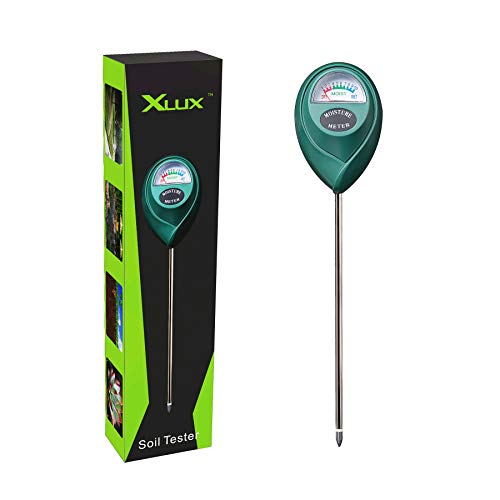
The XLUX meter provides accurate detection of soil moisture levels—dry, moist, or wet—beneath the soil surface. Its large dial is divided into ten scales with three zones, making interpretation straightforward. Users get an immediate reading after inserting the probe, enabling quick watering decisions. Important care note: avoid leaving the metal tip in soil for more than five minutes to prevent corrosion. This model is suitable for indoor pots and outdoor beds alike, offering a practical, no-battery solution for plant care.
Censinda Soil Moisture Meter
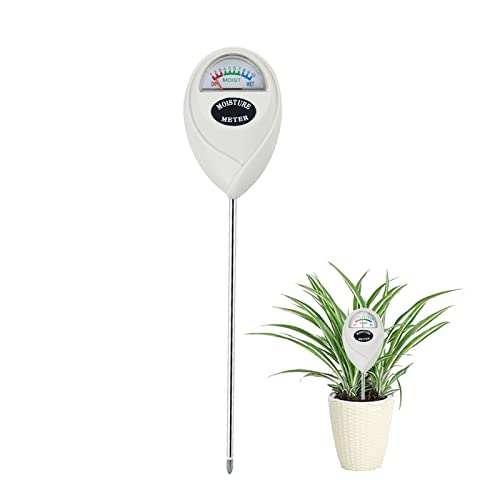
The Censinda meter emphasizes a battery-free design, providing fast readings of soil moisture (dry, moist, wet) without power. It is positioned as a preventive tool against overwatering, helping homeowners avoid root rot and plant stress. The probe reaches near the root zone for accurate measurement, and its simple interface supports quick checks for multiple plants. No charging or electrical supply is required, making it a low-maintenance option for beginner and seasoned indoor gardeners alike.
Antonki 2 Pack Soil Moisture Meter

Antonki offers a two-pack set that helps monitor moisture across multiple potted plants. The meter features clear guidance: insert near the root area, read the dial, and water accordingly. It notes that uneven readings across spots may indicate inconsistent watering or soil variation. The device emphasizes a user-friendly process: remove the probe protector, place the probe into soil, and read the moisture level as wet, moist, or dry. The kit also highlights general watering considerations for different plant needs.
Hathdia Soil Moisture Meter
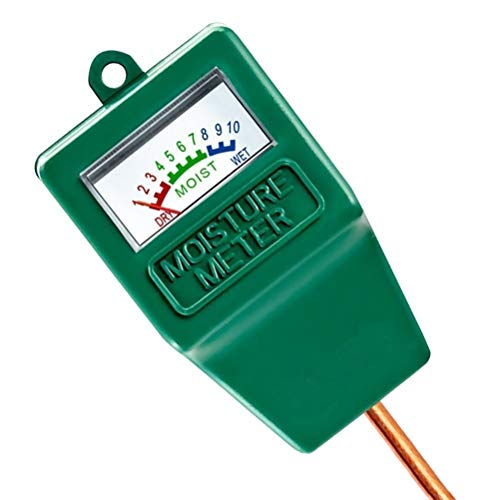
The Hathdia meter uses a single long probe to measure soil moisture at the root level, aiding decisions on watering. It does not require batteries, power, or charging, making it simple to operate. Readers will find the dial responsive and the readings reliable for a range of potted plants, from succulents to tropical varieties. The model is praised for its straightforward use and quick readings, which helps conserve water and protect plant health over time.
Gouevn Soil Moisture Meter

Gouevn emphasizes a simple, dependable approach with a large dial that shows moisture levels clearly. The meter is designed for indoor and outdoor use and includes a plant watering guide printed on the packaging. This model is suited for gardeners who want a fast, no-fuss method to gauge moisture across many plants and ensure consistent watering practices, reducing the risk of over- or under-watering in various environments.
Buying Guide
Key purchase considerations help tailor a moisture meter to your setup. First, determine whether you prefer a battery-free device or are comfortable with a digital/4-in-1 tool. Battery-free meters are simple, reliable, and low maintenance, though they provide a more basic reading. Digital meters or multi-function testers can offer more data (soil temperature, pH, light) but require batteries and can be pricier.
Second, consider soil type and plant variety. Fine planting media or dense potting mixes may require probes with longer tips or sturdier materials. For small containers or delicate houseplants, a compact or refillable meter with a slim profile will minimize root disturbance.
Third, the readout format matters. Large, clearly labeled dials with consistent color zones help you act quickly. If you manage many plants, a two-pack or set with multiple probes can save time and provide coverage for various pots.
Fourth, durability and maintenance. Some meters advise limiting exposure time to the soil to prevent corrosion, while others use resin coatings or replaceable cores. If you expect frequent readings, a model with a replaceable probe or refillable core reduces long-term cost.
Fifth, integration with watering schedules. Some meters provide immediate feedback on when to water, while others require interpretation against a watering guide. A meter that aligns with your plant care routine—such as succulents vs. tropicals—helps maintain consistent moisture without guesswork.
Comparative notes: battery-free meters tend to be straightforward and affordable, ideal for beginners or casual gardners. Dual-probe or multi-plant sets support larger collections. Models offering quick root-zone readings are advantageous for potted plants with limited root space. Ultimately, choose a meter with a durable probe, clear readouts, and a form factor that fits your plant collection size and watering approach.