
Finding a lightweight gas leaf blower that still packs serious power can be a game changer for yard work. This guide picks five top-performing models that balance weight, comfort, and blowing strength, so you can clear leaves and debris efficiently without fatigue. Each option features ergonomic harness systems, solid air output, and reliable gas-powered performance for consistent operation in lawns, driveways, and sidewalks.
| Product | Displacement | Airflow (CFM) | Speed (MPH) |
|---|---|---|---|
| Husqvarna 150BT | 51.0 cc | 765 | 270 |
| NEOTEC 75.6cc | 75.6 cc | 847 | 236 |
| HTK Backpack Blower | 63 cc | 665 | 205 |
| NEOTEC 52cc Backpack | 52 cc | 564 | 216 |
| Husqvarna 350BT | 50.2 cc | 692 | 180 |
Husqvarna 150BT Gas Backpack Leaf Blower

The Husqvarna 150BT combines a high-powered gas engine with an ergonomic design. Its 51-cc, 2.16-HP 2‑cycle engine provides strong blowing force at 765 CFM and 270 MPH, with an official 22 N thrust rating. Emissions reductions reach up to 60%, and fuel efficiency can improve by about 20%, helping longer sessions between refuels. The adjustable, padded harness, hip belt, and load management system offer comfort for extended use, making it suitable for larger yards and frequent cleanup tasks.
NEOTEC 75.6cc Gas Backpack Blower
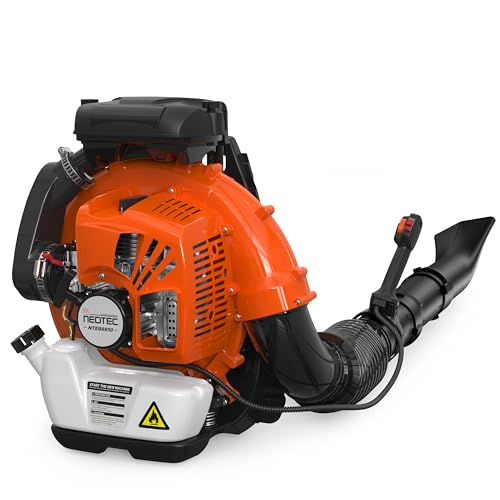
NEOTEC’s 75.6cc backpack blower delivers commercial-grade power with a maximum airflow of 847 CFM and speeds up to 236 MPH. This model excels at hard-to-clean tasks like autumn leaves and wet debris. Its design emphasizes durability, having undergone extensive factory testing to ensure reliable starts and smooth operation, while the ergonomic harness reduces fatigue through a balanced weight distribution as you work.
HTK Backpack Blower 63CC

HTK offers a 63CC gas-powered blower designed for commercial-grade performance with 665 CFM and 205 MPH. The heavy-duty engine tackles wet leaves and light snow with authority. Its ergonomic, fully padded backpack harness and low-vibration design aim to reduce back and arm strain, while the cruiser-style controls support efficient operation during longer sessions.
NEOTEC 52cc Backpack Blower
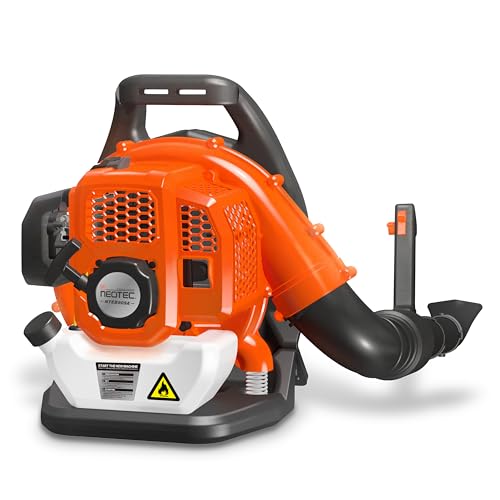
This 52cc model blends portability with practical power, delivering up to 564 CFM and 216 MPH for effective leaf and debris removal. It emphasizes durability and ease of use, with a sturdy engine and a design that supports extended sessions without excessive fatigue. The gas-powered format ensures consistent performance even during longer cleanup tasks, making it a solid mid-size option.
Husqvarna 350BT Gas Backpack Leaf Blower
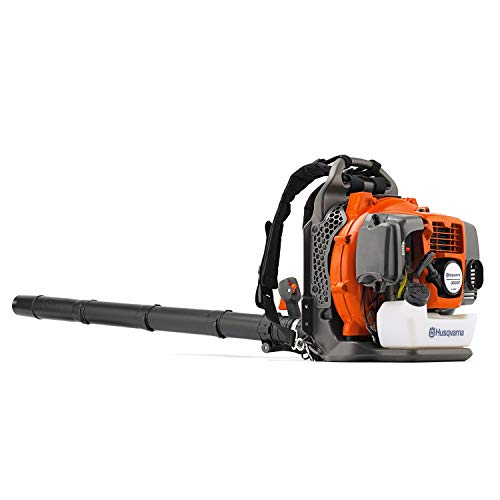
The Husqvarna 350BT combines a robust 50.2-cc, 2.1-HP X-Torq engine with 692 CFM and 180 MPH. Its design emphasizes emission reductions up to 60% and improved fuel efficiency by about 20%. The blower features an adjustable offset handle and an ergonomic harness to enhance control and comfort, making it a strong option for larger yards or frequent cleanup duties.
Buying Guide: Key Purchase Considerations
- Engine displacement and power: Larger displacement often means more sustained air flow and higher MPH, which helps with wet or heavy debris. Balance power with weight to avoid fatigue.
- Airflow and velocity: CFM measures the volume of air; MPH indicates wind speed. For leaf clearing, both metrics matter—high CFM for volume and high MPH for moving leaves.
- Weight and ergonomics: Backpack designs distribute weight to reduce fatigue, but total weight and harness quality impact comfort over long sessions. Look for padded straps, hip belts, and vibration control.
- Vibration reduction and cruise control: Low-vibration systems and cruise control help maintain steady airflow with less effort, especially on larger cleanup jobs.
- Fuel efficiency and emissions: Many modern gas blowers report reduced emissions and better fuel economy, which saves money and reduces environmental impact.
- Maintenance and serviceability: Consider models with readily available parts, simple starting procedures, and easy access to air filters and spark plugs.
- Noise considerations: Gas blowers can be noisy; check decibel levels if close neighbor interactions or compliance with local regulations is a concern.
- Intended use: For small properties, a lighter model may suffice; larger yards or frequent heavy-use tasks may justify a heavier, more powerful unit with extended runtime.
- Cost of ownership: Initial price, fuel costs, maintenance, and potential accessories (nozzles, harness upgrades) contribute to total cost of ownership over time.