
Answering the common search intent for durable, energy-efficient rope lights for outdoor spaces. This guide highlights products suited for gardens, patios, decks, or holiday displays. Each pick is described with who it’s best for and why, plus a practical caution. The top five options cover solar and plug-in variants to match different power setups and weather needs.
| Product | Best For | Why It Stands Out |
|---|---|---|
| Brightown 39FT 100LED Solar Rope Lights | Solar lovers, low-maintenance spaces | 8 lighting modes; long run; energy efficient |
| Minetom Color Changing Rope Lights | Colorful events, mood lighting | 16 colors; remote with timer |
| 66FT 200 LED Rope Lights | End-to-end outdoor lighting | 8 modes; connectable up to 5 strands |
| MaxLax EL Wire | Portable, DIY decor | Battery-powered, flexible flat wire |
| 10ft LED Rope Lights | Small spaces, quick setup | Compact length, warm white |
Brightown 39FT Solar Rope Lights
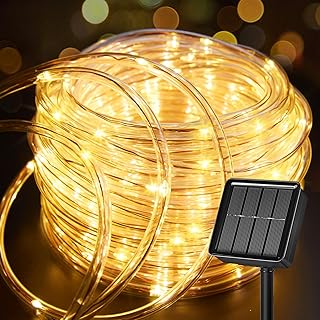
Best for energy-conscious outdoor spaces. This 39-foot rope light uses a solar panel and a 1200mAh rechargeable battery to deliver 8–12 hours of illumination per charge. It’s ideal for gardens, patios, and storefronts where wiring is impractical and sunlight is abundant.
Key features include eight lighting modes, including steady-on, waves, and twinkle. The IP65 waterproof rating supports use in rain or snow, and the flexible wire lets you shape lighting around trees, railings, or pergolas. A caution: performance can vary with sun exposure and battery age, so plan for shorter nights in low-light conditions.
Best for: owners seeking a hands-off, eco-friendly option that still offers variety in lighting effects. Better for areas with reliable daytime sun. Choose this if you want a low-maintenance setup without running cords or electrical outlets.
Minetom Color Changing Rope Lights Outdoor

Best for festive or themed spaces. This 33-foot rope light offers up to 16 colors and a remote control with a 6-hour on/18-hour off timer. It’s suited for decks, patios, bedrooms, and outdoor living spaces where color-changing ambiance enhances the mood.
Reasons to choose: vibrant color options and easy remote operation. The kit includes 9.8 feet of lead wire and a total length of 42.8 feet. Limitation: the product cannot be connected in series with other lights, so plan layouts accordingly.
Best for: users who want dynamic color changes for events. Better for atmospherics and focal lighting. Avoid if you need long, expandable installations that exceed one strand.
66FT 200 LED Rope Lights

Best for larger outdoor features and wrap-around decor. With 66 feet of rope lighting and 8 distinct lighting modes, this product provides broad coverage and flexibility for patios, gardens, poolsides, and trees. End-to-end connectable design allows multiple strands to be joined (up to five strands total).
Why it stands out: high light output with 360° light dispersion, reducing dark spots. It’s easy to shape along railings and rooflines. Caution: ensure you have compatible outlets or power sources when adding multiple strands to avoid overloading circuits.
Best for: homeowners seeking expansive lighting that can scale. Better for large yards or event spaces. Avoid if you need a single short strand for compact balconies.
MaxLax EL Wire White

Best for portable, customizable decor that can be rearranged as needed. This EL wire option uses a battery pack and is ideal for temporary setups like parties or Halloween displays. It’s a good fit for DIY projects and on-the-go lighting setups. Limitation: not designed for long-term outdoor weather exposure in very wet environments.
Best for: entertainers and DIY decorators needing flexible, battery-powered lighting. Better for shorter bursts of use. Avoid if you require a weatherproof, plug-in solution for year-round outdoor use.
10ft LED Rope Lights

Best for compact spaces or quick lighting upgrades. This 10-foot strand offers warm white illumination suitable for small decks, balconies, or pathways. It’s ETL certified and features a clear PVC tube for durability in outdoor conditions.
Pros: simple, fast setup; good for tight layouts. Limitation: limited length means broader spaces may require additional strands or multi-strand configurations.
Buying Guide: Outdoor Rope String Lights Essentials
What should you consider when choosing rope lights for outdoors?
- Power source: Solar vs. plug-in. Solar saves energy and reduces wiring needs but depends on sun exposure and battery life. Plug-in provides consistent brightness but requires outlets and cords.
- Weather resistance: Look for waterproof ratings (IP65 or higher) and durable tubing to handle rain, snow, and temperature changes.
- Length and connectability: Measure the space and check if strands can be extended or connected for larger areas. Some options allow multiple strands to be linked; others do not.
- Lighting modes and color options: Decide between fixed warm white, color-changing, or multiple effects. Remote controls and timers add convenience.
- Durability and installation: Flexible, UV-resistant tubing and sturdy mounting options help you wrap around trees, railings, or arches without kinks.
Frequently Asked Questions
- What is the typical lifespan of outdoor rope lights?—Lifespan depends on the product, exposure, and maintenance, but many outdoor rope lights are designed for seasonal use and yearly decor.
- Are solar rope lights bright enough for patios?—Yes, many models provide ample brightness for ambience and outlining, though true daylight brightness varies by mode and capacity.
- Can rope lights be used indoors and outdoors?—Most are designed for outdoor use, but check manufacturer guidelines for indoor use and ventilation needs.
- Do these lights require special installation tools?—Most are designed for simple setup with clips, ties, or hooks; no specialized tools are typically required.
- Can I connect multiple rope light strands?—Some models support end-to-end connections; others do not. Always follow product specifications to avoid electrical issues.
- How do I maintain outdoor rope lights?—Wipe covers and fixtures periodically, check for damaged cords after storms, and replace batteries or adapters as needed.