
Answer: A clean, sealed patio paver system protects color, prevents staining, and extends longevity. This guide compares five top options to help DIYers, homeowners, and outdoor-space renovators choose the right product for sealing, cleaning, and maintenance. The top picks cover low-gloss sealers for natural looks, high-gloss finishes for a dramatic wow factor, and effective cleaners to prepare surfaces before sealing.
| Product | |||
|---|---|---|---|
| MasonryDefender Patio Paver Sealer | Low gloss, water-based sealant | Outdoor pavers, bricks, stones seeking clear protection | Seals joints and stabilizes sand |
| Shabebe Premium Stone Sealer | High-gloss, wet-look sealer | Showcase stone surfaces with color depth | Not suitable for polished stone or tile |
| DOMINATOR Low Gloss Wet Look Sealer | Water-based, low-gloss look | All outdoor paver surfaces needing vibrant yet natural appearance | One-sealer solution for multiple surfaces |
| Serveon Sealants Concrete Cleaner | Concentrated cleaner | Deep cleaning before sealing on driveways and patios | Prepares surface for better bonding |
| Black Diamond Stoneworks Wet Look Sealer | Wet-look, high-gloss | Natural stone patios and driveways with enhanced color | Best for dramatic visuals after sealing |
MasonryDefender Patio Paver Sealer Review
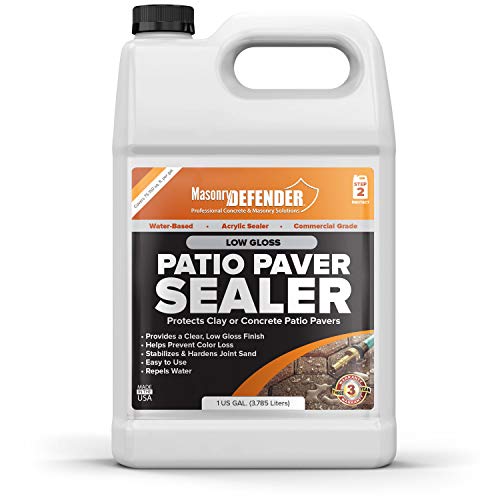
Best for homeowners who want a clear, low-gloss finish that preserves natural color while offering weather protection. The water-based acrylic sealer dries clear and resists yellowing, making it suitable for clay brick, paver stones, and most horizontal concrete. It also hardens and stabilizes joint sand to discourage weed growth and ant colonies—handy for long-lasting patios and walkways.
Who it’s best for: DIYers seeking a simple yet durable seal that won’t alter the stone’s natural appearance. Why selected: it provides joint stabilization and versatile surface compatibility without adding heavy gloss.
Caution: Ensure joints are clean and fully dry before application to maximize sand-lock benefits. Avoid over-application to prevent a milky look on very porous surfaces.
Alliance Gator Clean Shampoo For Pavers & Patios

Best for pre-sealing cleaning that restores natural paver color without harsh acids. This cleaner removes penetrated dirt effectively and avoids muriatic acid. It’s suitable for pavers, bricks, and outdoor stone, making it a solid prep step before sealing or staining.
Who it’s best for: homeowners preparing surfaces for sealant applications. Why selected: it addresses embedded dirt while preserving color, reducing the risk of blotches after sealing.
Caution: Follow dilution and contact-time guidelines to prevent residue that could hinder adhesion of sealers.
Shabebe Premium Stone Sealer – Wet Look

Best for turning natural stone surfaces into a dramatic, high-gloss finish. The nanotech formula provides UV resistance and water repellency, protecting against freeze-thaw cycles and color fading. Note that it’s not suitable for polished stone or tile and may alter satin or matte looks significantly.
Who it’s best for: design-focused projects where a luxury, glossy look is desired. Why selected: offers strong color enhancement and durable protection, with an emphasis on outdoor stone longevity.
Caution: Always test a small area first to confirm the gloss level and color change on your specific stone type.
DOMINATOR Low Gloss Wet Look Sealer

Best for surfaces needing vibrant color with a natural, low-gloss finish. This water-based sealer protects against sun damage, oil stains, and water-related issues while remaining flexible across brick, flagstone, and other outdoor paver surfaces. It’s a single-sealer solution for multiple outdoor materials.
Who it’s best for: homeowners wanting a single, versatile sealant for various paver types. Why selected: emphasizes durability and readability of color without heavy sheen.
Caution: Avoid oversaturation on very porous stones to prevent white halos or blotching in high-humidity conditions.
Black Diamond Stoneworks Wet Look Sealer

Best for enhanced color depth and a lasting glossy finish on natural stone. The sealer darkens stone tones, delivering a vivid, reflective appearance for patios, driveways, and walkways. It’s user-friendly and aims at long-lasting protection against weather and wear.
Who it’s best for: exterior spaces where a striking, polished look is desired. Why selected: delivers a noticeable color boost and durable surface protection for natural stone.
Caution: Not ideal for those who prefer a matte or natural look; gloss level will be more pronounced on lighter-colored stones.
Buying Guide: Key Considerations For Patio Paver Cleaning And Sealing
What finish do you want? Low-gloss sealers preserve a natural look, while high-gloss options deliver a dramatic, “wet” appearance. Your aesthetic goals influence the choice.
What surface will be sealed? Pavers, bricks, and natural stone respond differently to sealers. Check compatibility with concrete, clay, and stone types to avoid blotching or poor adhesion.
How will it be applied? Some products are spray-friendly, others prefer rolling or brushing. Consider your DIY comfort and the surface area to cover.
Surface prep matters. Cleaning and etching or priming may improve sealer adhesion. Use a paver cleaner to remove oil, dirt, and efflorescence before sealing.
Joint protection matters. Some sealers claim joint sand stabilization; if you have exposed joints, verify how the product interacts with sand and weed prevention.
Maintenance window. Drying time, recoat intervals, and UV resistance influence long-term appearance and protection. Plan for seasonal maintenance.
FAQ
- Q: Should I seal pavers the same day I clean them? A: It’s best to wait until surfaces are completely dry and free of cleaners or residues to ensure proper adhesion.
- Q: Can I use a high-gloss sealer on porous pavers? A: Yes, but test first; very porous surfaces may develop blotches or uneven shine if over-applied.
- Q: Do sealers protect against weeds? A: Some products claim joint stabilization to minimize weed growth by hardening joint sand; confirm with product specs.
- Q: Is a cleaner necessary before sealing? A: Cleaning removes dirt and oils that can interfere with bonding and color uniformity, improving sealer performance.
- Q: Can I apply sealers on damp days? A: Most sealers require dry surfaces; moisture can hinder curing and finish quality.
- Q: How long does a sealant typically last? A: Durability depends on traffic, sun exposure, and the product; plan for periodic reapplication based on wear.