
Closed terrariums create miniature, self-contained ecosystems that bring greenery into compact spaces. The right plants thrive in high humidity and filtered light, while thoughtful supplies help maintain balance without daily care. Below are five carefully chosen products that suit closed terrarium environments, from ready-made plant sets to starter kits and substrate enhancements. Each selection emphasizes low-maintenance varieties, moisture control, and easy assembly to support a thriving glass garden.
| Product | Brand | Best For | Notes |
|---|---|---|---|
| Mini Terrarium Plants (6 Plants) (2″ Pots) Fairy Garden Plants Assorted Varieties | Optiflora | Starter plant variety for small terrariums | Varied 6-pack; good for diversity in a single container |
| PYEF CRAFTS DIY Terrarium Kit for Adults – Build Your Own Self‑Sustaining Closed Ecosystem – 34 fl oz (1‑Liter) Glass Terrarium | PYEF CRAFTS | Fully guided kit for a self-sustaining ecosystem | Includes materials, instructions; plants not included |
| Mini Terrarium Plants (2 Plants) Fairy Garden Plants (Assorted Varieties) (2″ Pots) | Optiflora | Compact terrarium plant pair | 2-pack; California-licensed |
| Legigo 2 QT Horticultural Charcoal | Legigo | Soil drainage and filtration | Activated charcoal for moisture and odor control |
| Gardenera Terrarium Potting Soil Mix – 2 QUARTS | Gardenera | Soil mix optimized for terrariums | Balanced moisture and robust rooting |
Optiflora Mini Terrarium Plants Set (6) For Small Glass Terrariums
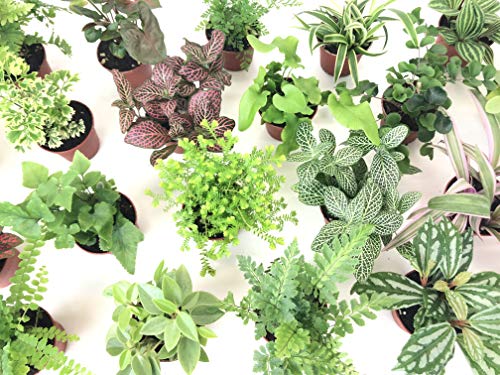
- Six different small terrarium plants in 2″ pots for diverse mini landscapes.
- Easy care varieties designed for compact, enclosed ecosystems.
- Order multiple sets for larger collections or mixed displays; volumes of 2x, 3x sets yield varied results.
PYEF CRAFTS Terrarium Kit for Adults – Self‑Sustaining Ecosystem

- Comprehensive kit with tools, instructions and materials to assemble a glass terrarium, with space for succulents, Tillandsia, and small ferns.
- Includes guidance on irrigation and plant compatibility for a self-contained ecosystem in a jar (plants not included).
- Customizable design options let you tailor the layout for Fittonia, Bromeliads, and other compact greenery.
Optiflora Fairy Garden Two‑Plant Terrarium Set

- Pair of assorted fairy garden plants in 2″ pots, suitable for small terrariums or fairy garden scenes.
- Designed for California shipping; ideal for quick setups and beginner terrarium projects.
- Compact size supports easy placement in desks, shelves, or windowsills.
Gardenera Terrarium Potting Soil Mix – 2 Quarts
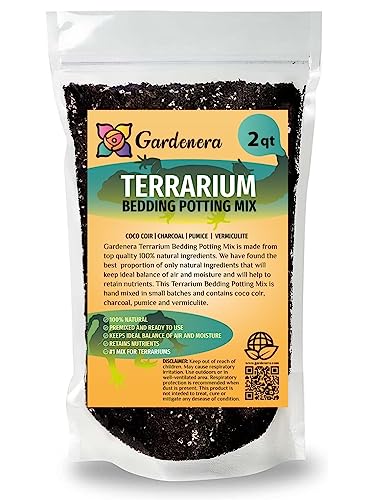
- Potting soil blend optimized for closed-top and open-top terrariums.
- Moisture-balanced formula to reduce overwatering and root stress.
- Supports stronger root systems and healthier plant growth within glass enclosures.
Buying Guide: Key Factors For Closed Terrarium Success
Choosing the right components for a closed terrarium involves balancing plant selection, substrate, moisture control, and aesthetics. The following considerations help ensure a thriving, low-maintenance display:
- Humidity and light: Closed terrariums favor humidity-tolerant, shade-loving plants. Opt for varieties that thrive in high moisture and indirect light to prevent mold and overheating.
- Plant variety: Mix small foliage with contrasting textures. Choose species that require minimal pruning and are comfortable sharing space with other plants.
- Substrate and drainage: A layered approach with drainage material, activated charcoal, and a moisture-retentive soil mix helps prevent root rot and promotes a stable environment.
- Maintenance needs: Look for starter kits and ready-made plant sets that include clear care instructions and long-term viability within a closed system.
- Scalability: If you plan a larger display, select modular plant sets that can be combined into bigger arrangements without sacrificing microclimates inside each terrarium.
- Aesthetic flexibility: Consider the glass vessels themselves—shape and opening size influence plant arrangement and propagation options over time.
- Safety and shipping: For long-distance fulfillment, verify that plant selections are permitted in your state and that packaging minimizes transplant shock during transit.
For ongoing care, monitor condensation and odor: a healthy closed terrarium shows consistent, light fogging with occasional dew-like droplets and no persistent musty scent. If excess condensation appears, remove the lid briefly to temper humidity and prevent mold growth. Through proper plant pairing, substrate balance, and routine observation, a closed terrarium can remain visually striking and biologically stable for months to years.