
Selecting the right pond plants helps create a balanced ecosystem for koi, improving water quality, providing shade, and offering natural filtration. The following picks focus on floating hyacinths and water lilies that are easy to care for, propagate well, and look great in American koi ponds. Each option emphasizes healthier pond water, beginner-friendly growth, and compatibility with typical outdoor climates.
| Product | Type | Why It’s Ideal |
|---|---|---|
| Floating Plant | Fast growing, natural filtration, lilac blooms | |
| Floating/Water Lily Look‑Alike | Unique mosaic leaves, yellow flowers, filtration | |
| Water Lily | Rosy-red blooms, classic lily pad presence | |
| Floating Plant Bundle | Natural filtration, shade, rapid growth | |
| Floating Plants | Immediate pond coverage, filtration, shade |
The list below highlights five relevant products with concise details. Each section includes a direct link to the product page and an image to help you visualize growth and placement in your pond.
Chalily Floating Hyacinth For Ponds

Chalily’s Water Hyacinth is a popular floating plant that’s beginner-friendly. Its glossy green leaves rest on the water’s surface, and occasional lilac blooms add color to the pond edge. The plant grows quickly and requires no soil or planting, making it ideal for quick coverage and natural filtration. Its floating root systems contribute to improved water quality by supporting biological filtration and nutrient uptake, helping create a healthier environment for koi.
Key features include:
- Floating beauty with superb surface coverage
- Fast growth and easy care; no soil needed
- Natural filtration through robust root systems
WhistenFla Floating Foam Lotus Pads

Note: This product is an artificial option. It can be used for decorative purposes and koi literacy, but does not contribute to natural filtration. If you seek real plant benefits, consider alternatives below. The set includes multiple flower colors and lily pad shapes to enhance aquascape visuals without maintenance on live plants.
Key features include:
- Realistic appearance with multiple colors
- Varied sizes and accompanying leaves for natural look
- Easy placement with weights on back hooks
Chalily Live Mosaic Aquatic Plant

The Mosaic Plant from Chalily resembles a diamond-shaped foliage pattern that creates a mosaic tile look on the water surface. Its leaves can take on a red-tinged edge in full sun, adding color to the pond. It is a prolific bloomer, producing small yellow flowers in summer, and it functions similarly to a water lily in offering shade and a natural filtration path through its leafy canopy.
Key features include:
- Unique mosaic-like foliage with sun-exposed red edges
- Yellow blossoms in summer for visual appeal
- Contributes to water quality and habitat complexity
Chalily Rembrandt Red Water Lily
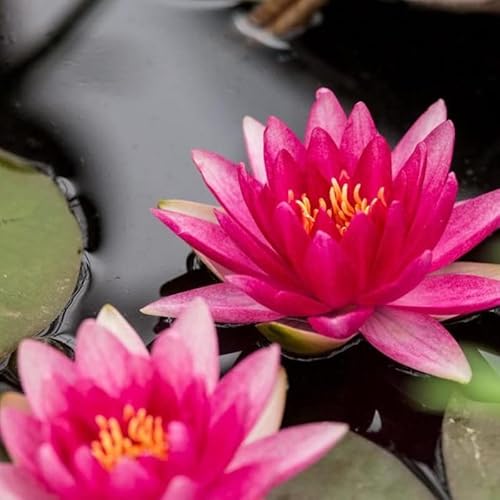
Rembrandt Water Lily is a pre-grown, bare-root lily variety offering rosy-red blossoms and robust growth. Water lilies act as natural filtration by contributing to clearer water and providing shade and shelter for koi. As a classic pond plant, it helps optimize habitat complexity while delivering visual drama with large, vivid blooms. This option works well in deeper ponds or container water gardens where space and depth are available.
Key features include:
- Rosy-red, showy flowers with a long bloom period
- Natural filtration and habitat benefits
- Pre-grown, ready-to-plant root system
AquaLeaf Aquatics Floating Hyacinth Bundle

This floating plant bundle emphasizes natural filtration with a focus on shading the pond surface to reduce algae growth. The hyacinths help improve water health by absorbing nutrients and providing a protective canopy for koi. It is a practical choice for ponds in warmer climates where rapid growth supports ongoing water quality management.
Key features include:
- Natural filtration and shade
- Fast-growing, easy to handle
- Ideal for covering surface areas to reduce evaporation
5 Live Water Hyacinth Plants Bundle

This bundle provides five healthy hyacinth plants with buoyant bulbs and vibrant green leaves ready for immediate pond use. The natural filtration benefits come from dense root systems that help manage nutrients and nitrates. The floating habit makes them adaptable to varying pond depths, and they multiply to form a lush surface cover over time.
Key features include:
- Immediate pond coverage and filtration
- Efficient nutrient uptake and shade
- Low-maintenance, soil-free planting
Buying Guide
When choosing pond plants for koi, consider the following aspects to balance aesthetics, health, and maintenance:
- Plant type and function: Floating species like hyacinths provide rapid coverage and filtration; water lilies add depth, shade, and seasonal blooms. Combine both for a healthy pond ecology.
- Sun exposure: Most pond plants benefit from full sun to partial shade. Too much sun can increase algae; too little may reduce bloom intensity and growth.
- Growth rate and spread: Fast-growing varieties require regular maintenance to prevent overgrowth, which can deplete oxygen and crowd other plants.
- Depth and placement: Water lilies typically need deeper water; floating hyacinths thrive on the surface with their roots in the water column. Ensure your pond depth supports your chosen plants.
- Filtration contribution: Choose plants with robust root systems and nutrient uptake to support clear water and koi health. Consider combining floating plants with anchored lilies for balanced filtration.
- Maintenance needs: Some options are low maintenance (pre-grown or bare-root lilies), while artificial pads offer visual appeal without biological benefits. Align your choice with your time and effort preferences.
- Climate suitability: Verify that plant varieties are appropriate for your local climate and pond environment, especially for winter survivability and blooming season.
Outdoor koi ponds benefit from a mix of plant types—not just for aesthetics, but for real water quality improvements and pond habitat. The selections above emphasize easy care and natural filtration while supporting the koi’s habitat and health. Always monitor plant growth and adjust as needed to maintain a balanced ecosystem without overgrowth.