
Bonsai thrives with a pot that provides proper drainage, breathability, and enough room for root growth. The following selections focus on ceramic and high-quality materials designed to support various bonsai styles, from compact indoor trees to larger outdoor specimens. Each option emphasizes drainage, air circulation, and durability, helping you choose a pot that complements your tree’s needs and your decor.
Summary of chosen products:
| Product | Brand | Size / Capacity | Key Benefit |
|---|---|---|---|
| MUZHI Round Unglazed Ceramic Bonsai Pot | MUZHI | 8 inches | Rough, breathable unglazed ceramic with bamboo tray |
| EPFamily 8 Inch Ceramic Bonsai Pot | EPFamily | 8 inches | Textural raised-dot design with drainage and saucer |
| MUZHI Decorative Ceramic Bonsai Planter Pot | MUZHI | 8.5 inches | Rectangular shape with breathable glaze-free clay |
| Teagas Bonsai Tree Pot | Teagas | 11.6 inches | Beautiful blue reactive glaze with drainage and net |
| EPFamily 12 Inch Ceramic Bonsai Pot | EPFamily | 12 inches | Large ceramic planter with drainage hole and mesh |
MUZHI Round Unglazed Bonsai Pot With Bamboo Tray

Dimensions: 8 x 3.5 inches for the pot, with a 5.9 x 0.4 inch bamboo tray and a 1.8 inch mesh pad. This handmade high-temperature unglazed ceramic pot is more breathable than glazed options, promoting soil aeration and root health. The rough pottery aesthetic offers a vintage rustic look that pairs well with traditional bonsai styles. Ideal for small to medium bonsai trees that require steady drainage and a natural finish. The included bamboo tray helps catch excess moisture, keeping surfaces clean and soil contained.
EPFamily 8 Inch Ceramic Bonsai Pots With Drainage

This 8-inch bonsai pot features a modern raised-dot texture that adds decorative appeal to indoor and garden spaces. It includes a drainage hole and a matching saucer to collect excess water, plus a drainage mesh to reduce soil loss. Made of premium ceramics with high-temperature firing, it offers good air permeability and durability for long-term use. Noting that soil and plant are not included, this pot is suitable for a wide range of indoor bonsai and decorative plants.
MUZHI Decorative Ceramic Bonsai Planter Pot

An 8.5-inch unglazed rectangular planter crafted from Zisha clay provides breathable porosity and a distinctive rustic aesthetic. The set includes a matching saucer, a mesh pad, and a garden tool, enabling easy care and maintenance for indoor or outdoor bonsai. The rectangular design suits trees that require wider root zones and a modern presentation, while the unglazed surface maintains good airflow and reduces salt buildup in the soil over time.
Teagas Bonsai Tree Pot With Rectangular Shape

This 11.6-inch ceramic bonsai pot showcases a blue reactive glaze with a rectangular silhouette, merging aesthetics with practicality. It includes a drainage hole and a matching drainage net to help manage excess moisture and prevent soil erosion, supporting healthy root respiration. The durable ceramic construction resists warping and cracking, making it suitable for both indoor and outdoor bonsai displays and a variety of tree species.
EPFamily 12 Inch Ceramic Bonsai Pot
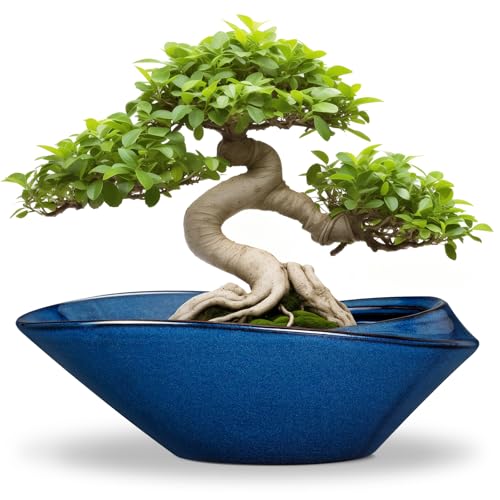
This larger 12-inch ceramic planter is designed for bigger bonsai trees, with a drainage hole and a mesh pad to minimize soil loss and root rot. The durable ceramic material supports longer outdoor and indoor use, and the blue glaze adds a decorative element. This pot is well-suited for mature bonsai that require more root space while maintaining a tidy, professional display in living rooms, sunrooms, or gardens.
Buying Guide: Key Purchase Considerations
- Size and root space: Choose a pot with dimensions that accommodate current root growth and a potential next growth period. Avoid pots that are too small, which can lead to root binding and poor drainage.
- Drainage and aeration: Ensure the pot has drainage holes and, if possible, a mesh or saucer to manage soil and moisture. Breathable ceramic or unglazed surfaces promote better root respiration than fully glazed interiors.
- Material durability: Ceramic pots are common for bonsai due to their balance of weight, heat tolerance, and aesthetics. Avoid extremely thin or brittle options for outdoor use in varied weather.
- Shape and style: Round pots suit many classic bonsai forms, while rectangular pots can complement upright or cascading trees. Consider how color, glaze, and texture enhance the tree’s style and your space.
- Indoor vs outdoor use: Some pots are better suited for indoor environments with controlled humidity, while others are designed to withstand outdoor conditions. Check for weather resistance and glaze characteristics.
- Maintenance and setup: Unglazed or lightly glazed pots often require careful soil choice to maintain moisture balance. Some sets include saucers, mesh pads, or tool kits—evaluate whether these extras align with your care routine.
- Compatibility with tree species: Conifers, maples, junipers, and other species may require deeper or wider root zones. Confirm that the chosen pot aligns with your bonsai species and growth goals.
Across these options, ceramic pots provide reliable drainage and air exchange, with visual variety ranging from rustic, rough finishes to modern textures. Larger pots offer space for more developed roots and longer-term growth, while smaller, unglazed pots suit compact trees or accent displays. Consider pairing with a breathable soil mix and a moisture management plan to optimize bonsai health and presentation.