
Choosing the right bonsai soil is essential for drainage, aeration, and nutrient balance. This guide highlights five well-regarded potting soil blends designed to support a range of bonsai species—from junipers to ficus and beyond. Each option emphasizes fast drainage, stable moisture retention, and compatibility with container growth, helping you reduce root rot and improve root health over time.
| Product | Brand | Notes |
|---|---|---|
| Bonsai Soil All Purpose Mix (2 Quart) | JK Global Imports | Ready-to-use pre-mix with pumice, lava, calcined clay, pine bark |
| Premium Bonsai Soil Mix for Indoor Trees | Agra Life | Organic blend, excellent drainage and aeration |
| Bonsai Soil Mix by Perfect Plants | Perfect Plants | Multi-purpose, long-term nutrient-enriched |
| Bonsai Jack Gritty Mix | Bonsai Jack | Ultra-light, fast-draining for root health |
| The Soil Sage 5qts Bonsai Mix | The Soil Sage | Pumice, lava rock, akadama, pine bark fines |
Bonsai Soil All Purpose Mix | Fast Draining Pre Mix
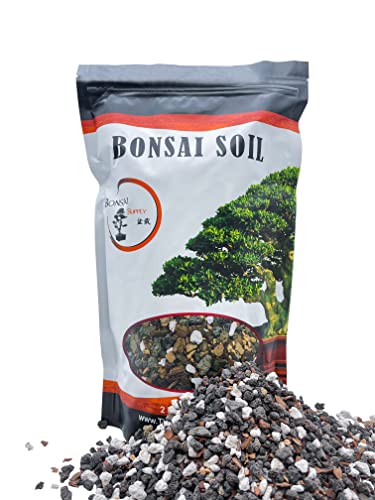
JK Global Imports presents a ready-to-use bonsai soil blend designed for fast drainage and balanced moisture. The mix includes pumice, lava, calcined clay, and pine bark, providing an ideal matrix for root development and nutrient uptake. The pre-mixed formula saves time during repotting, while its USA-sourced aggregates support local availability and consistent quality. This option suits a broad range of container-grown plants, including herbs, cacti, and succulents, making it a versatile choice for hobbyists and intermediate growers alike.
Premium Bonsai Soil Mix for Indoor Trees

Agra Life offers an organic, indoor-friendly bonsai soil mix designed to optimize drainage and aeration while maintaining a nutrient-balanced environment. The blend is suitable for a wide range of bonsai varieties, from Junipers to Ficus, and is crafted to support long-term growth indoors. By using organic ingredients and avoiding harsh chemical additives, this mix aligns with homes seeking safer, eco-conscious soil options without sacrificing performance.
Bonsai Soil by Perfect Plants

This 2-quart mix from Perfect Plants is an all-purpose bonsai blend designed for consistent growth across varieties. It emphasizes long-term nutrient availability and water management, supporting conifers and broadleaf species alike. The formulation is produced in the USA and is marketed as a reliable base medium for both novice and seasoned bonsai enthusiasts, helping to sustain balanced levels of moisture and air in the root zone.
Bonsai Jack Succulent, Cactus and Bonsai Soil
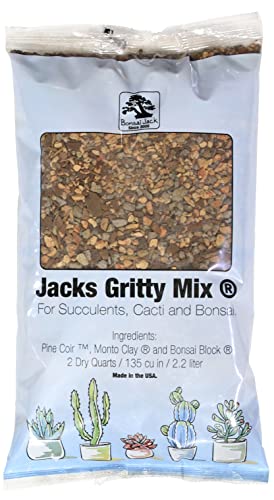
Bonsai Jack’s gritty mix is engineered for rapid drainage and reduced root rot risk. Comprising Bonsai Block, Montmorillonite clay, and pine coir, it is designed for plants that require dryer roots, including many succulents and bonsai that prefer drier feet. The blend supports optimized pH around 5.5 and aims to balance water absorption with evaporation, helping growers manage irrigation more precisely in containers.
The Soil Sage 5qts Bonsai Mix

This premium blend from The Soil Sage centers on akadama, pumice, lava rock, and pine bark fines. The composition aims to maximize drainage and aeration while retaining essential moisture without compaction. The result is a soil profile that supports healthy root systems and steady growth across many bonsai varieties, from maples to conifers. The large bag format offers value for ongoing repotting needs and multiple trees in a home collection or greenhouse setup.
Buying Guide: Key Considerations When Selecting Bonsai Soil
Drainage versus moisture retention: Bonsai roots need air pockets to thrive, but not at the expense of dehydration. Look for blends that balance fast drainage with adequate moisture retention to prevent root desiccation between waterings.
Soil composition and particle size: Larger particles promote aeration and drainage, while smaller components improve water-holding capacity. A mix often includes lava rock, pumice, akadama, calcined clay, pine bark, or pear rock. The ideal ratio depends on species, climate, and watering frequency.
pH compatibility: Most bonsai species prefer slightly acidic to neutral pH ranges. Some mixes are designed to stabilize pH for broader compatibility, reducing the need for frequent adjustments.
Organic versus inorganic components: Organic materials (bark, compost) feed beneficial microbes but can break down over time, affecting structure. Inorganic blends (lava rock, pumice, akadama) are more stable but may require supplementary nutrients via fertilization.
Rewetting and long-term stability: Some blends rehydrate quickly after drying, while others resist cracking and compaction. Consider your watering regimen and whether you need a pre-mixed, ready-to-use option or a customizable base.
Species versatility: If you care for multiple bonsai varieties, a universal mix with good drainage and aeration is practical. In contrast, some species prefer firmer or lighter media; choose accordingly based on your collection.
Availability and sourcing: Local availability can influence freshness and cost. USA-made blends may provide consistency and reduce shipping concerns for hobbyists and clubs alike.
What to Expect by Type of Bonsai
- Conifers (Junipers, Cedars): Often benefit from gritty, fast-draining mixes with good aeration and low compaction.
- Soft-leaved species (Ficus): May tolerate slightly more moisture and finer texture blends, but still require strong drainage.
- Succulents and cacti: Favor very fast drainage and lighter textures to prevent root rot in dry climates.
- Tropical varieties: Typically respond well to balanced mixes that hold moisture just enough for steady growth without excessive dampness.
- Indoor use: Organic components can help with slower drying out in homes with consistent indoor humidity, but drainage remains critical.
In summary, the five options covered offer a spectrum of blends suitable for most bonsai needs, from ultra-fast draining gritty mixes to balanced organic formulations. When selecting, align the mix with your climate, watering routine, and the species you cultivate. Regular observation of root health and moisture status will help you fine-tune your soil choice over time.