
Growing herbs indoors requires a soil mix that balances moisture retention, drainage, and nutrients. The right potting soil supports robust root development and helps basil, thyme, oregano, and other culinary herbs thrive year-round. Below are five highly compatible options, each with its own strengths. Use this guide to compare textures, sustainability, and how they handle herb varieties you cultivate at home.
style=”display:none”>Summary of Chosen Products (for quick reference):
- Leaves and Soul — Professional Indoor Herb Plant Soil, 2.2 Quarts
- Burpee — Premium Organic Potting Mix, 9 Quarts
- Miracle-Gro Organic Indoor Potting Mix — 16 qt
- Doter — Organic Potting Soil Mix, 1 qt
- Rosy Soil — Indoor Potting Soil with Biochar, 4 qt
Leaves and Soul Indoor Herb Soil 2.2 Quarts

Leaves and Soul offers a premixed, ready-to-use blend designed to support indoor herb growth. The mix includes peat moss, coco coir, and perlite with dolomite to balance pH. It’s formulated to maximize fertilizer absorption and promote excellent aeration for herb roots, helping basil, thyme, rosemary, oregano, mint, parsley, and sage establish quickly. The mix aims for reliable drainage, reducing the risk of over-watering common in indoor setups. This option is particularly suitable for compact herb pots and windowsill gardens.
Burpee Premium Organic Potting Mix, 9 Quarts

Burpee’s Organic Premium Potting Mix blends plant food with coconut coir to support seed and root growth, delivering healthy herb, vegetable, and flower plants. It’s OMRI Listed for organic use, making it appealing for those seeking organic-certified soils. Designed for containers, it provides instant nutrient delivery and a slow-release feeding that can support plant needs for up to three months. Retention of moisture is balanced by coconut coir, helping maintain consistent moisture without soggy roots, which is favorable for indoor herbs in pots and planters.
Miracle-Gro Organic Indoor Potting Mix, 16 Qt

Miracle-Gro Organic Indoor Potting Mix uses responsibly sourced sphagnum peat moss, coir, and a quick-start fertilizer to support a broad range of indoor container plants, including herbs. The mix is OMRI Listed and designed to prevent overwatering and under-watering challenges common with houseplants. It is suitable for starting herb cuttings or transplanting established herbs into containers. The combination of sphagnum peat moss and coir aims to provide steady moisture while maintaining good drainage—an important balance for indoor herb care in low-light or urban apartments.
Rosy Soil Indoor Potting Soil With Biochar, 4 qt
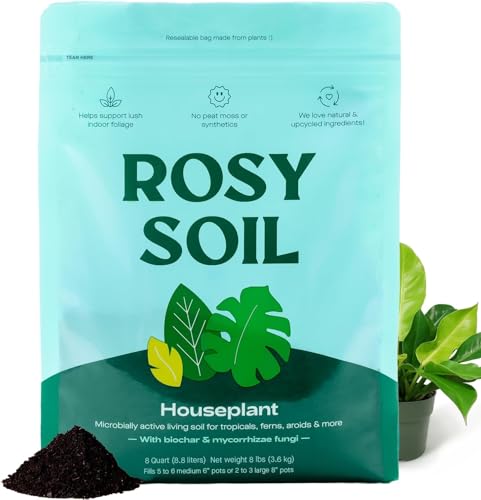
Rosy Soil’s indoor mix emphasizes a thriving growth formula enriched with biochar and pine bark fines for robust roots and balanced moisture retention. It’s designed to support a wide range of houseplants, including foliage plants, flowers, ferns, herbs, and tropical species. The peat-free approach reduces environmental impact, and the biochar can enhance microbial activity in the soil, potentially improving nutrient uptake for herbs. The blend aims to minimize gnats and other moisture-related pests, a common issue in indoor herb gardens.
Doter Organic Potting Soil Mix for Indoor & Outdoor Containers, 1 qt

Doter’s organic mix combines peat moss, perlite, coconut coir, and worm castings for a natural, chemical-free soil. It emphasizes proper aeration and drainage, helping container herbs develop strong roots and healthy foliage. The nature-based ingredients support ongoing growth for herbs like basil and mint, while ensuring a breathable soil structure for roots to explore. The blend is particularly suitable for small, indoor containers where root crowding can be an issue if soil drains too slowly.
Miracle-Gro Potting Mix for Containers, 8 Qt (2-Pack)

This Miracle-Gro Potting Mix is designed to feed container plants for up to six months, supporting flowering herbs and other container-grown favorites. The two-bag bundle offers flexibility for larger herb setups or multiple pots. It’s marketed to help plants grow bigger with regular feeding, which can be advantageous for herbs that demand steady nutrition for robust leaf production. The mix includes perlite and other components that improve drainage and aeration in potting environments.
Buying Guide: Key Purchase Considerations For Indoor Herb Soils
- Herb-specific nutrient balance: Herbs typically prefer a balanced mix with adequate drainage. Look for soils designed to prevent waterlogging while providing enough nutrients to support steady growth, especially in low-light indoor settings.
- Drainage and aeration: A crumbly texture with components like perlite, coco coir, or vermiculite improves air pockets around roots. Good drainage is essential to prevent root rot in compact indoor containers.
- Moisture retention: Some blends use coco coir or peat to retain moisture between waterings. For herbs that require regular watering, a soil with balanced retention helps reduce drought stress without soggy roots.
- Organic vs. synthetic nutrients: OMRI-listed organic mixes are suitable for gardeners seeking natural inputs. Non-organic blends may deliver faster nutrient availability but could require more vigilant watering to avoid salt buildup.
- Environmental impact: Peat-free options and biochar enhancements may appeal to eco-conscious buyers. Consider how the soil’s ingredients align with your sustainability goals and plant health.
- Container size and plant variety: Choose a soil depth and texture that fits your pot sizes and the herb varieties you plan to grow. Larger containers may benefit from slow-release nutrients, while smaller pots often need more frequent moisture checks.
- Cleanliness and pests: Some mixes are formulated to minimize gnats and mold in indoor settings. If you’ve had pest or moisture issues, consider soil blends with moisture control and pest-reducing properties.
When selecting a soil mix for indoor herbs, align your choice with your watering routine, light availability, and whether you prefer organic options. The listed products provide varied blends to support basil, thyme, oregano, mint, and other culinary herbs while offering different moisture and nutrient profiles. For best results, monitor soil moisture, light exposure, and leaf vigor, adjusting watering frequency and container size as your herb garden matures.