
Finding the right propane pool heater involves balancing climate, pool size, efficiency, and maintenance. This guide highlights top propane and gas-assisted options, plus compelling electric alternatives for context. You’ll find concise product details, practical considerations, and a structured buying guide to help you choose a heater that delivers reliable warmth when you want it.
| Product | Brand | Type | BTU | Key Benefit |
|---|---|---|---|---|
| Raypak 014951 Digital Cupro-Nickel Propane 240,000 BTU Pool Heater | Raypak | Propane Gas | 240,000 | Durable cupro-nickel exchanger, weather-resilient Pagoda design |
| Hayward W3H150FDN Universal H-Series 150,000 BTU Natural Gas Pool Heater | Hayward | Natural Gas | 150,000 | High efficiency and corrosion protection |
| Master Temp Gas Pool Heater, 250,000 BTU, Model (Propane) | Generic | Propane Gas | 250,000 | Compact, easy monitoring with rotating display |
| Hayward W3H135FDN H-Series Pool/Spa Heater | Hayward | Natural Gas | 135,000 | Cupro-nickel exchanger and fast heat |
| FibroPool FH135 35,000 BTU Heat Pump | FibroPool | Electric Heat Pump | 35,000 | Energy efficient, no gas or propane |
Raypak 240,000 BTU Propane Heater
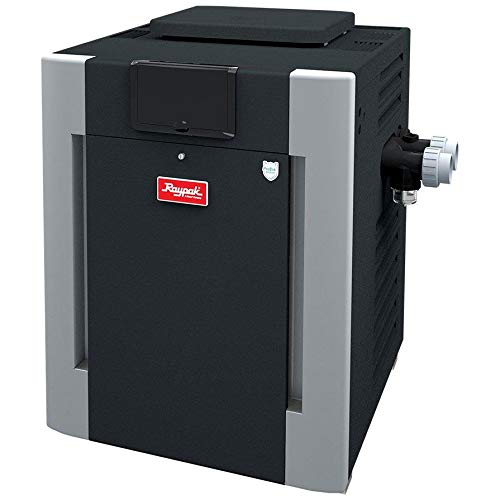
The Raypak 014951 is a high-capacity propane pool heater designed to deliver rapid warmth for large pools. Its cupro-nickel gas heater components are built to stand up to harsh water chemistry, while a Pagoda-style exterior helps the unit cope with weather exposure. A microprocessor-controlled thermostat allows precise temperature control and dependable operation. This model targets larger residential or resort-scale pools where consistent heat output is essential.
AQUASTRONG Inverter Heat Pump (35,000 BTU)

Although this unit is an electric heat pump, it is included for context as a heating option alongside propane models. It offers 35,000 BTU heating capacity for pools up to 9,000 gallons, with app control, remote scheduling, and a dual heating/cooling mode. Inverter technology increases efficiency and can yield energy savings compared to standard electric heaters, making it a practical alternative in milder climates or for energy-conscious households.
FibroPool FH135 Heat Pump

FibroPool’s FH135 electric heat pump is included as a non-propane reference point. It relies on ambient air to heat pool water and is suitable for many above-ground and in-ground pools up to a specific capacity. It emphasizes green operation and quiet performance, with titanium heat exchangers and high-efficiency compressors to reduce operating costs when compared with gas heaters in appropriate climates.
Hayward W3H150FDN Universal H-Series 150,000 BTU Natural Gas Heater

This Hayward model emphasizes durability with a robust cupro-nickel heat exchanger. Its hydraulic design minimizes pump run time, which translates to energy savings in many pool setups. The electronic panel is designed for intuitive operation, making it a practical choice for homeowners seeking reliable, long-term performance with flexible installation options.
Master Temp Gas Pool Heater, 250,000 BTU (Propane)

The Master Temp propane model delivers substantial heating capacity in a compact footprint. It features a rotating digital display for installation flexibility and straightforward monitoring. The unit uses pre-mixed gas combustion to ensure consistent performance and efficient fuel use, which helps control operating costs for larger pools or spa setups.
FibroPool FH270 Heat Pump

FibroPool’s FH270 is a larger electric heat pump option, designed for bigger pools up to 15,000 gallons. It emphasizes high efficiency through advanced compressors and titanium heat exchangers. Like other electric models, it avoids gas or propane entirely, appealing to users prioritizing energy independence or low emissions.
FibroPool FH285-I Full Inverter Heat Pump

The FH285-I represents next-generation inverter technology, enabling operation at lower ambient temperatures with reduced energy use. It is compatible with larger pool configurations (up to 17,500 gallons) and remains an all-electric option for households seeking to eliminate gas or propane entirely.
Hayward W3H135FDN H-Series 135k BTU Gas Heater

The W3H135FDN gas heater from Hayward combines durable construction with efficient heat-up and reliable performance. Its compact design and copper-nickel exchanger help resist corrosion and extend service life, making it suitable for households with variable water chemistry and climate demands.
Buying Guide: Key Purchase Considerations
Propane and natural gas pool heaters differ in fuel source, efficiency, and installation requirements. When evaluating options, consider the following:
- Pool size and heating needs: Larger pools require higher BTU units (200,000 BTU and above) to achieve quick and consistent warmth, especially in cooler climates.
- Fuel availability and cost: Propane availability varies by region. Natural gas may be more economical if your home already has a gas line near the pool area.
- Efficiency and running costs: Look for units with high-efficiency combustion and heat exchangers (cupro-nickel or titanium). Pre-mixed burners and modern controls improve fuel use and temperature stability.
- Climate considerations: Gas heaters perform well in cold and variable weather, while electric heat pumps excel in warmer climates and mild shoulder seasons.
- Maintenance and durability: Exchangers resistant to water chemistry and corrosion extend life. Consider units with clear service access and reputable warranties.
- Installation and space: Propane and natural gas heaters require venting and proper clearance. Ensure adequate outdoor space and clearance per manufacturer specs.
- Smart features and controls: App-enabled controls, programmable timers, and diagnostic lighting simplify operation and can reduce energy waste.
- Noise and aesthetics: Some models include compact housings or weather-resistant enclosures that minimize visual impact and noise.
In sum, propane heaters are powerful options for quick heating on large or irregularly heated pools, especially when gas is readily available. Electric heat pumps offer a quieter, more energy-efficient alternative in temperate climates, helping to extend pool seasons without propane use. A balanced evaluation of pool size, climate, and energy considerations will guide the best choice for your property.