
Growing pumpkins can boost autumn color, yield, and flavor in any American garden. This guide highlights five top pumpkin seed varieties—from small sugar pumpkins ideal for pies to giant carving pumpkins—that perform well in varied climates. Each section includes practical planting notes and the key features that influence growth, flavor, and appearance. Use this overview to pick seeds that align with your garden space, timing, and culinary plans.
| Product | Variety | Type | Notes |
|---|---|---|---|
| HOME GROWN 5 Pumpkin Seeds Mix | Mixed Heirloom | Decorative & Culinary | Non-GMO, open-pollinated, durable |
| Sow Right Seeds — Small Sugar Pumpkin | Small Sugar | Table/ pies | Fast-growing, versatile use |
| Sow Right Seeds — Big Max Pumpkin | Big Max | Carving & Display | Giant, striking pumpkins |
| Gardeners Basics — 5 Variety Pumpkin Seeds | Baby Boo, Giant Big Max, Jack Be Little, Jack O Lantern, Sugar Pie | Mixed decorative & culinary | Direct-sow friendly |
| Jack O’ Lantern — Survival Garden Seeds | Jack O’ Lantern | Carving & cooking | Classic Halloween pumpkin |
HOME GROWN 5 Pumpkin Seeds Mix

The HOME GROWN mix combines five decorative and culinary pumpkin varieties in a single packet. The seeds are described as heirloom, non-GMO, and open-pollinated, with a focus on flavor and nutrient value. The collection is noted for its resilience to heat and variable weather, offering a range of shapes, colors, and sizes to suit both garden display and kitchen use. This mix emphasizes nutrition, with mentions of carotene, minerals, and vitamins integral to a balanced harvest. It is suitable for gardeners seeking a versatile, multi-purpose pumpkin crop.
Planting guidance for this mix emphasizes open-pollinated, non-hybrid traits and a robust growth habit across differing conditions. Gardeners may enjoy pumpkins that are flavorful for cooking and attractive for seasonal décor. Expect a range of fruit shapes and rind textures, all contributing to a varied autumn display. As with most pumpkin seeds, adequate sun, well-drained soil, and steady moisture improve germination and fruit set. This option is appealing for those who want a ready-to-plant kit with diverse outcomes in a single package.
Sow Right Seeds — Small Sugar Pumpkin

The Small Sugar Pumpkin is a classic pie pumpkin with a sweet, fine-grained flesh. The seed packet is compact but complete, providing clear sowing instructions and a realistic yield expectation. Germination typically occurs within 6-12 days in warm soil, with full sun and spacing that supports a 10-18 inch tall plant with a 4-6 foot spread. Maturation usually completes in about 95-100 days, making it a reliable choice for fall harvests. Visual appeal also makes this variety a good decorative option alongside culinary uses.
This variety is praised for its versatility—from baking and pies to festive displays. It pairs well with early planting in regions with a longer growing season or a warm transition into autumn. Gardeners often appreciate the manageable size for smaller plots, while still delivering a substantial number of attractive, orange fruits. Standard care includes consistent watering and sun exposure to optimize yield and flavor.
Sow Right Seeds — Big Max Pumpkin
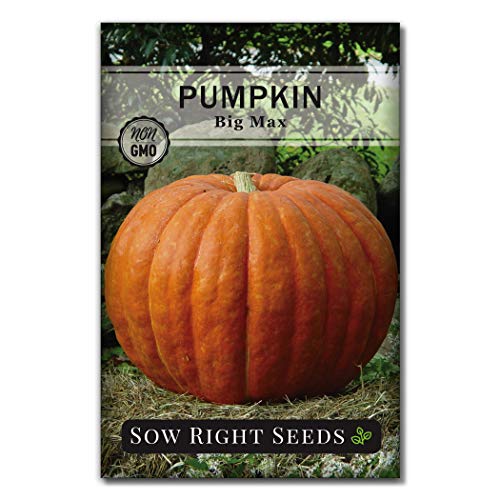
Big Max is a giant pumpkin variety ideal for carving or exhibition. Packaged as a full-color seed packet, it promises enormous fruit with the potential to reach 100 pounds or more under good conditions. Germination occurs in about 7-14 days when soil temperatures are favorable (70-90°F). Plants grow tall with substantial spreads and require generous space in full sun. Maturation occurs roughly 110-120 days after planting. This variety is known for its dramatic size, making it a centerpiece in autumn displays and competitive gardening.
Big Max pumpkins are noted for their firm, orange flesh suitable for pies and other culinary uses when harvested at mid-to-full maturity. Growers should provide ample irrigation during fruit development and support with trellising or wide-row spacing to maximize air circulation and prevent disease. The long fruit development time means planning for a late-summer planting window to ensure fruit maturity by fall harvest.
Gardeners Basics — 5 Variety Pumpkin Seeds
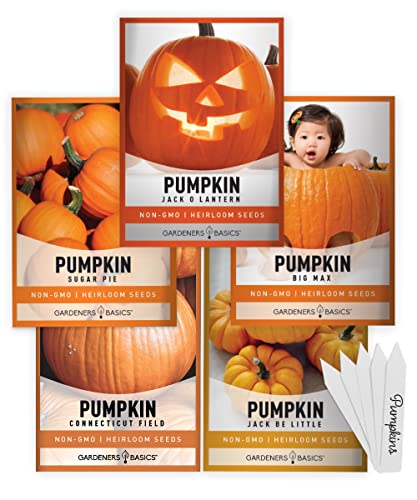
This collection groups five popular pumpkin types: Baby Boo, Sugar Pie, Jack O Lantern, Jack Be Little, and Giant Big Max. The mix is suited for outdoor garden beds and direct sowing, offering both decorative and culinary possibilities. The combination supports a range of garden aesthetics—from tiny, ornamental pumpkins to larger, carving-ready specimens. Gardeners Basics positions this assortment as a practical option for households seeking variety within a single planting season.
The included varieties feature differing growth habits, fruit sizes, and uses, enabling a flexible harvest window. Gardeners should consider spacing guidelines and soil conditions for each variety to optimize germination rates and fruit quality. This mix provides opportunities for children to observe pumpkin growth at multiple scales while delivering tasty additions to autumn recipes and décor.
Jack O’ Lantern Pumpkin Seeds

The Jack O’ Lantern variety is a Halloween classic, well-suited for carving and seasonal displays. Flowers and fruits typically thrive in full sun with consistent moisture, producing 18- to 24-pound pumpkins that are ideal for jack-o’-lanterns. Harvest is usually achievable in about 100 days, assuming steady warmth and regular watering. The pumpkins’ smooth, bright orange rind makes them visually appealing for front porch décor and festive fall arrangements, as well as for roasting and cooking when harvested earlier.
Growers should plan for ample space to accommodate the plant’s vining habit and fruit load. Ensuring even moisture and avoiding crowded planting will help promote uniform fruit size and reduce fruit rot. For best results, select a planting window that aligns with your local climate’s last frost date and the expected 100-day maturation period.
Buying Guide: Key Purchase Considerations For Pumpkin Seeds
- Seed type and maturity: Choose varieties based on intended use (decorative carving vs. culinary pies) and preferred maturation timeline (early, mid, or late season).
- Growth habit and space: Consider vining vs. bush-type growth and ensure adequate garden space or trellising options for large-fruit varieties.
- Climate compatibility: Match varieties to your USDA zone, sun exposure, and typical rainfall. Some varieties tolerate heat better, while others prefer cooler nights.
- Germination and care: Look for seeds with clear germination windows and soil temperature recommendations. Consistent watering and mulching help prevent fruit rot and promote even growth.
- Flavor and culinary use: If you plan to cook, prioritize varieties known for firm flesh and good sweetness. For décor, select colorful skins and distinctive shapes to enhance visual appeal.
- Disease resistance: Some seed lots mention disease-resistance traits or robust performance in adverse conditions; this can influence success in challenging gardens.
- Seed handling: Open-pollinated and non-GMO seeds offer predictable traits across generations, while hybrids may not breed true. Decide based on your long-term seed-saving goals.
- Storage and viability: Check seed packaging for viable shelf life and storage tips to maximize germination rates in subsequent seasons.