
Answering the needs of homeowners with sloped yards, this guide highlights top self-propelled mowers that perform well on hills. Designed for different terrains, these models help reduce fatigue and improve traction. Best suited for medium to large lawns with inclines, the picks here emphasize power, maneuverability, and 3‑in‑1 mowing versatility. The top products below cater to varied preferences—from gas to cordless electric—so you can choose according to engine type, weight, and maintenance expectations.
Overview of selected products (quick reference):
| Product | Best For | Power Type | Key Benefit |
|---|---|---|---|
| AMRISUN 21-Inch Self-Propelled Gas Lawn Mower | Large yards with hills | Gas | Strong 170cc engine; 3‑in‑1 mowing; high-wheel design for slopes |
| YARDMAX 22 in. 201cc CVT Mower | Steep inclines, variable pace | Gas | CVT speed control; traction tires; 3‑in‑1 options |
| STEELITE 20V Cordless Mower | Sloped yards with tight spaces | Cordless Electric | Lightweight; brushless motor; adjustable height |
| Greenworks 80V Self-Propelled Mower | Medium to large lawns, hills | Cordless Electric | High power, rear-drive self-propel, LED lights |
| PowerSmart 21″ 140cc Self-Propelled | Budget-conscious hillside mowing | Gas | 12‑position height; 3‑in‑1 versatility; steel deck |
AMRISUN 21-Inch Self-Propelled Gas Lawn Mower
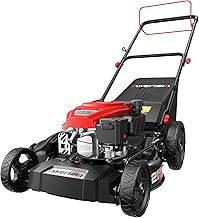
Brand: AMERISUN Store
Features: Powerful 170cc 4-stroke gas engine; 3‑in‑1 mowing (mulch, side discharge, rear bag); high-wheel self-propelled design with 10-inch rear wheels and 7-inch front wheels for navigating hills and uneven terrain.
Best for: Homeowners with medium to large yards that include inclines, slopes, and varied terrain. The engine size and large rear wheels make it easier to push and pull on hilly ground, while the 3‑in‑1 option provides flexible grass handling.
Why selected: The 170cc engine offers robust cutting power for dense grass on hills, and the high-wheel configuration improves traction on slopes. The 3‑in‑1 mowing options support different lawn care cycles without buying extra equipment.
Limitation: Gas-powered mowers require regular maintenance and fuel management; consider storage and emission considerations for longer mowing sessions.
YARDMAX 22 in. 201cc CVT Mower

Brand: YARDMAX Store
Features: Exclusive CVT (Continuously Variable Transmission) offers six speeds; aggressive traction tires; automatic choke to simplify starting.
Best for: Users who want precise control over mowing pace on hills, especially when walking speed varies or terrain changes. The CVT helps tailor traction during inclines.
Why selected: The combination of CVT and high-wheel traction is well-suited for hilly yards, delivering smoother operation and consistent cutting on slopes.
Limitation: CVT systems can require maintenance; ensure you follow manufacturer recommendations for belt and tension checks over time.
STEELITE 20V Cordless Mower

Brand: Steelite Store
Features: Ultra-lightweight at 20.5 lbs; 13-inch deck ideal for tight spaces; 5‑level height adjustment; brushless motor for torque and efficiency; mulching and bagging options.
Best for: Seniors or gardeners with small to mid-sized, sloped plots where portability and storage matter. The cordless design reduces fatigue on hills and stairs.
Why selected: Lightweight design and a compact deck help navigate slopes without excessive effort, while the brushless motor provides efficiency and cooler operation.
Limitation: Smaller deck size means more passes on larger lawns; ensure battery is sufficient for the yard size and terrain mix.
Greenworks 80V Self-Propelled Mower

Brand: Greenworks Store
Features: 80V battery-powered with 4.0Ah capacity; brushless motor; 21″ deck; rear-wheel-drive self-propelled system; LED lights for low-light mowing.
Best for: Users looking for a cordless option with strong traction on hills and the flexibility to mow during extended daylight or dusk hours with better visibility.
Why selected: The combination of rear-drive propulsion, long battery life, and a robust 21″ deck makes it a balanced choice for hilly yards that require steady traction and extended mowing windows.
Limitation: Battery performance can vary with temperature and grass density; plan for potential battery swaps or charging time during larger jobs.
PowerSmart 21″ 140cc Self-Propelled Mower
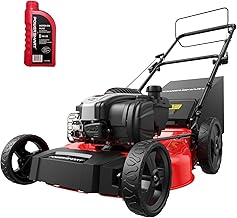
Brand: PowerSmart Store
Features: 140cc B&S engine; 6-height adjustments; 3‑in‑1 functionality (mulch, bag, rear discharge); steel deck for durability.
Best for: Budget-conscious buyers who want reliable performance on sloped terrain without sacrificing 3‑in‑1 versatility.
Why selected: The 6‑position height control supports precise cutting on varying slopes, and the steel deck ensures durability on uneven ground.
Limitation: Gas setups require occasional maintenance and checkups; ensure fuel and oil are managed responsibly for hillside mowing.
Buying Guide
What to consider when choosing a mower for hills
Power source matters on inclines. Gas engines typically offer more sustained torque for tough grasses on hills, while cordless models reduce noise and maintenance. For steep terrain, look for higher rear-wheel traction, larger rear wheels, and self-propelled systems that let you adjust pace to your walking speed.
Traction and wheel design
High-wheel configurations and aggressive tire patterns improve grip on slopes. Look for rear-wheel-drive propulsion, as it usually provides better traction on inclines compared with front-wheel-drive models.
Cutting width and deck durability
A wider deck covers more ground per pass, aiding efficiency on large hills. Steel decks are sturdier for uneven terrain, while reinforced plastics save weight but may wear with heavy use.
Power versatility and 3‑in‑1 options
Mulching, bagging, and rear-discharge options help adapt to seasonal grass conditions and weather. On hills, bagging helps manage clippings on steep slopes where mulching might be less effective due to blade performance.
Weight and portability
Heavier mowers can be harder to control on slopes, especially for beginners. Lighter, cordless models can reduce fatigue, but ensure the battery life matches your yard size.
Maintenance and long-term costs
Gas mowers require more ongoing maintenance (oil, spark plugs, filters). Cordless mowers depend on battery health and charger efficiency. Plan for potential parts replacement and seasonal servicing to keep performance consistent on hills.
Safety considerations for hilly terrain
Ensure proper blade height and avoid mowing on overly steep slopes. Always read the user manual for slope guidelines and use a slow, controlled pace to maintain balance and avoid blade contact with hidden obstacles.
FAQ
- What makes a self-propelled mower better for hills? Self-propelled mowers reduce downward effort on angles by driving the wheels, providing traction and consistent cutting pace on slopes.
- Is a gas mower preferable to cordless for hilly terrain? Gas mowers generally offer more sustained torque for thick grass on inclines, but cordless models provide quieter operation and easier handling for smaller hills or tight spaces.
- Should I prefer rear-wheel-drive over front-wheel-drive on hills? Yes. Rear-wheel-drive typically delivers better traction and stability on slopes, reducing wheel spin and blade clogging on steep sections.
- What maintenance should I perform for hill mowing? Regularly service the drivetrain, inspect tires for wear, clean air filters, and follow fuel or battery maintenance guidelines to preserve performance on inclines.
- How do 3‑in‑1 options help with hillside mowing? Mulching returns nutrients to the soil; bagging handles clippings for steep terrain; rear discharge can be useful on larger slopes where bagging is impractical.
- Can I mow very steep slopes with any mower? Not safely. Always follow manufacturer slope guidelines and avoid mowing on slopes beyond the recommended angle to prevent loss of control or blade contact.