
Discover small to medium shade trees that brighten your yard while keeping mature growth manageable. This guide highlights five strong options—from fast-growing choices to hardy deciduous varieties—designed to provide cooling shade, seasonal color, and sustainable landscape value. Each pick includes key features to help you compare at a glance and decide what fits your climate and space best.
| Product | Brand | Key Benefit |
|---|---|---|
| Planting the Dry Shade Garden | Timber Press | Plan and select best drought-tolerant shade plants |
| American Sycamore Tree | Generic | Large shade with dramatic fall color |
| American Red Maple Shade Tree | DAS Farms | Vibrant fall color and reliable shade |
| Globe Willow | GREENGROVE | Fast-growing shade with unique globe form |
| Weeping Willow | TriStar Plants | Graceful, cascading silhouette and strong shade |
Choosing the right shade tree involves climate compatibility, growth rate, mature size, root behavior, and seasonal interest. The following selections balance quick shade with manageable size, while offering resilience across varied American landscapes. Each entry includes practical considerations to help you decide which fits your yard best.
Best Comprehensive Guide for Dry Shade Gardens

“Planting the Dry Shade Garden: The Best Plants for the Toughest Spot in Your Garden” offers practical strategies for selecting and placing plants in low-water, low-fire risk zones. It’s a valuable reference for homeowners who want to optimize shade without overextending irrigation. The book emphasizes plant compatibility with dry shade conditions, helping you plan a resilient, low-maintenance landscape that still delivers visual appeal throughout the seasons.
American Sycamore Tree — Large Shade, Fast-Growing
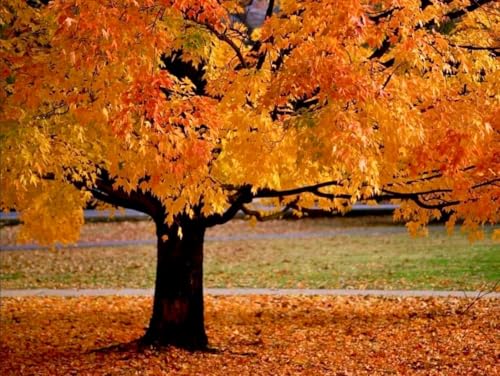
The American Sycamore is a robust shade tree known for its broad canopy and rapid growth when provided with full sun and adequate space. Starting from a compact 8–16 inch height in a quart pot, it can quickly establish vigor, delivering generous shade across your yard as it matures. Its large, maple-like leaves turn a golden-yellow in autumn, adding seasonal dimension to your landscape while offering cooling shade during hot months.
American Red Maple — Classic Shade and Color
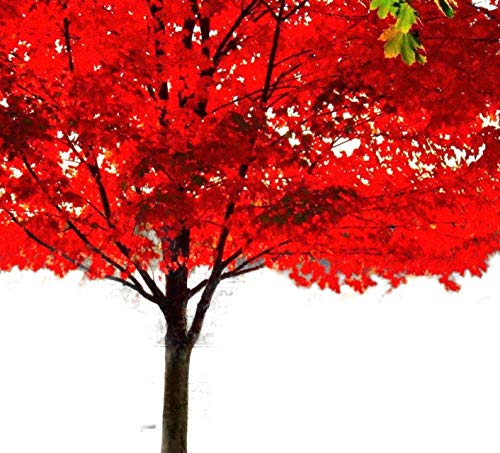
The American Red Maple is a dependable deciduous option, shipped as a live plant suited to zones 3 through 9 with full sun. Expect strong summer shade as the tree develops, with striking fall color that ranges from orange to red. California restrictions apply to some shipments, so verify availability for your location. The tree is designed to establish after planting, growing into a substantial shade contributor without excessive maintenance needs.
Globe Willow — Fast-Growing, Drought-Tolerant Shade

The Globe Willow is a drought-tolerant, fast-growing deciduous tree known for its distinctive globe or umbrella-shaped canopy. Growing up to 70 feet tall with a growth rate around 3 feet per year, it provides rapid shade and a dramatic focal point in any landscape. Its light-green leaves and seasonal color changes add visual interest while contributing a cooler microclimate under the canopy.
Weeping Willow — Elegant Shade with Graceful Form
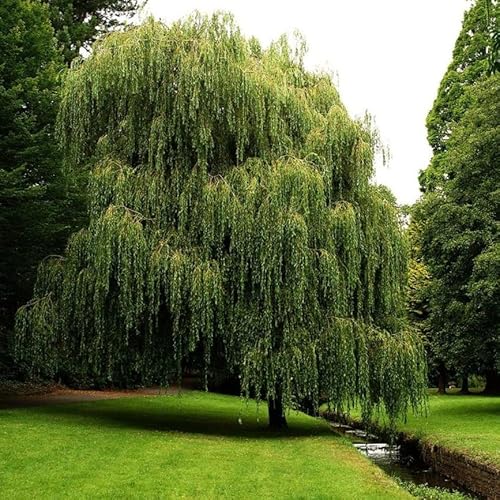
The Weeping Willow offers a distinct, graceful silhouette and abundant shade. This fast-growing tree is sold as a one-gallon potted plant, suited for hardiness zones 6–8 with full sun to partial shade. Its cascading branches create a serene, cooling canopy that works well near water features or lawn edges. It is a practical option for homeowners seeking instant shade with a dramatic, decorative presence.
Buying Guide: Key Purchase Considerations
When selecting shade trees for small spaces or shaded areas, consider the following to ensure a durable, well-adapted landscape:
- Climate and hardiness: Match the tree to your USDA zone and summer heat tolerance. Some varieties may require protection or relocation in extreme conditions.
- Sun exposure and moisture: Determine whether the site is full sun, partial shade, or dry shade. Choose species that tolerate the specific moisture regime and soil type.
- Mature size and space: Assess the tree’s eventual height and spread to avoid interference with structures, power lines, and sidewalks.
- Root behavior: Consider shallow vs. deep root systems, potential for sidewalk uplift, and compatibility with nearby foundations or utilities.
- Seasonal interest: Look for foliage color, autumn hues, or flowering that enhances year-round enjoyment without sacrificing shade quality.
- Maintenance and resilience: Evaluate pruning needs, disease resistance, and drought tolerance to minimize ongoing work and ensure longevity.
- Native vs. non-native: Native species often support local wildlife and ecosystem balance, though well-adapted non-natives can offer unique aesthetics and rapid shade.
Optimizing shade in a small yard often means balancing fast canopy development with size control. The selections above provide options across different growth rates, leaf colors, and form—from the broad, cooling shade of the sycamore and maple to the elegant draping habit of the willow. For dry shade situations and low-water landscapes, the guidebook and drought-tolerant choices can help you craft a sustainable, enjoyable outdoor space without overreliance on irrigation.