
Bonsai care hinges on the soil mix. The right blend promotes drainage, aeration, and steady nutrient delivery without waterlogging tiny roots. Below, you’ll find five top-rated bonsai soil options that suit a range of species and indoor environments. Each section highlights key features, root health benefits, and practical usage notes to help you compare at a glance.
Summary of selected products:
| Product | Brand | Type | Highlights | Link |
|---|---|---|---|---|
| Bonsai Soil by Perfect Plants | PERFECT PLANTS | All-Purpose Mix | Multi-purpose organic blend; excellent water management; USA-made | Amazon |
| Premium Bonsai Soil Mix for Thriving Indoor Bonsai Trees | Agra Life | Indoor potting mix | Optimal drainage and aeration; organic ingredients | Amazon |
| Bonsai Soil All Purpose Mix | JK Global Imports | Pre-mix Bonsai soil | Fast-draining; USA-sourced aggregates | Amazon |
| The Soil Sage 5qts/5l Premium Bonsai Mix | The Soil Sage | Akadama-based mix | High drainage; air circulation; American-made | Amazon |
| Bonsai Soil Premium All Purpose Blend | Leaves and Soul | All-purpose ready-to-use mix | Premixed blend; great drainage and fertilizer absorption | Amazon |
Bonsai Soil By Perfect Plants

This all-purpose mix targets long-term nourishment while delivering reliable drainage. The blend focuses on essential nutrients to sustain bonsai life across species, including conifers. It is crafted in the USA by Perfect Plants, aiming to support various bonsai varieties with consistent performance. Users report good water management that helps prevent root rot and overwatering. For junipers, pines, and redwoods, this soil can simplify routine care while maintaining root health over multiple repot cycles.
Premium Bonsai Soil Mix For Indoor Bonsai Trees

Agra Life’s premium mix emphasizes drainage and aeration while maintaining a nutrient-balanced environment. The ingredients are organic, and the blend is versatile for all bonsai varieties, from juniper to ficus. Practically, it supports robust root systems without compacting soil. This makes it suitable for indoor bonsai setups where consistent moisture control is essential. It’s a solid choice when you want an organic option that still performs well in a home climate with variable humidity.
Bonsai Soil All Purpose Mix
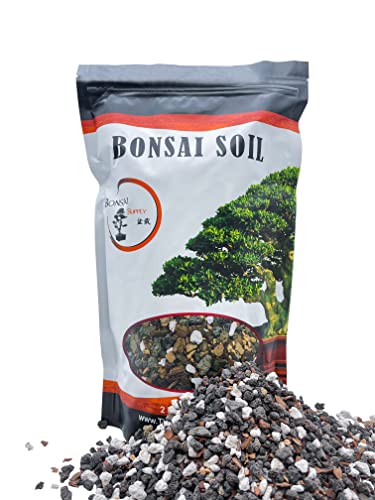
JK Global Imports offers a ready-to-use, pre-mixed bonsai soil designed for fast drainage. It emphasizes an optimal balance of drainage, pH, water retention, and aeration to support a healthy root environment. The mix is suitable for a range of bonsai types and container plants, and aggregates are sourced in the USA. This option reduces prep time and helps gardeners maintain consistent soil structure through repotting cycles.
The Soil Sage Premium Bonsai Mix

Made in the USA, this premium mix blends akadama, pumice, lava rock, and pine bark fines to provide an ideal environment for root development and high drainage. The combination supports air exchange around roots and reduces compaction, helping prescient watering strategies. It’s well-suited for multiple bonsai species and can help with longer repot intervals by maintaining consistent soil structure and moisture balance.
Bonsai Soil Premium All Purpose Blend

Leaves and Soul presents a large-batch, ready-to-use bonsai soil that combines red lava rock, limestone, pearock, calcined clay, and pinebark. The mix emphasizes drainage and air spaces to support root growth and efficient fertilizer uptake. It’s designed to accommodate a broad range of bonsai varieties and is marketed as a versatile option for both beginners and experienced growers who want dependable potting medium with strong drainage characteristics.
Buying Guide: Key Purchase Considerations
Soil choice depends on species, climate, and container size. Consider the following factors when comparing bonsai soils:
- Drainage vs. moisture retention: Fast-draining blends reduce root rot risk but must hold enough moisture for daily needs. Look for components like lava rock, akadama, pumice, and pine bark fines that balance air spaces with moisture.
- Ingredient quality and sourcing: USA-made or locally sourced blends can support consistent texture and nutrient delivery. Organic vs. non-organic mixes may affect fertilizer compatibility and odor.
- pH compatibility: Bonsai trees span varied species with different pH preferences. A well-balanced mix often accommodates a wider range of trees without frequent amendments.
- Species considerations: Junipers and pines typically prefer well-draining mixes, while Ficus may tolerate slightly richer substrates. Some mixes are marketed as universal, but species-specific needs still apply.
- Pre-mixed convenience vs. customization: Pre-mixed blends save prep time but give less control over proportions for specialized needs. DIY enthusiasts can tailor components for precise outcomes.
- Container size and repot frequency: Smaller pots require more frequent repotting and careful moisture management; larger pots may benefit from higher drainage to prevent saturation hotspots.
- Maintenance and replenishment: Some mixes require less maintenance because of balanced nutrients; others might need periodic top-dressing or re-mixing to maintain structure.
- Safety and cleanliness: Ensure mixes are free from contaminants and labeled for indoor use if you’re growing bonsai inside living spaces.
Compared Perspectives
For beginners, ready-to-use blends reduce guesswork and provide reliable drainage. Experienced bonsai artists might prefer customizable mixes, layering components to adjust aeration, drainage, and nutrient delivery for different species and growth stages. If you value sustainability, favor blends with organic ingredients and USA-based production. Gardens with dense indoor air may benefit from lighter mixes that resist compaction, while outdoor setups might tolerate more mineral content for robust root systems. Finally, consider your watering schedule and climate—drier environments reward higher porosity, whereas humid settings can tolerate mildly denser mixes without sacrificing root health.