
Camellias crave soil that stays consistently moist, well-drained, and slightly acidic. The right potting mix or soil amendment helps establish vibrant blooms and robust root systems while preventing common issues like root rot or nutrient lockout. The following selections are designed to support Camellia performance in containers, shade gardens, or outdoor beds. Each option balances moisture retention with aeration and includes ingredients that Camellias prefer. Use this guide to compare top picks and find the best fit for your Camellia varieties and growing space.
| Product | Brand | Key Benefit |
|---|---|---|
| Gardenera Premium Balsam Camellia Potting Soil Mix | Gardenera | Premium nutrients, good drainage, natural worm castings |
| Espoma Organic Soil Acidifier | Espoma | Lowers pH for acidic-loving plants |
| FoxFarm Ocean Forest Potting Soil | FoxFarm | Light, aerated, moisture-retentive blend |
| Miracle-Gro Organic Outdoor Potting Mix | Miracle-Gro | Organic and OMRI-listed with quick-release fertilizer |
| Miracle-Gro Organic Indoor Potting Mix | Miracle-Gro | Moisture balance for indoor Camellias and houseplants |
Gardenera Premium Balsam Camellia Potting Soil Mix
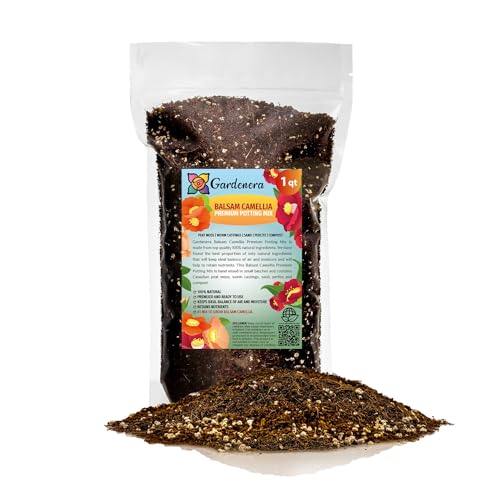
Gardenera’s Premium Balsam Camellia Potting Mix targets Camellia-specific needs by combining moisture retention with adequate aeration. The blend emphasizes peat moss for water-holding capacity and worm castings for a natural nutrient boost, helping Camellias establish strong roots and produce vibrant blooms. The mix is designed for both indoor container use and outdoor planters, making it versatile for varied spaces. While it delivers essential nutrients and improved texture, growers should monitor soil pH and adjust with acidifying amendments if growth appears stressed by alkalinity.
Espoma Organic Soil Acidifier

Camellias love acidic soils, and Espoma’s Organic Soil Acidifier is a straightforward way to lower pH gradually. This amendment is ideal when your landscape or container mix tests higher pH, potentially inhibiting nutrient uptake. The elemental sulfur and gypsum formulation works with established plantings and can be applied over time to maintain ideal acidity. It is not a complete soil substitute; pair it with a Camellia-appropriate potting mix or garden soil for best results, especially in containers where pH can drift with irrigation and fertilizer inputs.
FoxFarm Ocean Forest Potting Soil

FoxFarm Ocean Forest is a lightweight, aerated mix that blends aged forest products with composted materials and peat moss to retain moisture near roots while promoting drainage. The texture supports container-grown Camellias and other ornamentals, reducing the risk of soggy roots in pots. Its slightly acidic tendencies help Camellias thrive if your irrigation or local soil trends toward neutrality. For heavy feeders or larger plants, consider supplementing with a balanced slow-release fertilizer to sustain bloom cycles over the season.
Miracle-Gro Organic Outdoor Potting Mix

This outdoor potting mix from Miracle-Gro combines responsibly sourced peat and quick-release natural fertilizer to feed plants for up to two months. It’s a versatile option for Camellias planted in containers or garden beds where soil pH is compatible with their needs. The organic formulation helps with moisture balance and soil structure, though Camellias may require occasional pH adjustments if the base soil is not acidic enough. Pair with an acidifying amendment if blooms appear pale or leaves show signs of nutrient deficiency due to pH constraints.
Miracle-Gro Organic Indoor Potting Mix

Designed for indoor container plants, this Miracle-Gro mix supports Camellias kept inside or in shaded spaces by balancing moisture retention with drainage. The blend includes sphagnum peat, coir, and a quick-start fertilizer to foster steady growth and ornamentally rich blooms. It is well-suited for smaller Camellia cultivars or houseplants, but indoor conditions should still mimic mildly acidic, consistently moist environments. Regularly monitor moisture and consider a pH test to ensure optimal nutrient availability for flowering shrubs in pots.
Buying Guide: Key Purchase Considerations And Comparisons
When selecting the best soil or mix for Camellias, consider these factors to ensure robust growth and vibrant blooms:
- Soil pH: Camellias prefer acidic to slightly acidic soil (generally pH 5.0–6.5). Use soil acidifiers to adjust pH if your base mix tests high. For container plants, monitor irrigation water pH as well, since it can influence root availability of nutrients.
- Drainage and aeration: Perfect Camellia mixes strike a balance between moisture retention and drainage. Look for blends with peat-based components and perlite or worm castings to promote air-filled root zones.
- Nutrient profile: Some potting soils include slow-release fertilizers. If not, plan to feed with a Camellia-safe fertilizer according to label directions to support ongoing bloom production.
- Moisture management: Avoid heavy, compacted soils that stay soggy. Choose lighter, looser textures for container culture to prevent root rot and fungal issues.
- Material origin: Organic and OMRI-listed options are preferred for organic setups and sensitive indoor spaces. Verify ingredient lists for peat, compost, and other components that suit your growing style.
- Container considerations: In pots, depth and width affect root growth. A mix that drains well but retains enough moisture is ideal for seasonal bloom cycles.
- Occasional amendments: Use Acidifying agents or pH-appropriate fertilizers sparingly. Regular soil tests help catch pH drift before it impacts flower production.
- Environment: Indoor Camellias may require more precise moisture and light management. Outdoor setups benefit from protective mulching and routine feeding aligned with seasonal growth.