
Carnivorous plants thrive in nutrient-poor, moisture-retentive soil that mimics boggy habitats. The right soil mix supports moisture balance, drainage, and aeration while preventing mineral buildup that can harm sensitive roots. This guide highlights five top soil blends designed for Venus Flytraps, pitcher plants, sundews, and related species. Each option emphasizes natural ingredients, proper pH, and reliable water retention. Use this overview to compare blends based on composition, moisture management, and ease of use to keep your carnivorous garden healthy and vibrant.
Summary of selected products:
- Perfect Plants Carnivorous Plant Soil — 4 Qts Organic Premium Mix
- Organic Earth Carnivorous Plant Soil Mix — 1 Qt
- Duspro Carnivorous Plant Soil Mix — 1.5 Qt
- Carnivorous Plant Soil Mix — 1 Quart Bag, Premium Blend
- Gardenera Professional Carnivorous Plant Soil — 1 Quart Bag
Product Overview And Buying Rationale
The following selections cover a range of textures, moisture retention, and aeration, all tuned for carnivorous species. They share a common emphasis on natural ingredients, low nutrient levels, and careful particle size to prevent compacting. Some blends combine moss, peat, perlite, and coco coir for tailored drainage, while others emphasize sphagnum moss and natural debris to mimic bog soil. Review the features and delivery formats to choose a mix that fits your plant collection and your potting routine.
Perfect Plants Carnivorous Plant Soil — 4 Qts
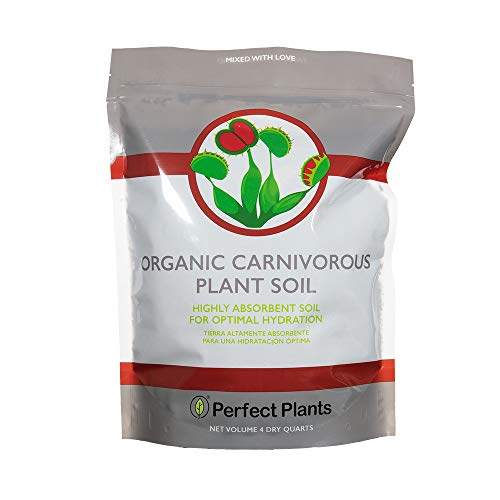
The Perfect Plants blend emphasizes an ideal acidity level for lasting plant health and moisture control. This organic mix is designed to maintain consistent long-term enrichment without adding harsh nutrients that could upset bog-like conditions. It is especially suitable for Venus Fly Traps, pitcher plants, sundews, and bladderworts, offering a reliable medium that supports diverse carnivorous types. The product is produced in the USA by growers dedicated to carnivorous plant care.
Key points:
– Organic blend with stable acidity
– Strong water management to hold moisture
– Broad compatibility with common carnivorous species
– US-based production for quality consistency
Kapecute Carnivorous Plant Soil Mix — 2 Qts

The Kapecute mix uses crushed peat moss and perlite, with sphagnum moss debris, designed to balance moisture retention and drainage. The packaging highlights a compact 2-quart size that is easy to handle for repotting. The blend aims to support root growth with well-aerated, natural materials that are free of chemical additives. Its selection process emphasizes cleaning and dust-free components to protect sensitive carnivorous roots.
Highlights:
– Natural, additive-free composition
– Enhanced drainage from perlite and aeration from peat moss
– Hand-selected moss debris for purity
– Portable mini-package for small repots
Carnivorous Plant Potting Soil Mix — 2 Quarts

Soil Sunrise offers a jungle-friendly, hand-blended mix that combines natural components for robust drainage and moisture control. This blend is marketed as suitable for repotting a wide range of carnivorous species, including Venus Fly Traps, sundews, cobra lilies, and pitcher plants. The formula emphasizes quick drainage and aeration, helping to prevent root rot while maintaining the low-nutrient environment favored by these plants.
Advantages:
– All-natural, no artificial ingredients
– Quick drainage and good aeration
– Versatile for indoor or outdoor container gardening
– Specifically marketed for carnivorous varieties
Organic Earth Carnivorous Plant Soil Mix — 1 Qt

Organic Earth emphasizes a 1:1 balance of premium perlite and Canadian sphagnum moss to maintain both moisture and aeration. The mix is designed to hydrate carnivorous plants while preserving a low-nutrient environment, and includes step-by-step directions for planting and repotting. The instruction set notes using distilled or rainwater to prevent mineral buildup, a key consideration for many carnivores.
Strengths:
– Balanced peat, perlite, and sphagnum moss
– Clear planting and repotting guidelines
– Encourages hydration without over-fertilizing
– Recommendations for appropriate water types
DUSPRO Carnivorous Plant Soil Mix — 1.5 Qt
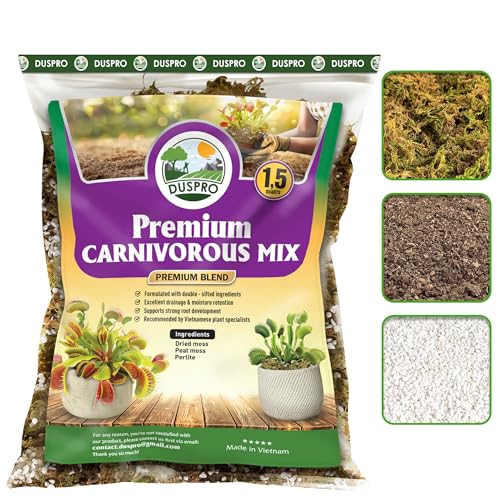
Duspro presents a premium mix designed to supply the ideal moss, perlite, and peat moss ratio in a 1.5-quart volume. It targets strong moisture retention and drainage without introducing nutrients that could harm carnivorous plants. The package notes that moss is hand-selected from natural forests, with perlite selected to reduce dust and ensure a clean mix. The blend is compatible with a variety of carnivorous species and emphasizes rainwater use to maintain plant health.
Key takeaways:
– Premium, moss-perlite-peat ratio
– Hand-selected moss components
– Moisture retention with good drainage
– No added nutrients; best with rainwater or distilled water
Carnivorous Plant Soil Mix — 1 Quart Bag

Generic’s blend is a ready-to-use, all-natural mix featuring sphagnum peat moss and horticultural perlite. The formulation is designed to retain moisture while providing ample drainage, and avoids artificial additives. The airy, soft texture supports healthy root development and reduces compaction risk, aligning with the needs of most carnivorous species. The resealable bag format adds convenience for storage between uses.
Highlights:
– All-natural, additive-free ingredients
– Moisture retention with effective drainage
– Soft, airy texture supports roots
– Resealable bag for freshness
Gardenera Professional Carnivorous Plant Soil — 1 Qt

Gardenera’s ready-to-use blend emphasizes support for all carnivorous varieties, including Venus Flytraps, sundews, pitcher plants, and butterworts. It features peat moss, coco coir, and perlite to balance drainage, aeration, and moisture retention. The premixed soil aims to maximize root health and optimize nutrient uptake, helping plants thrive in controlled environments, while reducing the risk of over-watering through improved drainage dynamics.
Important points:
– Premixed, ready-to-use soil
– Suitable for multiple carnivorous species
– Balanced peat, coco coir, and perlite for drainage and aeration
– Designed to maximize root health
Buying Guide: Key Purchase Considerations
- Plant type compatibility: Venus Flytraps, sundews, pitcher plants, and others have slightly different moisture and acidity needs. Choose a blend that notes universal compatibility or specifically mentions your species.
- Moisture management: Look for blends that balance moisture retention with drainage. Overly damp soil can promote root rot; overly dry soil can stunt growth.
- Ingredient purity: Favor blends with natural ingredients (peat moss, sphagnum, perlite, moss debris) and minimal additives to maintain a low-nutrient environment.
- pH and acidity: Carnivorous plants generally prefer acidic to neutral ranges. A mix that emphasizes stable acidity helps long-term plant health.
- Water guidance: Some products suggest rainwater or distilled water to avoid mineral build-up; this practice can significantly affect plant vitality over time.
- Container and potting volume: Consider the pot size and how much soil you need for repotting. Small bags are convenient for occasional care, while larger bags suit growing collections.
- Ease of use: Ready-to-use blends save time and reduce the guesswork involved in mixing components yourself. If you enjoy customizing soil, a base mix with optional components can be preferable.
Perspective comparisons:
– Organic, premium blends versus mixed natural components: Organic blends tend to emphasize long-term stability and moisture control, while mixes with moss debris may more closely mimic bog conditions but can require careful watering management.
Maintenance considerations:
– Re-potting frequency depends on plant growth and container size; use fresh soil during re-potting to maintain a low-nutrient environment.
– Use appropriate watering practices (rainwater or distilled water) to avoid mineral buildup that can harm sensitive roots over time.
– Observe signs of stress, such as slower growth or leaf discoloration, which may indicate moisture or pH imbalances requiring soil refreshment.