
Clematis in pots needs a soil mix that balances moisture, drainage, and nutrients to support vigorous flowering without soggy roots. The following selections prioritize peat-free or organic blends, good drainage, and pH considerations that suit clematis varieties. Each option below highlights why it can work for container-grown clematis and how to use it for best results.
| Product | Brand | Type | Key Benefit |
|---|---|---|---|
| Back to the Roots 100% Organic Potting Mix (12 Quart) | Back to the Roots | Organic Potting Mix | Peat-free with moisture control and pH balance |
| Rosy Soil Indoor Potting Soil (4 qt) | Rosy Soil | Indoor Potting Mix | Biochar-enriched for robust root systems and microbial activity |
| Perfect Plants Organic Snake Plant Soil (8 qt) | PERFECT PLANTS | Coir-based Potting Mix | Excellent drainage and moisture management |
| DUSPRO Recycle Pre-Mixed House Plant Soil (2 qt) | Duspro | 7-in-1 Indoor Potting Mix | Balanced blend for aeration and moisture control |
| Miracle-Gro Seed Starting Potting Mix (8 qt, Pack of 2) | Miracle-Gro | Seed Starting Potting Mix | Fast root development and enriched feeding |
These options cover peat-free choices, enhanced drainage, and soil life benefits. When selecting a potting mix for clematis in containers, look for components such as coco coir or pine bark for structure, some organic matter for nutrition, and amendments like limestone or pH-balancing additives to maintain the slightly acidic to neutral range clematis prefers. The following product sections dive into each blend, how it supports clematis in pots, and practical usage tips.
Back to the Roots 100% Organic Potting Mix
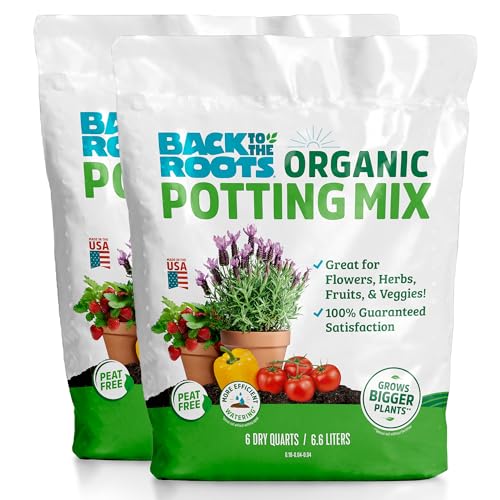
Back to the Roots 100% Organic Potting Mix is peat-free, using upcycled plant matter and wood fines across the United States. This blend avoids imported peat, aligning with eco-minded gardening while reducing carbon footprint. It is versatile for herbs, vegetables, fruits, and flowers, making it a solid base for a potted clematis that requires good drainage and steady moisture without becoming waterlogged. The mix includes yucca extract for moisture control and dolomitic limestone to help balance pH, a helpful feature for clematis that benefits from consistent moisture with a slightly acidic environment. For container clematis, ensure the pot has drainage holes and consider topping with a thin layer of mulch to regulate surface moisture and temperature.
Miracle-Gro Seed Starting Potting Mix

Although marketed for seed starting, this Miracle-Gro mix is enriched with plant food and formulated to support fast root development in containers. For clematis, using a seed-starting or fine-textured mix during initial planting can promote strong root establishment, especially for young plants or cuttings. Combine with a top-dressing of nutrient-rich compost or slow-release fertilizer after a few weeks, following label guidelines. This option is best used when you’re aiming for quick root penetration and a proliferating root system, but monitor moisture closely to prevent dampness at the pot bottom.
Rosy Soil Indoor Potting Soil
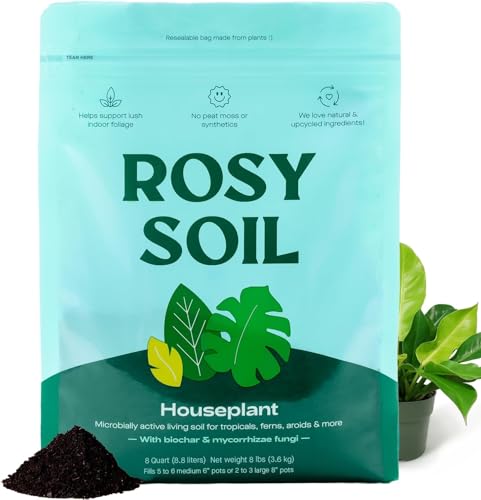
Rosy Soil’s indoor potting mix is designed to support a thriving houseplant environment with biochar and pine bark fines. The biochar aids in moisture retention and microbial activity, while the pine bark provides aeration and structure that helps prevent compacted soil. This combination supports healthy root systems—an important factor for clematis in pots, which appreciate well-aerated roots and consistent moisture. The formula is peat-free and suitable for a wide range of houseplants, making it a practical choice for container gardens where you want ongoing growth without root suffocation. Use in deep pots to accommodate clematis vines as they grow and twine upward, ensuring drainage holes remain clear.
Perfect Plants Organic Snake Plant Soil

This coir-based mix is designed for excellent drainage and moisture management, making it suitable for clematis that prefer a well-drained root environment. While it’s marketed toward snake plants, the mix’s strong drainage and airy texture can help prevent soggy conditions that cause root rot in container clematis. Coir helps retain some moisture without becoming waterlogged, and the blend typically includes other components like pine bark or perlite. For clematis, use in a deep container with a stable trellis and ensure you water thoroughly but allow the topsoil to dry slightly between waterings. Avoid overwatering during cool, cloudy periods when the plant’s growth slows.
DUSPRO Recycle 7-in-1 Indoor Potting Mix

DUSPRO’s 7-in-1 blend combines coco coir, peat moss, perlite, pumice, worm castings, pine bark, and gypsum. This formula emphasizes moisture balance and aeration, critical for clematis roots in pots. It’s hand-crafted for consistency and is available in multiple sizes, which is convenient for larger containers or future replanting. For clematis, consider adding some compost or a slow-release fertilizer at planting, especially if your container soil lacks a long-term feeding source. This mix supports robust root growth while maintaining good drainage to prevent waterlogged conditions during hot spells.
Monstera Houseplant Potting Soil Mix (4 Quarts)

Though designed for Monstera, this tropical plant mix offers a versatile blend that can support clematis when used carefully. It emphasizes natural ingredients and a balanced nutrient profile to encourage healthy root systems and foliage. Use it sparingly or mix with additional perlite or sand to increase drainage if you’re planting clematis in pots. As with all container plantings, ensure containers are well-draining and sized to accommodate the clematis’ root system as it expands. Keep an eye on moisture levels, adjusting watering based on weather and pot size.
Buying Guide: Key Considerations For Clematis In Pots
- Drainage and aeration: Clematis thrives in well-drained soils. Mixes with perlite, pumice, pine bark, or coco coir generally provide better drainage than dense soils.
- Moisture balance: The goal is to keep the roots evenly moist without staying soggy. Look for blends that offer moisture control additives (like yucca extract or biochar) or structure that promotes air pockets in the root zone.
- pH considerations: Clematis prefers slightly acidic to neutral soil. If your chosen mix contains limestone or lime, monitor pH and adjust with peat-based amendments or sulfur sources as needed.
- Nutrient provision: Use a mix with slow-release fertilizer or plan to feed after a few weeks of establishment, especially for vigorous climbers. Avoid heavy fertilizers that can burn roots in pots.
- Container size and growth habit: Choose a larger pot to accommodate roots and provide a sturdy trellis or support. Re-pot every 2–3 years or refresh the topsoil to maintain vitality.
- Peat-free preference: Many gardeners prefer peat-free blends for environmental reasons. Peat-free options often rely on coconut coir, pine bark, and composted materials that still provide strong drainage and moisture retention.
- Organic vs synthetic additives: If you prefer organic gardening, select blends labeled organic or with natural ingredients. For quicker results, some gardeners opt for nutrient-enriched mixes but should adjust watering to prevent over-fertilization.
When selecting a potting mix for clematis in pots, consider your climate, pot size, and how you plan to water. For pots in hot regions, a mix with better drainage and moisture retention is beneficial, whereas cooler climates may benefit from blends that retain more moisture while still draining effectively. Beginning with a peat-free mix helps with sustainability, and supplementing with compost, worm castings, or a targeted liquid fertilizer can support strong flowering cycles. The goal is a balanced, well-structured soil that supports robust root growth and reliable moisture management for clematis in containers.